
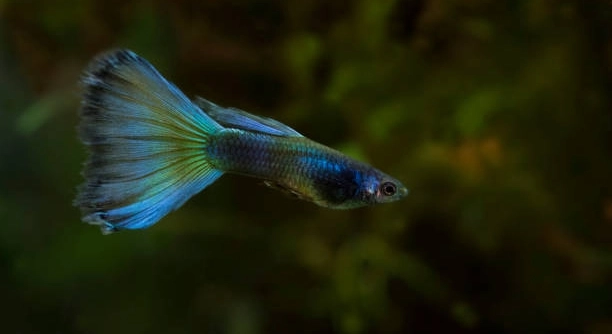
Is your guppy flaring its fins and darting around during meals, making feeding time more stressful than enjoyable to watch?
Guppy aggression at feeding time is often caused by competition for food, overcrowding, irregular feeding routines, poor tank conditions, or underlying health issues. Territorial behavior or mismatched tank mates may also contribute to this behavior.
Recognizing these possible causes can help improve your guppy’s environment and create a calmer, healthier feeding experience for your entire tank.
Competition for Food
Guppies are fast and eager eaters, and when food is limited or scattered unevenly, aggressive behavior can show up quickly. In a tank with multiple fish, some guppies may try to dominate feeding time by chasing or nipping at others. This behavior usually stems from a natural instinct to secure enough food for survival. It becomes more noticeable when food is given in small portions or when stronger fish outcompete the weaker ones. Over time, this can stress out the entire group and lead to poor health. Using multiple feeding spots or spreading out the food can help reduce this competition and allow more timid guppies to eat without fear.
Aggression during feeding is more common in crowded tanks with too few hiding spots or feeding areas.
Providing food in smaller, more frequent feedings and ensuring even distribution can help limit pushy behavior and keep the environment calmer for all your guppies.
Tank Size and Overcrowding
Overcrowded tanks are one of the most common causes of stress and aggression during feeding time.
Guppies need space to swim freely and comfortably. A small tank limits movement, increases tension, and makes it harder for fish to avoid each other during feeding. When space is tight, dominant guppies may lash out at others while trying to secure their share. This often leads to nipped fins, chasing, and an overall stressed group. Keeping the tank population balanced and adding more space if needed can make a significant difference. A 10-gallon tank should house no more than five or six guppies. Adding plants, rocks, and decorations can also help create boundaries and hiding places, reducing visual contact and giving timid fish space to retreat. Regular water changes and good filtration help keep the tank clean, which supports calmer behavior overall. Feeding time becomes less chaotic when guppies feel comfortable and have room to move around.
Irregular Feeding Schedule
Feeding your guppies at random times each day can make them anxious and aggressive when food finally arrives. They may overreact, chase others, or eat too quickly. A consistent schedule helps them feel secure and reduces unnecessary stress during feeding.
When guppies don’t know when to expect their meals, they often compete more fiercely out of instinct. Establishing a fixed feeding time trains them to anticipate food without becoming frantic. Feeding once in the morning and once in the evening at the same times daily can lead to a noticeable change in behavior. It also allows slower or less aggressive guppies a better chance to eat. Over time, a structured routine helps create a calm and predictable environment, making your tank more peaceful. Inconsistent feeding, on the other hand, can promote panic and cause a feeding frenzy that disrupts the entire group’s balance.
Regular feeding doesn’t mean overfeeding. Guppies only need small portions at each mealtime, just enough for them to finish in a couple of minutes. Uneaten food can pollute the tank, leading to poor water quality and increased stress. Stick to the schedule, keep portions controlled, and observe how your guppies behave during feeding. Gradual improvements will show as they adjust to a routine.
Poor Water Quality
Dirty water can irritate guppies, making them more likely to act out during feeding. Ammonia buildup, high nitrates, and poor oxygen levels all contribute to rising tension in the tank.
When water quality drops, fish feel uncomfortable and stressed. This discomfort can lead to mood changes, including sudden bursts of aggression. Guppies living in poor conditions often become territorial and lash out at others, especially during mealtimes when competition is already high. Regular testing of water parameters helps you stay ahead of any imbalances. Weekly water changes, good filtration, and avoiding overfeeding are basic but essential steps to keep the tank stable. It’s also important to avoid overcrowding, as it increases waste and lowers oxygen faster. A calm environment starts with clean water. Maintaining quality not only helps your guppies stay healthy but also encourages more peaceful behavior, especially during feeding time.
Mismatched Tank Mates
Some fish are more aggressive by nature and may provoke guppies during feeding. Fast swimmers or nippy species can increase tension, especially when food is added. Choosing peaceful tank mates helps reduce stress and keeps feeding time more relaxed for everyone in the tank.
Even if other fish aren’t aggressive, their feeding style can clash with guppies. Larger or faster eaters may crowd the space, leaving guppies frustrated or territorial. Separating feeding zones or offering food at different levels can help manage mixed-species tanks and keep the peace at mealtimes.
Breeding Behavior
Male guppies often become more active and aggressive when females are present, especially during feeding. This extra energy and focus on mating can lead to chasing and nipping, particularly when food adds more excitement. Keeping a proper male-to-female ratio and offering hiding spaces for females can help limit this behavior.
Illness or Injury
A sick or injured guppy may lash out unexpectedly when approached, even during feeding. Discomfort can make them defensive or unusually aggressive. Identifying signs of illness early and isolating affected fish helps reduce stress and keeps the rest of the tank calm during feeding time.
FAQ
Why is my guppy chasing others at feeding time?
Chasing during feeding is usually a sign of competition for food. If multiple guppies feel like they’re not getting enough, they may chase others away in an attempt to get more. A lack of space, food, or structure in the tank can make this behavior worse. Consider spreading out the food or providing multiple feeding areas to give all guppies a fair chance to eat.
What can I do if my guppy is nipping other fish?
Nipping is often a territorial behavior, and it can happen when guppies feel threatened or crowded. It’s common during feeding time when food is scarce. The solution is to reduce overcrowding, increase hiding spaces, and feed in different areas of the tank. Also, consider adding more plants and decorations to break up sightlines and give more room for retreat.
How often should I feed my guppies to avoid aggression?
Feeding once or twice a day is usually enough for guppies. Offering food at regular times helps reduce anxiety and gives them a predictable routine. Overfeeding can lead to water quality issues, and underfeeding can make guppies more aggressive in their attempts to get food. Keeping portions small and controlled is key to avoiding aggression.
Could water quality cause my guppy to be more aggressive?
Yes, poor water quality can lead to stress, which may trigger aggressive behavior. Ammonia, nitrates, and poor oxygen levels make guppies uncomfortable. Regular water testing, proper filtration, and water changes help maintain a healthier environment, leading to calmer and less aggressive fish.
Can tank size affect my guppy’s behavior at feeding time?
A smaller tank with too many fish can increase aggression. Guppies need enough space to swim freely. In overcrowded conditions, they are more likely to compete for food and become territorial. A larger tank with fewer fish or more hiding spots can reduce stress and encourage peaceful feeding.
Is it normal for guppies to fight during feeding?
Some mild chasing or pushing may be normal, especially in tanks with many fish. However, if fighting is persistent or results in injury, it’s a sign of stress. It’s best to evaluate the number of fish in the tank and ensure there’s enough food and space for everyone.
Why does my guppy get aggressive when I add food?
Guppies can become overexcited when food is added, leading to aggressive behavior. This is especially common if food isn’t evenly distributed or if they are unsure of when to expect the next meal. Establishing a consistent feeding routine and offering food in multiple areas can help ease this behavior.
Should I separate aggressive guppies during feeding time?
If you have a particularly aggressive guppy, separating them during feeding may help reduce tension. You can try using a breeder box or a separate tank for a while, then gradually reintroduce them once they settle. However, it’s usually better to address the underlying issues like overcrowding or poor tank conditions first.
Can tank decorations reduce feeding aggression in guppies?
Yes, decorations such as plants, rocks, and caves can provide hiding spots and break up sightlines. This helps reduce aggression during feeding by giving each fish space to feel secure and less exposed. It also encourages natural behavior and reduces territorial disputes.
How do I know if my guppy is stressed from feeding time?
Signs of stress include rapid swimming, hiding, or aggression. If your guppy is frequently darting away from others, hiding, or constantly chasing other fish, it could be stressed. Stress also shows in physical signs like fading colors or torn fins. Reducing overcrowding and improving water quality can alleviate this.
Why is my guppy more aggressive at certain times of day?
Guppy aggression may fluctuate based on factors like light levels, water temperature, or their hunger. Guppies are often more active at dawn and dusk, and this can contribute to more aggressive behavior. A consistent feeding schedule helps reduce unpredictable aggression, especially if the timing of feeding aligns with their natural activity periods.
Do guppies become aggressive when they are hungry?
Yes, hunger can lead to more aggressive behavior. Guppies that haven’t been fed in a while may become more competitive or defensive during feeding. Ensuring they are fed regularly with the right portion sizes can help maintain a calm and balanced atmosphere in the tank.
Can I prevent guppy aggression without changing the tank setup?
Yes, there are several ways to reduce aggression without changing the tank setup. Feeding smaller amounts more often, spreading food around, and using a routine can all help. Additionally, keeping a balanced male-to-female ratio, improving water quality, and ensuring proper care for all fish can reduce stress levels.
Do guppies need a specific diet to avoid aggression?
A varied diet rich in high-quality flakes, pellets, and occasional live or frozen food helps maintain guppy health and satisfaction. A balanced diet can keep them feeling content, which in turn reduces frustration and aggression during feeding. Overfeeding or providing poor-quality food can lead to health issues and aggressive behavior.
Why do male guppies become aggressive during breeding season?
Male guppies can be more aggressive when there are females around, especially during breeding season. They may chase and nip at each other to compete for the attention of females. Ensuring a proper male-to-female ratio and offering places for females to hide can help ease this behavior.
Final Thoughts
Understanding the causes of aggression in guppies during feeding time is crucial for maintaining a peaceful tank. While it may seem like an isolated issue, feeding time often brings underlying problems to the surface, such as overcrowding, inconsistent feeding schedules, or poor water quality. By addressing these factors, you can reduce the tension and create a more harmonious environment for all your fish. Regular water changes, a consistent feeding routine, and proper tank maintenance play a key role in preventing stress-related aggression.
Tank mates also have a significant impact on your guppies’ behavior. Aggression can occur when incompatible species are housed together or when certain fish dominate the feeding area. Observing how your fish interact can help identify potential issues. Adding hiding spots, spreading out feeding zones, or adjusting the number of fish in your tank can make a big difference. A balanced environment, where every guppy feels safe and has access to food, helps keep aggression to a minimum.
Lastly, monitoring your guppies’ health and behavior is essential. Illness or injury can cause fish to act aggressively as they try to defend themselves. Keeping an eye on any signs of sickness, such as changes in color or abnormal swimming patterns, can help prevent further complications. By maintaining good water quality, feeding on a regular schedule, and ensuring the tank is a comfortable space for all fish, you can enjoy a peaceful and healthy aquarium for your guppies.

Hello,
If you enjoy the content that we create, please consider saying a "Thank You!" by leaving a tip.
Every little bit helps us continue crafting quality advice that supports the health, happiness, and well-being of pets around the world, for pets of all shapes, sizes, and species.
We really appreciate the kindness and support that you show us!