
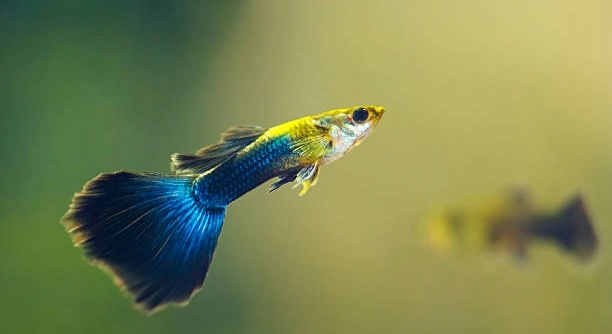
If you’ve noticed your guppy shaking in its tank, it could be a sign of an underlying issue. Understanding the potential causes can help you provide the proper care and maintain a healthy aquarium environment for your fish.
Guppy shaking can result from various factors such as stress, illness, poor water quality, or even temperature changes. It’s important to observe other symptoms and address the cause to prevent further harm to your fish.
Taking a closer look at the possible reasons behind the shaking will help you identify the root cause. This way, you can ensure your guppy remains happy and healthy in its aquatic home.
Stress and Anxiety
Stress is one of the most common causes of shaking in guppies. A change in their environment, such as new tank mates, sudden changes in water conditions, or even too much activity around their tank, can make them anxious. Guppies are sensitive fish and can easily become stressed if their habitat is disrupted.
Signs of stress include erratic swimming patterns, hiding, and shaking. If you’ve recently made changes to the tank, such as adding new plants, moving decorations, or changing the filtration system, it could be causing your guppy to feel uneasy.
To help reduce stress, try to keep the environment stable. Avoid sudden changes, maintain consistent water parameters, and provide plenty of hiding spots. If your guppy is still shaking, it might be worth checking if other fish are bullying or intimidating them. Creating a calm, quiet environment will go a long way in easing their anxiety.
Poor Water Quality
Dirty water can severely affect your guppy’s health, often leading to shaking. Fish are extremely sensitive to changes in their environment, and poor water quality can cause discomfort and stress, making them shake.
Water parameters such as pH, ammonia, nitrites, and nitrates need to be within proper ranges for fish to thrive. If the water is too dirty, it can irritate your guppy’s skin and gills, causing them to exhibit abnormal behavior like shaking.
Regular water changes are essential to maintain a healthy tank. Make sure to test the water regularly and perform partial water changes every week. Using a good filtration system is key to keeping toxins at bay. If you notice a persistent shaking issue, check for ammonia spikes, which can be harmful. Keeping your tank clean and monitoring water quality is one of the easiest ways to ensure your guppy remains healthy and calm.
Temperature Fluctuations
Temperature changes can cause guppies to shake. Guppies prefer a stable water temperature, typically between 72°F and 82°F. If the water becomes too cold or too hot, it can stress your fish and cause them to behave unusually.
When the temperature drops or rises too quickly, guppies struggle to regulate their body temperature, which can lead to shaking. To avoid this, use a reliable aquarium heater and thermometer to monitor the tank’s temperature regularly. If the water fluctuates outside the recommended range, the guppy might exhibit signs of distress, including shaking and lethargy.
If your guppy’s tank is in a drafty area or exposed to direct sunlight, these external factors can also impact the water temperature. Maintaining a consistent environment helps your guppy feel comfortable and reduces stress. Be mindful of these changes and adjust the tank’s setup accordingly to keep the temperature stable.
Illness and Parasites
Illness can cause shaking in guppies. Internal parasites, bacterial infections, or external parasites like ich can all affect your fish’s health, leading to abnormal behaviors such as shaking.
Guppies can pick up parasites from other fish, new plants, or contaminated water. Symptoms of illness can include lethargy, loss of appetite, and shaking. If your guppy is showing other signs, such as white spots on the skin or fins, they may be suffering from a parasitic infection like ich. In such cases, it’s important to treat the tank with the appropriate medication.
Infections can also lead to weakened immune systems, which makes your guppy more susceptible to stress and shaking. Keeping your tank clean, isolating new fish before introducing them, and observing for any signs of illness can prevent the spread of infections. Always quarantine new fish for a few weeks to ensure they are not carrying diseases that could affect your guppy.
Overcrowding
Overcrowded tanks can stress your guppies and lead to shaking. When too many fish are in a small space, they compete for resources like food and oxygen. This can cause anxiety and make them more prone to displaying strange behaviors, such as shaking.
A crowded environment also increases the waste produced in the tank, which can quickly lower water quality and affect the health of your guppy. To reduce stress, it’s important to ensure your tank isn’t overcrowded. The general rule is about one inch of fish per gallon of water. If you notice shaking or other signs of stress, consider reducing the number of fish in the tank.
Inadequate Diet
An improper diet can also cause shaking in guppies. If your fish aren’t getting the right nutrients, their health can suffer, and they may begin to show unusual behavior, such as shaking.
A lack of variety in their food or feeding too much of one type of food can lead to nutritional deficiencies. Guppies need a balanced diet of high-quality flakes, pellets, and occasional live or frozen foods. Overfeeding can also cause problems, leading to poor water quality and additional stress. Keep their diet diverse and provide small, regular feedings to maintain their health.
Aggressive Tankmates
Aggressive tankmates can cause guppies to shake. If your guppy is being bullied or chased by more dominant fish, it can lead to stress and shaking. Fish like bettas or larger species may show territorial behavior, which stresses smaller, peaceful fish like guppies.
Observe the interactions between your fish and separate any aggressive ones. It’s essential to choose tankmates that are compatible with your guppy’s temperament. If bullying continues, you may need to remove the aggressor to prevent further stress and shaking.
FAQ
Why is my guppy shaking?
Shaking in guppies can be caused by several factors, such as stress, poor water quality, temperature fluctuations, or even illness. Stress can occur due to sudden changes in the tank environment, overcrowding, or aggression from other fish. Poor water quality, including high levels of ammonia, nitrates, or improper pH levels, can irritate your guppy and cause abnormal behavior like shaking. Illnesses or parasites, such as ich or internal infections, can also cause shaking. It’s important to assess your guppy’s tank and health to pinpoint the cause.
How do I fix a stressed guppy?
To reduce stress in your guppy, ensure that the tank environment is stable and peaceful. Avoid sudden changes, like moving decorations or adding new fish too quickly. Make sure the tank isn’t overcrowded, as this can cause anxiety. Keep the water clean and maintain consistent temperature and water parameters. Providing hiding spots, like plants or rocks, can help your guppy feel more secure. Also, try to keep the area around the tank calm, avoiding too much noise or activity.
Can temperature changes cause shaking in guppies?
Yes, temperature fluctuations can cause your guppy to shake. Guppies thrive in water temperatures between 72°F and 82°F, and any drastic changes can be stressful. A sudden drop or rise in temperature makes it hard for your fish to regulate its body, leading to physical distress, which can show as shaking. Using an aquarium heater and thermometer helps maintain a consistent, ideal temperature for your guppy. If temperature changes occur often in your tank, you may need to adjust its location or equipment to stabilize it.
What diseases cause guppies to shake?
Several diseases can cause guppies to shake, including parasites like ich, external fungal infections, or internal bacterial infections. Ich, a common parasite, causes white spots on the skin and fins, leading to shaking and other symptoms. Internal infections can cause lethargy, loss of appetite, and shaking as well. If you notice your guppy is not eating, has abnormal markings, or is shaking, it’s crucial to treat the tank with the appropriate medications. Proper quarantine procedures for new fish also reduce the risk of introducing diseases.
Can poor water quality lead to shaking in guppies?
Yes, poor water quality can irritate your guppy and lead to shaking. If your water contains high levels of ammonia, nitrites, or nitrates, it can stress the fish and even cause burns on their skin or gills. This discomfort may result in abnormal behavior such as shaking. Regular water testing and frequent water changes are crucial to keeping the tank clean. A good filtration system helps to remove toxins, ensuring your guppy’s environment is healthy.
How can I prevent my guppy from getting sick?
To prevent your guppy from getting sick, maintain a clean tank with appropriate water parameters. Regular water changes, proper filtration, and testing water quality are essential. You should also feed your guppy a balanced diet of high-quality flakes or pellets and occasional live or frozen food. Quarantine new fish before adding them to your tank to ensure they aren’t carrying diseases. Avoid overcrowding, and monitor tankmates to prevent bullying, which can weaken your guppy’s immune system.
Can aggression from other fish cause shaking?
Yes, aggression from other fish can cause stress and lead to shaking. Guppies are peaceful fish, and when housed with more aggressive species, they may be chased or intimidated. This can cause them to become anxious or even fearful. If your guppy is being bullied, it will likely show signs of stress, such as shaking or hiding. Choosing peaceful tankmates and separating any aggressive fish is important to reduce the chances of stress and shaking in your guppy.
Why is my guppy shaking but not showing other symptoms?
If your guppy is shaking but isn’t showing other symptoms, the cause may be related to environmental stressors like water quality, temperature changes, or overcrowding. Even if there are no visible signs of illness, guppies can still experience discomfort from these factors. Assessing the tank environment and making any necessary adjustments can help. However, it’s still important to monitor your guppy for any additional symptoms, such as changes in appetite, lethargy, or abnormal swimming, which may indicate the onset of illness.
Should I treat my guppy with medication if it’s shaking?
Before treating your guppy with medication, it’s essential to determine the cause of the shaking. If the shaking is due to stress or poor water quality, addressing the tank conditions may be enough to resolve the issue. If your guppy shows signs of illness, such as discoloration, lesions, or difficulty swimming, medication may be necessary. Always use the appropriate medication based on the specific illness or parasite affecting your guppy. Overuse of medication can harm your fish, so it’s important to diagnose the problem carefully before treating.
What should I do if my guppy is shaking and swimming erratically?
If your guppy is shaking and swimming erratically, it may indicate a more serious issue, such as illness or poor water quality. First, check the water parameters (ammonia, nitrites, nitrates, pH, temperature) to ensure they are within the ideal range. If the water quality is good, you may need to consider the possibility of parasites or infections. Look for other symptoms like white spots, redness, or a loss of appetite. If the shaking continues, treating the tank with the appropriate medication may be necessary.
Final Thoughts
If your guppy is shaking, it’s important to carefully evaluate the tank environment and your fish’s overall health. Stress, poor water quality, temperature changes, illness, and even aggression from other tankmates are some of the most common causes. Addressing these factors promptly can help your guppy recover and prevent further issues. Keeping your tank clean, maintaining stable water conditions, and ensuring that the environment is calm can significantly reduce the likelihood of shaking caused by stress or discomfort.
Monitoring your guppy’s behavior closely can help you spot other signs that may point to an underlying health problem, such as changes in appetite, unusual swimming patterns, or the presence of visible spots or lesions. If your fish continues to shake despite environmental adjustments, it could be a sign of an illness or parasite that requires medical attention. Treating the problem early can improve your guppy’s chances of recovery and prevent it from spreading to other fish in the tank. Always ensure that any medication or treatments you use are appropriate for the specific condition affecting your guppy.
Ultimately, the key to preventing shaking and other health problems in your guppy is maintaining a stable, clean, and stress-free environment. Regular water testing, appropriate feeding, and a proper tank setup are all essential to your guppy’s well-being. By addressing the root cause of the shaking, whether it’s environmental or health-related, you can help your guppy live a long, healthy, and happy life.

Hello,
If you enjoy the content that we create, please consider saying a "Thank You!" by leaving a tip.
Every little bit helps us continue crafting quality advice that supports the health, happiness, and well-being of pets around the world, for pets of all shapes, sizes, and species.
We really appreciate the kindness and support that you show us!