
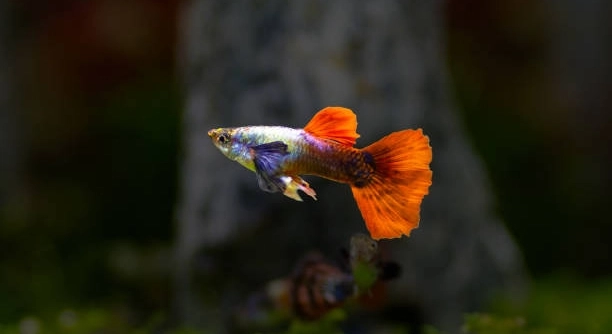
Guppies are vibrant and lively fish, often a delight to have in a home aquarium. However, when your guppy suddenly stops eating, it can be concerning. Understanding the reasons behind this behavior can help you address the issue effectively.
Guppies may refuse to eat for various reasons, such as stress, illness, water quality issues, or improper diet. A sudden change in their environment or tank conditions can also lead to a loss of appetite.
By understanding these common causes, you can take the necessary steps to ensure your guppy’s well-being and help them regain their appetite. Keep reading to learn about the factors that could be affecting your fish.
Stress from Water Changes or Tank Maintenance
Guppies are sensitive to changes in their environment. Frequent water changes, sudden shifts in water temperature, or rearranging decorations can cause them stress. If they feel threatened or disoriented, they may stop eating. Stress makes it difficult for guppies to adjust to their surroundings, leading them to retreat. It’s important to maintain a consistent environment to keep your guppies happy.
If you’ve recently made changes to the tank, it’s best to observe your guppy carefully. This could be a key reason behind their refusal to eat.
When setting up a new tank or making changes, try to avoid sudden shifts. Keep the water temperature stable, perform gradual water changes, and let the tank environment settle. If the guppy is still stressed, it may take a few days for them to feel comfortable enough to eat again. Patience and a calm atmosphere can help restore their appetite.
Illness or Disease
A sick guppy will likely show signs such as lethargy, clamped fins, or irregular swimming. Illness is a common reason why your guppy might refuse food. Certain diseases can make it difficult for them to eat or cause a loss of appetite.
Parasites, bacterial infections, or internal issues like constipation can disrupt a guppy’s ability to feed properly. If you notice other symptoms besides a lack of appetite, it’s crucial to act quickly.
A proper diagnosis and prompt treatment are essential for recovery. If your guppy refuses to eat and shows other signs of illness, check the water quality and consider consulting a vet. Certain medications can help treat bacterial or parasitic infections. Make sure to isolate sick fish to prevent the spread of disease in the tank.
Poor Water Quality
Water quality is crucial for the health of your guppy. Poor water conditions, such as high levels of ammonia, nitrites, or nitrates, can cause your guppy to stop eating. Regular water testing and maintenance are essential to ensure a healthy tank.
Make sure to check the water regularly, especially after water changes. If the levels of toxins are too high, it can cause stress and even illness. When the water quality is off, guppies may stop feeding, which is a sign they feel unsafe in their environment.
The best way to improve water quality is by performing regular water changes, using a reliable filtration system, and keeping the tank clean. It’s also important to avoid overfeeding, as uneaten food can pollute the water. Ensuring that your tank is well-maintained will help your guppy thrive and regain its appetite.
Wrong Type of Food
Guppies, like all fish, have specific dietary needs. Offering them the wrong type of food can cause them to lose interest in eating. They require a balanced diet, including both plant-based and protein-rich foods.
If your guppy refuses food, it may be a sign that what you are offering doesn’t suit their tastes or nutritional needs. Some guppies are picky eaters and may avoid certain types of food, such as large flakes or pellets. Experiment with different options like frozen or live food to see what they prefer.
To avoid this, offer a variety of foods, such as high-quality flake food, brine shrimp, or daphnia. Ensure that the food is appropriately sized and easy for them to eat. A well-balanced diet can help keep your guppy healthy and encourage them to eat more.
Temperature Fluctuations
Guppies are sensitive to temperature changes. If the water is too cold or too hot, they may stop eating. Keeping the tank at a stable, appropriate temperature is crucial for their health and appetite.
If your guppy’s environment fluctuates between extremes, it can cause stress and make them unwilling to eat. Maintaining a consistent water temperature around 72-82°F (22-28°C) will help your guppy feel comfortable and encourage feeding.
Investing in a reliable aquarium heater with a thermostat can help regulate the water temperature. This will not only prevent temperature stress but also improve your guppy’s overall well-being.
Tank Mates and Competition
Sometimes, the problem lies with other fish in the tank. Aggressive or overly competitive tank mates can intimidate your guppy, causing them to avoid food. This is especially common if there are larger, more dominant fish that steal the food before the guppy has a chance to eat.
If your guppy is being outcompeted for food, it may refuse to eat altogether. To solve this, ensure your guppy has enough space and food. You may need to separate aggressive fish or feed them at different times to allow your guppy to eat without stress.
Overfeeding
Overfeeding can lead to uneaten food settling in the tank, affecting water quality and causing stress. A full stomach may also discourage your guppy from eating. Be mindful of how much food you’re offering.
Why is my guppy not eating after a water change?
Guppies can become stressed after a water change, especially if the temperature, pH, or water chemistry shifts too quickly. When the water quality changes abruptly, it can be overwhelming for them, causing them to refuse food. To avoid this, always ensure that water changes are gradual and the temperature matches the tank’s original level. Testing water parameters like ammonia, nitrites, and nitrates after each change can help ensure the water stays safe. If your guppy isn’t eating after a water change, it might need time to adjust to the new conditions.
How can I tell if my guppy is sick?
If your guppy refuses food, it may be a sign of illness. Look for other symptoms like swimming erratically, clamped fins, or discoloration. They may also appear lethargic, spend more time at the bottom of the tank, or have visible lesions or sores. Any drastic change in behavior or appearance could indicate an underlying issue. Check water quality, as poor conditions can also contribute to illness. If symptoms persist, consult a veterinarian or consider isolating the guppy to prevent spreading any potential disease to other fish.
Is it normal for a guppy to stop eating for a day or two?
It is not uncommon for guppies to occasionally skip a meal. However, if your guppy refuses to eat for more than two days, it’s worth investigating further. Factors such as stress, temperature fluctuations, or changes in water quality can cause short-term loss of appetite. If your guppy seems healthy otherwise and the environment is stable, it might just be taking a break. Monitor the guppy closely, and if the issue persists, consider checking the tank’s conditions or offering different types of food.
Can guppies stop eating if they are stressed?
Yes, stress is a common reason why guppies stop eating. Stressors like loud noises, aggressive tank mates, or changes in water conditions can make your guppy anxious, leading them to refuse food. It’s important to provide a calm environment for your guppy, with stable water parameters and peaceful tank mates. If you’ve recently made changes in the tank, try to minimize disturbances and allow the guppy time to adjust.
Should I be worried if my guppy is refusing food?
If your guppy refuses food for more than a couple of days, it’s worth investigating. While occasional loss of appetite isn’t usually a cause for concern, persistent refusal to eat can indicate health issues, stress, or poor water quality. Begin by checking water parameters and examining your guppy for signs of illness. If everything appears normal and the behavior continues, consider offering different types of food or removing any stressors in the tank.
Can I overfeed my guppy?
Yes, overfeeding is a common problem that can lead to various issues. When too much food is offered, it can result in uneaten food settling in the tank, which harms water quality. Overfeeding can also cause your guppy to feel too full, discouraging them from eating. It’s important to offer small amounts of food that your guppy can consume within a few minutes, and be mindful of their diet. If you’re unsure, it’s better to underfeed slightly than overfeed, as guppies can survive well with smaller portions.
What can I do if my guppy is not eating after introducing new tank mates?
Introducing new fish can sometimes cause stress, especially if the new tank mates are more dominant or aggressive. If your guppy is not eating after new fish have been added, consider isolating any aggressive tank mates or rearranging the tank to reduce territorial behavior. Also, ensure that all the fish are getting enough food by offering multiple feeding stations or feeding them separately. This can help reduce competition for food and give your guppy a chance to eat peacefully.
Can guppies stop eating due to poor water quality?
Yes, poor water quality is one of the most common reasons why a guppy might refuse food. Ammonia, nitrites, or high levels of nitrates can stress out fish, leading to a lack of appetite. Make sure to test the water regularly and perform routine water changes. Keeping the tank clean and ensuring proper filtration will help prevent poor water quality from affecting your guppy’s health and appetite.
How long can a guppy go without eating?
Guppies can usually survive for a few days without food, though it’s not ideal. If your guppy refuses to eat for an extended period, it’s important to determine the cause. Stress, illness, or water quality issues are often to blame. If the guppy still refuses food after 3-4 days, it’s time to take action, whether by changing the water, adjusting the tank environment, or consulting a professional.
How can I help my guppy regain its appetite?
The key to getting your guppy to eat again is identifying the cause of the problem. Start by checking the water quality and making sure it’s within the proper parameters. Remove any potential stressors, such as aggressive tank mates or drastic changes in the tank. Offering different food options, including live or frozen food, can also help spark their interest. If illness is suspected, treating with the appropriate medication may be necessary. Always provide a stable environment to support your guppy’s health.
When a guppy stops eating, it’s important to address the issue as soon as possible. While it can be stressful to see your fish refuse food, understanding the underlying causes is the first step in finding a solution. Common reasons include poor water quality, stress, illness, or an improper diet. By keeping an eye on your guppy’s behavior and the tank environment, you can usually pinpoint what’s causing the problem.
If your guppy stops eating, start by testing the water. Poor water quality is often the root cause of feeding problems. High levels of ammonia or nitrates can make the water unsafe and stressful for your guppy. Regular water changes and proper filtration can prevent this. Additionally, check the temperature of the water. Guppies prefer temperatures between 72-82°F (22-28°C), so a sudden change in temperature can cause stress and a lack of appetite. Make sure the tank environment is stable, and avoid frequent, drastic changes that can upset your guppy’s comfort.
Finally, consider what your guppy is eating. Some fish are picky and may refuse food that doesn’t meet their preferences. Offering a variety of foods, including live or frozen options, can encourage them to eat. If the issue persists and you notice other signs of illness, such as lethargy or abnormal swimming, it’s important to seek professional help. Regular monitoring of water conditions, offering a balanced diet, and keeping the tank peaceful can go a long way in ensuring your guppy stays healthy and well-fed.

Hello,
If you enjoy the content that we create, please consider saying a "Thank You!" by leaving a tip.
Every little bit helps us continue crafting quality advice that supports the health, happiness, and well-being of pets around the world, for pets of all shapes, sizes, and species.
We really appreciate the kindness and support that you show us!