
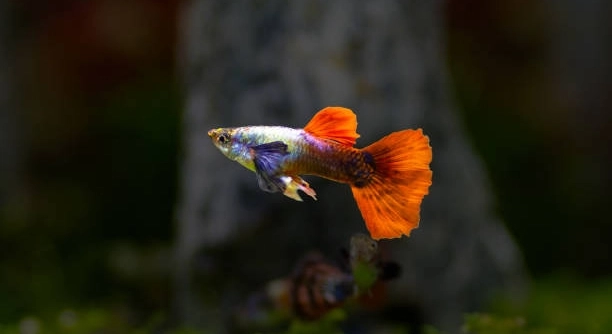
Sometimes, guppies can struggle to produce fry, leaving fishkeepers wondering what might be causing the issue. Several factors could be at play that affect their reproductive success. Understanding these causes is key to solving the problem.
The inability of your guppy to produce fry can result from various environmental and biological factors. These include improper water conditions, stress, poor nutrition, or even the age and health of the guppy. Addressing these issues can encourage breeding.
Exploring these causes can help you troubleshoot and improve the chances of your guppy producing fry. Keep reading to uncover more details.
1. Poor Water Conditions
Water quality is one of the most important factors when it comes to guppy breeding. Guppies thrive in clean, stable water conditions, and any drastic changes in water parameters can disrupt their ability to reproduce. The pH level, temperature, and hardness of the water all play a role in their reproductive health. Guppies prefer slightly alkaline water with a pH between 7.0 and 8.0. Water temperatures should ideally range between 72°F and 82°F. Any fluctuations or extremes in these conditions can prevent them from breeding. If the water is too cold or too warm, the stress can halt reproduction. Additionally, high ammonia or nitrite levels are toxic to guppies, leading to stress or even death, making it essential to maintain stable water conditions. Regular water changes and the use of a good filtration system will ensure your guppies are comfortable and healthy enough to breed.
Ensuring proper water conditions can go a long way in improving your guppy’s breeding chances. Pay attention to regular water tests.
Stable water conditions are key to helping your guppy breed. Invest in a good filtration system and monitor water levels regularly.
Stress Factors
Stress can directly affect your guppy’s ability to produce fry. Guppies can become stressed due to poor water conditions, overcrowding, or aggressive tank mates. Even sudden changes in the environment, such as moving the tank or introducing new fish, can cause them to become anxious, reducing the likelihood of breeding.
Stress is detrimental to guppy health and reproductive success. If your guppy is constantly on edge, their body may stop releasing eggs or sperm. Stress can also weaken their immune system, making them more susceptible to disease. Avoid overstocking your aquarium, and create a peaceful environment with plenty of hiding spots. This can help your guppies feel safe and reduce stress, allowing them to focus on breeding. Make sure to give them time to acclimate to their environment, especially after changes.
Monitoring your guppy’s behavior is essential in identifying stress factors. Ensure they have a quiet and stable environment with a balanced community of fish.
By providing your guppies with a peaceful space and avoiding overcrowding, you’ll reduce stress, which can promote breeding and overall health. Keep an eye on the tank’s dynamics to ensure a smooth breeding process.
Inadequate Nutrition
Proper nutrition is crucial for guppy reproduction. If your guppy isn’t getting the right balance of vitamins, minerals, and proteins, it may struggle to produce fry. A lack of proper nutrition can lead to poor health, affecting their ability to breed.
Feeding your guppies a varied diet, including high-quality flakes, frozen or live foods, is essential. Guppies need enough protein to stay healthy and reproduce effectively. Adding greens, like spinach or daphnia, can improve their overall diet. Without these nutrients, your guppy may become malnourished and may not breed. Over time, this could lead to health issues.
Make sure to feed your guppies a balanced, nutritious diet regularly. It’s important to offer different types of food to ensure they’re getting all the necessary nutrients.
Proper nutrition is the foundation of a healthy guppy. Feeding them a mix of high-quality foods will help ensure they stay healthy and ready to breed.
Age of the Guppy
Age plays a significant role in breeding. Guppies generally reach sexual maturity around 3 to 4 months of age. A guppy too young or too old may not breed efficiently.
If your guppy is too young, it may not have developed enough to breed. Similarly, older guppies may struggle to reproduce, as their fertility decreases with age. Ideally, guppies should be bred when they’re around 6 to 12 months old for the best chances of successful reproduction. If your guppy is not producing fry, age might be a limiting factor.
Make sure your guppies are the right age before expecting them to breed. Keeping track of their age can help you time their breeding cycles properly.
FAQ
Why isn’t my guppy breeding?
There are several reasons why your guppy might not be breeding. It could be due to stress, poor water conditions, or improper nutrition. If your guppy is too young or too old, it may also have difficulty reproducing. Additionally, overcrowding or the wrong tank mates could contribute to the problem. Pay attention to your tank environment and ensure that your guppy is in the right conditions for breeding.
How do I know if my guppy is pregnant?
A pregnant female guppy will typically show a dark spot near her abdomen, known as a gravid spot. This is where the fry are developing. As pregnancy progresses, the spot may darken, and her belly will expand as the fry grow. In the final stages, her belly will become noticeably swollen, and you may notice the fry moving inside.
How can I increase the chances of my guppy breeding?
To increase the chances of breeding, ensure that your guppies are kept in a well-maintained tank with clean water, proper temperature, and stable pH. Feed them a balanced diet with enough protein and nutrients. Additionally, provide them with a peaceful environment with adequate space. Avoid overcrowding and stress, and ensure that there are both male and female guppies in the tank.
Can I breed guppies in a community tank?
Yes, guppies can breed in a community tank, but it’s important to ensure that the tank mates are peaceful and not overly aggressive. Aggressive fish may stress your guppies and hinder their breeding behavior. Additionally, you might want to add some hiding spots to protect the fry from being eaten by other fish.
What temperature should the water be for breeding guppies?
Guppies breed best in water temperatures between 74°F and 82°F. If the water is too cold or too hot, it could cause stress and prevent them from breeding. Maintaining a stable temperature within this range is important for your guppy’s overall health and reproductive success. Consider using a reliable aquarium heater to regulate the temperature.
How long does it take for a guppy to give birth?
Guppies have a gestation period of about 21 to 30 days, depending on factors like water temperature, health, and age. Warmer water temperatures tend to speed up the process, while cooler temperatures can slow it down. Once the fry are ready, the female guppy will give birth to live young.
Should I separate the male and female guppies?
It’s not necessary to separate male and female guppies unless you’re trying to prevent breeding. If you want to avoid fry, you can separate the sexes, or place the female in a breeding box to prevent unwanted births. However, if you want to breed them, keeping them together in appropriate conditions is ideal.
How can I tell if my male guppy is ready to breed?
Male guppies typically show brighter, more vibrant colors when they are ready to breed. They may also display a more active and persistent behavior toward the females. The males will often chase and follow the females, trying to mate. If you observe these behaviors, it’s a sign that the male is ready.
What should I do with the fry once they are born?
Once the fry are born, you can either leave them in the main tank or move them to a separate tank for safety. The fry are tiny and vulnerable, so it’s essential to protect them from larger fish that may see them as food. You can provide fine food like crushed flakes or specialized fry food until they grow large enough to eat regular guppy food.
Why are my guppy fry not surviving?
Several factors can lead to guppy fry not surviving, including poor water quality, lack of food, or predation by other fish in the tank. Ensure that the fry are in a safe environment with good water quality and adequate food. If necessary, move the fry to a separate tank or a breeding box to protect them from adult fish.
How many fry can a guppy have at once?
A female guppy can give birth to anywhere from 20 to 50 fry in a single batch, although some may have more or fewer depending on their size and health. Larger, well-fed females tend to produce more fry. It’s important to be prepared for the number of fry, as they can grow quickly and need space and food.
Final Thoughts
Understanding why your guppy isn’t producing fry is essential to ensuring their reproductive success. By addressing factors like water conditions, stress, nutrition, and age, you can create a more conducive environment for breeding. Guppies are sensitive to changes in their surroundings, so maintaining stable water quality and temperature is key. Avoiding stress, whether from tank mates or environmental factors, also helps keep your guppies healthy and ready to breed. Ensuring they are the right age and offering a balanced diet can further increase the chances of successful reproduction.
It’s also important to note that guppies have different reproductive patterns and needs depending on the individual. Some guppies may breed faster than others, and variations in behavior can sometimes be attributed to genetics. The right mix of male and female guppies, with the proper balance of tank conditions, will make a noticeable difference in the likelihood of producing fry. Regular monitoring of water parameters, stress levels, and overall health is essential for a successful breeding setup.
Patience plays a significant role in breeding guppies. Sometimes, it takes a little longer for them to adjust to new environments or to reach the right conditions. Ensuring that your guppies are comfortable and healthy while providing the appropriate care will help set them up for success. Once they are in optimal conditions, guppies can reproduce quite regularly. Keep in mind that every tank is unique, and with time, you’ll learn what works best for your specific setup.

Hello,
If you enjoy the content that we create, please consider saying a "Thank You!" by leaving a tip.
Every little bit helps us continue crafting quality advice that supports the health, happiness, and well-being of pets around the world, for pets of all shapes, sizes, and species.
We really appreciate the kindness and support that you show us!