
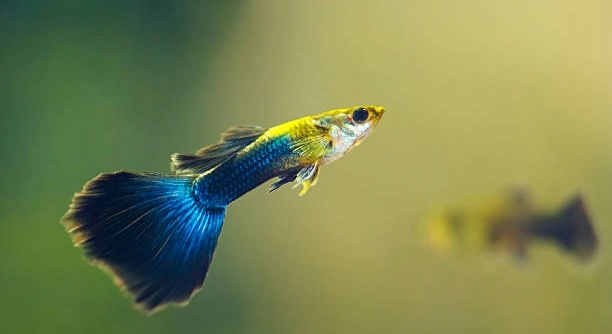
Is your guppy refusing to eat, leaving you worried and unsure about what might be going wrong in its tank environment?
The most common reason a guppy stops eating is due to stress caused by poor water quality, sudden environmental changes, or illness. Identifying the root issue early is essential for restoring your guppy’s appetite and health.
There are several other potential causes worth exploring, from improper diet to bullying from tank mates, all of which can affect your guppy’s behavior and overall well-being.
Poor Water Quality
When the water in your tank isn’t clean or properly balanced, guppies can quickly become stressed and stop eating. Ammonia, nitrite, and nitrate levels can rise fast in small or overcrowded tanks. If the water temperature is too cold or too hot, this can also affect their appetite. Guppies are sensitive to their environment, and sudden shifts in water parameters can make them feel unsafe. Regular water testing and weekly partial water changes are important to keep conditions stable. Even chlorine in untreated tap water can harm their gills and make it hard for them to breathe, leading to a lack of interest in food.
A good water filter and consistent cleaning routine help maintain stable tank conditions and reduce stress for your guppies.
If your guppy has stopped eating, check the water first. Test for toxins, confirm the temperature is between 72°F and 82°F, and make sure there’s enough oxygen circulating in the tank.
Illness or Infection
Loss of appetite is often one of the first signs that a guppy is feeling unwell or dealing with an infection.
Bacterial, fungal, or parasitic infections can all lead to changes in eating behavior. Internal parasites may not show external signs right away, but they can cause a fish to stop eating, become lethargic, or lose weight. Fin rot, white spots, or bloating may also appear depending on the condition. It’s helpful to observe your guppy closely. Look for labored breathing, clamped fins, or odd swimming patterns. Prompt treatment is essential. Use medications that match the issue, and isolate the sick fish if possible. Clean the tank thoroughly and monitor all your fish to prevent the spread of disease. When addressed quickly, many illnesses are treatable, and your guppy can return to its usual behavior within days.
Stress from Environmental Changes
Changes in the tank environment, like adding new fish or rearranging decorations, can make guppies feel unsafe. Even small shifts in lighting or sudden movement around the tank might cause them to stop eating for a while.
Guppies are creatures of habit. When their surroundings change suddenly, they often respond by hiding, acting skittish, or refusing food. Moving them to a new tank, introducing tank mates, or even changing the water flow with a different filter can all trigger this response. To reduce stress, try to make any changes gradually. If adding new fish, quarantine them first and introduce them slowly. Keep noise and vibration around the tank to a minimum. Giving your guppy time to adjust can help them regain their appetite and return to normal behavior within a few days. Watch for signs of improvement like increased activity and responsiveness at feeding time.
Keeping tank conditions consistent helps prevent stress-related appetite issues. Use a timer for lighting, avoid sudden temperature changes, and provide hiding spots like plants or small caves. These small touches give guppies a sense of control over their space. When they feel secure, they’re more likely to stay healthy, active, and interested in food every day.
Aggression from Tank Mates
Guppies are peaceful, but if kept with aggressive or overly dominant fish, they may become anxious. This can cause them to stop eating and hide more than usual, especially if they are being chased or nipped at constantly.
Tank mate aggression doesn’t always mean visible fighting. Sometimes it’s subtle—like another fish guarding the food area or chasing a guppy away during feeding time. Guppies can be picked on by fish like bettas, barbs, or even larger guppies. If one fish seems isolated or loses its place in the social group, this might be a sign of bullying. Rearranging decorations can break up territories and reduce aggression. You can also try feeding in different areas of the tank to give every fish a fair chance. In serious cases, you may need to separate aggressive fish or consider rehoming them to keep the tank peaceful and balanced.
Wrong Type of Food
Guppies can be picky eaters, especially if the food is too large, too hard, or simply not what they’re used to. Some may ignore flakes and prefer live or frozen foods like brine shrimp or daphnia.
If the food sinks too fast or floats too long, your guppy might not notice it. Texture and smell also play a role. Try offering a mix of flakes, pellets, and frozen foods to see what they respond to best.
Overfeeding
When guppies are overfed, uneaten food can build up and affect water quality, making them lose interest in eating. They also might not be hungry if they’ve been fed too often during the day. Feed small amounts once or twice daily.
Old or Expired Food
Fish food loses nutrients and flavor over time. If the container has been open for months, your guppy might not find it appealing. Store food in a cool, dry place and replace it every 6 months for freshness.
FAQ
Why is my guppy not eating after a water change?
After a water change, your guppy might be stressed due to shifts in water temperature, pH levels, or water chemistry. Even though the change is meant to improve the tank’s environment, it can temporarily affect your guppy’s appetite. This can be especially true if the water temperature differs from the previous level, or if new water has chlorine or chloramine. Make sure to match the temperature and treat tap water with dechlorinator before adding it to the tank. To reduce stress, keep the tank conditions as stable as possible, allowing your guppy to adjust over a few days.
How do I know if my guppy is sick and not just being picky?
If your guppy is suddenly refusing food and acting differently, it could be a sign of illness. Look for visible symptoms like cloudy eyes, bloating, fins clamped to the body, or unusual swimming behavior. Sick guppies often hide or stay near the bottom of the tank, and their color may appear dull. If these symptoms are present, it’s important to act quickly. Isolate the sick fish if needed and consider adding aquarium salt or using appropriate medication based on the symptoms. A healthy guppy should have clear eyes, bright colors, and a healthy appetite.
Can stress cause a guppy to stop eating?
Yes, stress is a common reason for a guppy to refuse food. Stress can result from sudden changes in the tank environment, like water temperature shifts, poor water quality, or the introduction of new tank mates. Guppies are sensitive to their surroundings, so any disturbance, even minor, can cause them to become anxious and stop eating. Try to minimize disruptions in their environment, keep the water clean, and ensure the tank has hiding places to reduce stress. Once your guppy feels secure again, it will likely start eating normally.
Should I fast my guppy if it’s not eating?
Fasting is generally not recommended for guppies, as they are small fish that require regular feeding to maintain energy levels. If your guppy isn’t eating, the issue is likely related to its environment or health rather than overfeeding. Fasting can add stress, especially if your guppy is already under stress from other factors. Instead of fasting, try identifying the root cause, such as water quality, tank mates, or illness, and address it promptly. Offer small, varied amounts of food until you see signs of improvement.
Can water temperature affect my guppy’s appetite?
Yes, water temperature plays a significant role in your guppy’s behavior, including its eating habits. Guppies thrive in temperatures between 72°F and 82°F (22°C – 28°C). If the water is too cold or too hot, it can stress your guppy and cause it to stop eating. When the temperature is too low, guppies become lethargic, while higher temperatures can lead to a decrease in oxygen levels, making it harder for them to stay active and eat. Maintain a stable water temperature using a reliable aquarium heater to keep your guppy comfortable.
Can overfeeding cause my guppy to stop eating?
Yes, overfeeding can lead to problems like bloating and digestive issues, which can make your guppy lose its appetite. Uneaten food left in the tank also contributes to poor water quality, which can stress your guppy. It’s best to feed small portions that your guppy can consume within 2 to 3 minutes. If there is leftover food, remove it to maintain water quality. Overfeeding not only affects your guppy’s health but can also cause long-term tank problems if not monitored closely.
What can I do if my guppy is not eating and seems lethargic?
If your guppy is both not eating and seems lethargic, it might be ill or stressed. First, check the water quality—test the ammonia, nitrite, and nitrate levels, and make sure the temperature is within the recommended range. Poor water quality is a common cause of lethargy and lack of appetite. If the water is fine, consider the possibility of illness or infection. Look for symptoms like unusual spots, bloating, or clamped fins. You may need to isolate the sick fish, treat the tank with appropriate medication, and keep an eye on any changes in behavior.
Is it normal for a guppy to not eat for a day or two?
It is normal for a guppy to occasionally skip a meal, especially if it’s stressed or adjusting to a new environment. However, if your guppy continues to refuse food for more than two days, you should investigate the possible causes. Make sure the water quality is good, check for signs of illness, and ensure it is not being bullied by other fish. If the behavior persists, take action by adjusting the tank conditions, offering different foods, and seeking treatment if necessary. Prolonged refusal to eat could indicate a serious issue.
Why is my guppy not eating but still swimming normally?
If your guppy is swimming around normally but not eating, it might be a sign of mild stress or dietary preferences. Guppies are active fish and may continue swimming even when they aren’t hungry. It’s important to check water parameters for any fluctuations or signs of stress, like temperature changes, tank mate issues, or water quality problems. Sometimes, guppies simply need a break from food, but if they continue not eating, it’s important to evaluate their environment. Offer a variety of foods to see if your guppy has a preference.
Can I try feeding my guppy different types of food to encourage eating?
Yes, offering a variety of foods can encourage your guppy to eat, especially if they’ve been picky or stressed. Guppies enjoy a mix of flakes, pellets, and frozen foods like brine shrimp, daphnia, or bloodworms. You can also try live foods, which tend to excite their natural hunting instincts. Ensure the food is small enough for them to eat easily. If your guppy is still refusing food, it may be wise to address potential health or water quality issues first, as these are often the root cause of a loss of appetite.
How long can a guppy go without eating?
Guppies can survive without food for a short period, typically about 2 to 3 days, but prolonged fasting can weaken their immune system and overall health. While they might go without eating for a short time due to stress or illness, you should try to address the underlying issue as soon as possible. Keeping track of water quality, tank conditions, and your guppy’s behavior will help you determine if the lack of appetite is temporary or something that needs medical attention.
Final Thoughts
It’s not uncommon for a guppy to stop eating, but understanding the cause is key to getting them back to a healthy eating routine. There are many factors that can contribute to a lack of appetite, including poor water quality, stress, illness, and even environmental changes. Often, the issue is related to the tank’s conditions, so regularly monitoring and adjusting these can help your guppy feel safe and comfortable again. Taking simple steps like keeping the water clean, maintaining the right temperature, and offering fresh, varied food can make a big difference in your guppy’s behavior.
When it comes to the health of your guppy, it’s always important to act quickly if you notice a loss of appetite that lasts more than a day or two. Delaying action can result in the issue worsening, whether it’s due to poor water quality, an undiagnosed illness, or stress from bullying. By paying attention to your guppy’s behavior and environment, you can catch problems early and take steps to fix them. If your guppy is sick, isolating it from the others, treating the tank, and ensuring clean water will help with recovery. Illnesses often respond well to quick intervention, but without proper care, they can worsen.
Ultimately, the key to a happy and healthy guppy is a stable, comfortable environment. By making sure your tank conditions are right and addressing any problems quickly, you’ll help your guppy thrive. Don’t forget to regularly check water quality, adjust the tank’s setup as needed, and provide a balanced diet that suits your guppy’s needs. With a little patience and care, your guppy will return to its normal, lively self and happily eat again in no time.

Hello,
If you enjoy the content that we create, please consider saying a "Thank You!" by leaving a tip.
Every little bit helps us continue crafting quality advice that supports the health, happiness, and well-being of pets around the world, for pets of all shapes, sizes, and species.
We really appreciate the kindness and support that you show us!