
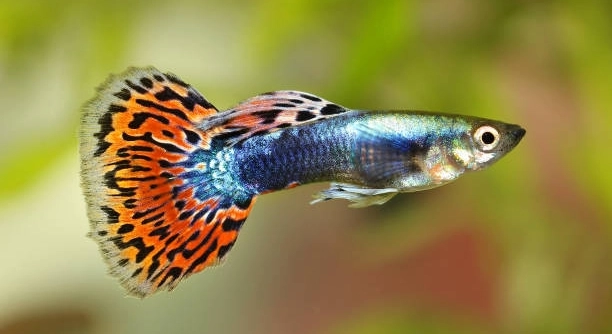
Guppies are lively and colorful fish, often the heart of many home aquariums. However, when their usual energetic behavior wanes, it can be concerning. Understanding the possible causes can help restore their vibrant activity.
Several factors may cause your guppy to be less active, such as poor water conditions, stress, or improper diet. Additionally, illness, overpopulation, and inappropriate tank mates can also contribute to lethargy. Monitoring these elements is key to maintaining a healthy environment.
Addressing these causes will help ensure your guppy is back to its lively self.
Poor Water Quality
If your guppy is not active, poor water quality is one of the most common reasons. Guppies thrive in clean, well-maintained tanks. The water should be clear, with proper levels of ammonia, nitrites, and nitrates. If these levels are off, your guppy may feel stressed and lethargic.
Testing the water regularly can prevent these issues. If the water quality is poor, it can lead to serious health problems for your fish. A simple water change or adjusting your filtration system can make a huge difference. Guppies prefer a temperature range of 74-82°F (23-28°C). Water that is too hot or cold can affect their behavior.
You can also add aquarium plants to improve water quality by naturally absorbing excess nutrients. Clean water supports a healthy fish environment and allows your guppy to swim around freely without feeling stressed. A healthy tank leads to a happier and more active guppy.
Stress and Overcrowding
Stress can take a toll on your guppy’s energy levels. If there are too many fish in the tank or incompatible tank mates, this can cause stress and reduce their activity.
Overcrowding happens when too many fish are placed in a small space. This leads to constant competition for food and territory, making your guppy feel unsafe. Ensure that the tank size is appropriate for the number of fish you have. Generally, a 10-gallon tank can house about 5-6 guppies comfortably.
Aside from overcrowding, tank mates can also influence a guppy’s behavior. Guppies are peaceful and can become stressed if they share a tank with aggressive fish. Keep peaceful species with your guppies to avoid unnecessary tension.
Poor Diet
An imbalanced diet can cause your guppy to lose energy and become less active. Make sure to feed them high-quality fish food that is specifically designed for guppies. A diet rich in protein is key to their health.
Feeding your guppy a variety of foods will help keep them healthy. Offer flakes, pellets, or even live food like brine shrimp and daphnia. Overfeeding or underfeeding can also cause lethargy. Make sure to remove any uneaten food from the tank to keep the water clean and reduce the risk of algae growth.
Adding vegetables like spinach or zucchini can give your guppy extra nutrients. Just be sure to remove any uneaten veggies to avoid water contamination. A balanced, varied diet will help boost their energy and overall activity levels.
Illness
Sometimes, inactivity is a sign of illness. Guppies are susceptible to various diseases, including swim bladder issues and internal parasites. Look for other signs like faded colors, bloated bodies, or abnormal swimming patterns.
If your guppy is sick, isolate it from other fish and treat it with the proper medication. Diseases can spread quickly in aquariums, so quarantining affected fish helps protect the rest of your tank. Additionally, ensure your tank is clean to prevent further illnesses.
Regularly monitor your fish’s behavior to spot early signs of illness. Early detection leads to faster treatment and can prevent a more serious issue from developing. Keeping a healthy environment is essential to preventing sickness.
Overpopulation
Overpopulation in a tank can cause stress and limit your guppy’s activity. Too many fish competing for space and food can lead to lethargy.
- Ensure the tank size is appropriate for the number of fish.
- Avoid overcrowding by following recommended fish-to-gallon ratios.
- Keep in mind that guppies should have enough space to swim freely without feeling confined.
Incompatible Tank Mates
Guppies may become inactive if they feel threatened by aggressive or territorial tank mates.
- Choose peaceful, non-aggressive species to share with guppies.
- Avoid fish that are larger or more dominant in behavior.
- Ensure there’s enough hiding space to reduce stress and encourage natural behavior.
Water Temperature
Guppies need a stable water temperature to stay active. Temperatures outside of their preferred range can make them lethargic.
- Maintain water temperature between 74-82°F (23-28°C).
- Use an aquarium heater to stabilize the water if necessary.
- Avoid placing the tank in areas with temperature fluctuations.
FAQ
Why is my guppy sitting at the bottom of the tank?
If your guppy is sitting at the bottom of the tank, it could be due to poor water quality, stress, or illness. First, check the water parameters like ammonia, nitrites, and nitrates to ensure they are within safe ranges. If these levels are off, a water change is needed. Another possibility is stress from overcrowding or aggressive tank mates. Guppies may retreat to the bottom if they feel unsafe. Illness, such as swim bladder disorder, could also cause unusual behavior. Observe for any signs like bloating or difficulty swimming. If necessary, isolate the sick fish for treatment.
How can I improve my guppy’s activity level?
To increase your guppy’s activity, focus on their diet, water conditions, and tank environment. Provide high-quality food, including protein-rich options like brine shrimp, and maintain a balanced diet with occasional vegetables. Regular water changes and monitoring water parameters are crucial for a healthy tank. Guppies are sensitive to poor water quality and stress. Avoid overcrowding, and make sure your guppies have enough space to swim and interact naturally. A stable temperature within their preferred range will also keep them comfortable and active. Adding hiding places or plants can help reduce stress and allow your guppy to feel more secure.
Is it normal for guppies to be inactive at night?
Yes, guppies, like most fish, tend to be less active at night. They are diurnal, meaning they are naturally more active during the day and rest or sleep at night. If your guppy is inactive at night, it is likely just following its natural cycle. However, if your guppy remains inactive throughout the day as well, it could indicate a problem with water quality, stress, or illness. Make sure the tank has proper lighting and temperature conditions that support the guppy’s natural rhythm.
Can overfeeding make my guppy inactive?
Yes, overfeeding can lead to lethargy in guppies. When guppies are fed too much, uneaten food can decompose in the tank, leading to poor water quality and higher stress levels. Overfeeding also strains the digestive system of the guppy, causing discomfort or illness. To avoid overfeeding, only give your guppy as much food as it can eat in a few minutes. If any food is left over, remove it from the tank to maintain water quality. A healthy feeding schedule and portion control are essential for keeping your guppy active and healthy.
Why are my guppies swimming upside down?
If your guppy is swimming upside down, it could be a sign of swim bladder disease, which affects the fish’s buoyancy. This condition can occur due to constipation, poor diet, or internal infections. Another possibility is stress or poor water quality. Ensure your water parameters are within the safe range, and consider adjusting the temperature or doing a water change. To help a guppy with swim bladder issues, try fasting it for a day or offering it blanched peas to help with digestion. If the issue persists, consider consulting a veterinarian for a more accurate diagnosis and treatment.
How do I know if my guppy is stressed?
Stressed guppies may show signs such as erratic swimming, hiding, loss of color, or even sudden aggression. Stress can be caused by factors like poor water conditions, overcrowding, aggressive tank mates, or a sudden change in the environment. If your guppy is constantly hiding or swimming in circles, it could be trying to escape stressors. Keeping the tank environment stable, avoiding overcrowding, and ensuring that your guppy is housed with compatible tank mates can help reduce stress. Additionally, providing plants and hiding spots can make your guppy feel more secure and help alleviate stress.
What temperature is best for guppies?
Guppies prefer a water temperature between 74-82°F (23-28°C). Keeping the temperature within this range is essential for their overall well-being and activity levels. Water that is too cold or too hot can stress your guppy and lead to inactivity. Use an aquarium heater to maintain a stable temperature, especially in cooler climates. It’s important to avoid drastic temperature fluctuations, as this can also stress your guppy. If you live in a warmer climate, avoid placing the tank in direct sunlight, which could cause the water temperature to rise too high.
Can guppies survive in low light?
Guppies can survive in low light conditions, but they thrive in well-lit environments that mimic their natural habitat. Good lighting helps regulate their day-night cycle and promotes healthy behavior. In low light, guppies may appear more lethargic and less active. Too much light, however, can lead to algae growth in the tank, which could affect water quality. A balance is key: use a timer to provide 10-12 hours of light per day, and keep the light source at a level that doesn’t overheat the water. If the tank is too dark, guppies may not feel motivated to explore or interact as much.
What can I do if my guppy is hiding all the time?
Hiding behavior in guppies can indicate stress or discomfort. If your guppy is hiding constantly, check the water quality, temperature, and tank conditions. Poor water quality, aggressive tank mates, or overcrowding can cause your guppy to retreat. Ensure that your guppy has enough space to swim and places to hide where it feels secure. Adding plants or decorations in the tank can provide both hiding spots and enrichment. If the behavior persists, isolate the guppy to monitor it for signs of illness, as hiding can sometimes indicate a health issue.
Final Thoughts
Understanding why your guppy may not be active is crucial to ensuring its health and well-being. Several factors can contribute to a lack of activity, including water quality, diet, illness, and stress. By regularly checking water parameters and maintaining a clean environment, you can create a more comfortable space for your guppy. It’s important to address these factors early on, as prolonged inactivity can lead to health problems. Monitoring your guppy’s behavior closely will help you catch any signs of distress or illness before they become serious issues.
Providing a varied and balanced diet is also essential for your guppy’s energy levels. Overfeeding or underfeeding can lead to lethargy, so it’s vital to maintain a feeding schedule and portion control. Including high-quality food that meets their nutritional needs will support their activity levels. Additionally, offering live or frozen foods, like brine shrimp or daphnia, will provide extra nutrients that can boost their energy. A well-fed guppy is a more active and happier guppy, so don’t overlook the importance of proper nutrition.
Lastly, keep in mind that guppies are social creatures that thrive in environments with appropriate tank mates. Aggressive or incompatible fish can cause stress, leading to inactivity. By carefully choosing tank mates and ensuring there is plenty of space to swim, you can prevent your guppy from becoming too stressed. Maintaining a stable environment, with proper temperature and filtration, will help your guppy stay active and healthy. Regular observation and quick action when issues arise are key to maintaining your guppy’s health and ensuring a vibrant, active tank.

Hello,
If you enjoy the content that we create, please consider saying a "Thank You!" by leaving a tip.
Every little bit helps us continue crafting quality advice that supports the health, happiness, and well-being of pets around the world, for pets of all shapes, sizes, and species.
We really appreciate the kindness and support that you show us!