
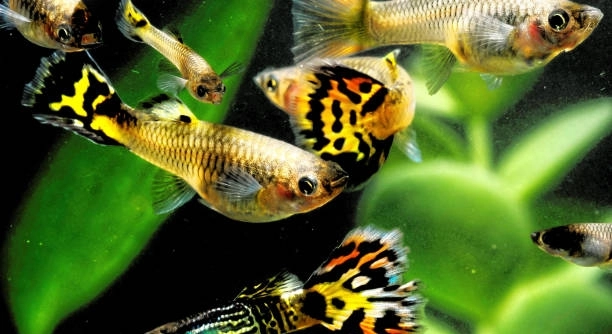
Guppy fry are delicate creatures, and it’s common to notice them appearing weak and lethargic. Identifying the causes can help improve their health and vitality, ensuring they grow strong in your aquarium.
Weakness and lethargy in guppy fry are often caused by poor water quality, improper feeding, disease, or stress. Other factors, such as overcrowding, genetics, and insufficient light, can also contribute to their sluggish behavior.
Understanding the underlying reasons for this condition will help you provide the necessary care and adjustments to improve the health of your guppy fry.
Poor Water Quality
Water quality plays a crucial role in the health of guppy fry. If the water is contaminated with excess waste, ammonia, or nitrates, fry can become stressed, weak, and lethargic. These toxins affect their ability to thrive, causing them to struggle in their environment. Regular water changes are necessary to maintain water quality. Testing the water frequently for harmful substances will help detect problems early.
To improve water quality, ensure proper filtration and maintain a consistent cleaning schedule. A filter that works well for fry tanks should be gentle, as strong currents can stress them. Additionally, introducing live plants can help absorb excess nutrients and provide hiding spaces for the fry.
Stabilizing the water temperature is another factor that can prevent guppy fry from becoming weak. Fry are sensitive to extreme temperature fluctuations. A heater with a thermostat can help regulate the tank temperature, ensuring the fry are kept in a stable and comfortable environment.
Improper Feeding
Fry require specific nutrients to grow and stay healthy. Feeding them inappropriate food or not providing enough nourishment can lead to weak and lethargic behavior. Ensure you are feeding them small, nutrient-rich food designed for fry, like infusoria or powdered fry food.
Feeding too much or too little can also impact their development. Overfeeding leads to uneaten food, which deteriorates water quality. On the other hand, underfeeding leaves them malnourished, which can stunt their growth and cause them to appear weak.
Stress
Stress is a major factor in the lethargy of guppy fry. Factors such as overcrowding, aggressive tankmates, or sudden changes in the environment can overwhelm them. Stress weakens their immune system, making them more susceptible to illness and inactivity.
Fry that are constantly exposed to stress may stop eating and hide more often, which slows their growth. Stress from frequent handling or tank disturbances should be minimized. Creating a calm, secure environment with minimal disturbances will help reduce stress levels and promote better health. Regular observation of their behavior can help spot stress signs early.
Maintaining proper tank conditions, such as sufficient hiding spots and low noise levels, encourages fry to feel safe. Using gentle filtration and avoiding overcrowding also limits stress. The fry should be allowed time to adapt to any changes in their habitat to avoid triggering unnecessary stress responses.
Disease
Diseases such as fin rot, internal parasites, and fungal infections can cause guppy fry to become weak. These conditions often manifest through unusual behavior, loss of appetite, and lethargy. Early detection is crucial in treating sick fry.
Maintaining tank cleanliness and ensuring proper water parameters helps reduce the chances of diseases taking hold. If disease does strike, isolating the affected fry in a separate quarantine tank can prevent it from spreading to other fry. Additionally, treating with appropriate medications as soon as symptoms appear increases the chances of recovery.
Regularly checking for signs of disease, such as faded color, lesions, or erratic swimming patterns, allows you to address potential health issues before they become severe.
Overcrowding
Overcrowding can lead to weak, lethargic guppy fry. When there are too many fry in a tank, it causes poor water quality and increases stress levels. This stunts their growth and impacts their energy levels.
A crowded tank can lead to competition for food and space, which further weakens fry. Properly spacing the fry gives them room to grow and reduces the risk of aggressive behavior or stress. Keeping the tank at an appropriate stocking level ensures the fry have a healthy environment to thrive in.
Genetics
Genetics plays a role in the overall health of guppy fry. Some fry may be more prone to weakness or lethargy due to inherited traits. Weak genetics can affect their growth and resistance to disease.
While genetics cannot be controlled, selecting healthy parent guppies can help reduce the chances of weak fry. Additionally, careful breeding practices, such as avoiding inbreeding, can help improve the chances of stronger, more robust fry.
FAQ
Why are my guppy fry not eating?
Guppy fry may stop eating due to stress, poor water quality, or illness. If the tank is overcrowded or if the water parameters are off, they may refuse food. Stress from aggressive tankmates or sudden changes can also affect their appetite.
Make sure the water is clean, with stable temperature and pH levels. Try offering freshly hatched brine shrimp or specialized fry food to entice them. Additionally, observe for signs of disease, such as fading color or erratic swimming, which could indicate health issues. Remove any sick fry from the main tank to avoid spreading potential illnesses.
How can I tell if my guppy fry is sick?
Sick guppy fry often exhibit specific signs, including lethargy, loss of color, or a failure to swim normally. They may stay near the bottom of the tank, have clamped fins, or show abnormal growth patterns.
Checking water quality and observing the fry closely is essential. If you notice any of these symptoms, quarantine the affected fry immediately and consider treating with medications designed for fry. Keeping the tank clean and providing high-quality food can help prevent diseases from spreading.
What is the ideal temperature for guppy fry?
Guppy fry thrive in temperatures between 75°F and 80°F (24°C to 27°C). Temperatures outside of this range can cause stress and hinder their growth. Fry are particularly sensitive to sudden temperature changes, which can make them weak and lethargic.
Using a reliable heater and thermometer to maintain a stable temperature is crucial. Avoid placing the tank in areas where temperature fluctuations are common, such as near windows or vents. Keeping the water at the right temperature promotes healthy growth and active behavior in the fry.
How often should I feed guppy fry?
Guppy fry should be fed small amounts several times a day. It’s best to feed them 2-3 times a day, ensuring that the food is small enough for them to eat. Overfeeding can lead to water quality issues, while underfeeding can cause stunted growth and weakness.
Start by offering live foods like infusoria or freshly hatched brine shrimp. As they grow, you can introduce powdered or finely crushed flakes. Always monitor their behavior to ensure they are eating well and adjust feeding times accordingly.
Can guppy fry recover from being lethargic?
Yes, guppy fry can recover from lethargy if the underlying issue is addressed. If the lethargy is caused by poor water quality, stress, or improper feeding, making the necessary adjustments can lead to a noticeable improvement.
Cleaning the tank, improving the diet, and reducing stressors should help the fry regain their energy. If the lethargy is due to disease, treatment with appropriate medications and isolating sick fry may be necessary. Monitoring their progress is essential to ensure recovery.
How can I prevent guppy fry from getting weak?
Maintaining a clean tank with stable water parameters is the most effective way to prevent weakness in guppy fry. Regular water changes, proper filtration, and a balanced diet are all important factors.
Ensure that the fry are not overcrowded, and provide enough hiding spaces to reduce stress. Monitoring their behavior and health regularly helps detect issues early. Good breeding practices, such as avoiding inbreeding, also play a role in producing stronger fry.
Can I keep guppy fry with adult guppies?
It’s not recommended to keep guppy fry with adult guppies unless they are large enough to avoid being eaten. Adult guppies may see the fry as food, especially if they are not given sufficient hiding spots.
If you want to keep the fry with adults, ensure there are enough plants or decorations for the fry to hide in. Alternatively, you can separate the fry into their own tank until they grow large enough to coexist with the adults safely.
How can I tell the difference between male and female guppy fry?
At a very young age, it’s difficult to differentiate between male and female guppy fry. However, as they grow, you’ll notice males developing a more colorful body and a longer, pointed tail fin, while females are larger and less colorful.
The best time to identify the gender of guppy fry is around 4 to 6 weeks of age. Males will begin showing their distinct colors, while females will stay more subdued in color. The females will also develop a gravid spot near their abdomen when they mature.
What is the best tank size for guppy fry?
A small tank, around 5 to 10 gallons, is ideal for a small group of guppy fry. This size allows for enough space for the fry to swim and grow without being overcrowded. However, the size of the tank should also depend on the number of fry in the aquarium.
Having a larger tank may also help with water quality management, as larger volumes of water are more stable. Ensure the tank has a gentle filter to avoid strong currents that could stress the fry. Regular water changes are essential for maintaining a healthy environment.
Can I raise guppy fry without a filter?
While it is possible to raise guppy fry without a filter, it is much harder to maintain water quality. Without a filter, waste can quickly accumulate, leading to poor water conditions and potentially harming the fry.
If you choose not to use a filter, you will need to do frequent water changes to keep the tank clean. However, using a gentle filter helps maintain consistent water quality, which is crucial for the health and development of guppy fry.
Final Thoughts
Caring for guppy fry can be rewarding, but it requires attention to detail and a commitment to maintaining proper tank conditions. Weak or lethargic fry can be the result of a variety of factors, including poor water quality, overcrowding, stress, disease, or improper nutrition. Identifying the root cause is essential for ensuring the health and survival of your fry. By addressing these issues early, you can help your fry thrive and grow into healthy adult guppies.
Maintaining a stable and clean environment is the key to avoiding many of the common problems that affect guppy fry. Regular water changes, monitoring temperature and pH levels, and ensuring the tank is not overcrowded will go a long way in preventing health issues. Additionally, offering a varied and nutritious diet will promote strong growth and vitality. If you observe any signs of illness, it’s important to act quickly to prevent the spread of disease. Providing a stress-free environment with plenty of hiding spaces and minimal disturbances will also support their overall well-being.
Raising healthy guppy fry takes patience and care, but the rewards are worth it. By staying vigilant and attentive to their needs, you can ensure that your fry grow into strong, active guppies. Remember, every guppy is unique, and their health is a reflection of the care they receive. With the right approach, your guppy fry will flourish, creating a vibrant and lively aquarium for you to enjoy.

Hello,
If you enjoy the content that we create, please consider saying a "Thank You!" by leaving a tip.
Every little bit helps us continue crafting quality advice that supports the health, happiness, and well-being of pets around the world, for pets of all shapes, sizes, and species.
We really appreciate the kindness and support that you show us!