
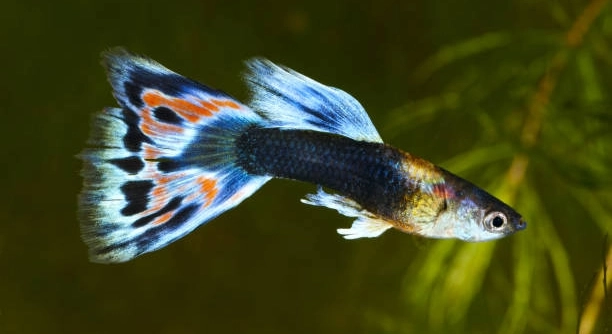
Guppy fry are adorable little fish, and it can be concerning when they swim strangely. Understanding their behavior helps ensure they grow up healthy and strong in your aquarium. Keep reading to learn more.
There are several reasons guppy fry may swim strangely, including poor water conditions, stress, or health issues like swim bladder problems. Addressing these factors promptly will help restore their normal swimming patterns and overall well-being.
Knowing what could be causing the unusual swimming will help you make the right adjustments. Keep reading to find out what you can do to improve their environment.
Water Quality and Its Impact on Swimming
Poor water quality is one of the most common reasons for unusual swimming behavior in guppy fry. If your tank water has high levels of ammonia, nitrites, or low oxygen, it can cause discomfort for the fish. When fry are stressed from poor water conditions, they may swim erratically or struggle to maintain balance.
Ensuring clean, well-oxygenated water is essential for your guppy fry’s health. Regular water changes and using a proper filtration system can prevent many swimming issues.
Make sure to test the water regularly using a water test kit. This helps you monitor the levels of ammonia, nitrites, and nitrates. The ideal water conditions for guppy fry include a temperature of 75-80°F, pH between 7.0 and 8.0, and low ammonia and nitrite levels. Consistent water changes and proper filtration help prevent water quality problems from affecting your fry. Poor water conditions can stunt growth and even lead to death if not addressed quickly. Keeping the environment stable is key to ensuring your guppy fry swim happily and healthily.
Stress from Tankmates
Stress caused by aggressive tankmates can also affect the swimming behavior of guppy fry. If they feel threatened, they might swim frantically or hide.
Be mindful of the other fish in the tank. Aggressive fish can cause guppy fry to swim abnormally. If the situation isn’t addressed, it may lead to more severe stress-related health issues.
Swim Bladder Issues
Swim bladder issues are a common cause of abnormal swimming in guppy fry. This condition occurs when the swim bladder, which helps the fish stay buoyant, is damaged or malfunctioning. When this happens, the fry may float sideways, struggle to stay afloat, or swim in circles.
To help a guppy fry with swim bladder problems, you can try adjusting the water temperature. A slight increase can sometimes help, as warmer water aids in digestion and can help the fry regain normal swimming patterns. Ensure the fry have access to clean water, as poor water quality can worsen the issue.
In more severe cases, the fry may need special care. Some aquarists suggest feeding them a small amount of cooked peas, as it can help clear any blockages that might be contributing to swim bladder issues. If the problem persists, isolating the affected fry in a separate tank and closely monitoring them may help. Preventative measures include maintaining stable water conditions and avoiding overfeeding, which can cause digestive issues and contribute to swim bladder problems.
Overfeeding
Overfeeding guppy fry is another common reason for strange swimming. When fry eat more than they need, uneaten food can pollute the water, leading to poor water quality. Additionally, overfed fry might struggle with digestion, affecting their ability to swim properly.
To avoid overfeeding, stick to feeding small amounts of food multiple times a day. Make sure to remove any uneaten food promptly to keep the water clean. A healthy balance of food is crucial for their growth and development.
Overfeeding can also lead to bloating and constipation, both of which can affect swimming. Bloating can cause the fry to swim with difficulty or appear sluggish. If you notice your fry seem bloated or are swimming awkwardly, try fasting them for a day and see if their condition improves. Providing a varied diet and monitoring how much they consume will help you prevent overfeeding and ensure your fry swim normally.
Temperature Fluctuations
Sudden changes in water temperature can cause stress and lead to strange swimming behavior in guppy fry. They may swim erratically or appear to be struggling to stay afloat if the water is too cold or too hot.
To maintain stable water conditions, keep the temperature within the ideal range for guppy fry (75-80°F). Use a reliable aquarium heater to help prevent sudden drops or rises in temperature, especially in colder months.
Extreme temperature fluctuations can weaken the fry’s immune system and make them more vulnerable to illness. This can also affect their swimming ability. Regularly check the water temperature to ensure a stable environment.
Poor Nutrition
Poor nutrition can lead to weak, unhealthy guppy fry that swim abnormally. Without the proper nutrients, their development can be stunted, affecting their overall health.
Ensure that your fry are getting a balanced diet with high-quality food. Offer finely crushed flakes, specialized fry food, or live food like brine shrimp to promote healthy growth and swimming.
Fry that don’t receive enough nutrition may swim sluggishly, lose their buoyancy, or fail to grow at a normal rate. Make sure to feed them appropriately-sized portions multiple times a day to meet their nutritional needs and encourage normal behavior.
Infections or Illnesses
Guppy fry are prone to infections, and diseases can cause them to swim weirdly. If your fry have an infection, they may display unusual swimming patterns such as jerky movements or floating to one side.
Look for signs of illness such as faded colors, clamped fins, or visible lesions. If you suspect an infection, isolate the affected fry and treat them with an appropriate medication. Prompt action is crucial to prevent the disease from spreading.
FAQ
Why is my guppy fry swimming upside down?
Guppy fry swimming upside down may have swim bladder issues, which prevent them from maintaining proper buoyancy. This could be due to poor water quality, overfeeding, or an injury. To help, adjust the water temperature slightly, ensure the water is clean, and try fasting the fry for a day or two. If the condition persists, isolating the fry and giving them a gentle treatment for swim bladder disorder may help.
Can poor water quality make my guppy fry swim in circles?
Yes, poor water quality can cause stress in guppy fry, leading to strange swimming patterns like swimming in circles. High ammonia or nitrite levels, along with low oxygen, are common offenders. Regular water changes, maintaining proper filtration, and using a water test kit to monitor the tank’s parameters will help improve water quality and prevent this behavior.
How can I tell if my guppy fry is sick?
Sick guppy fry might display several signs like abnormal swimming, faded color, clamped fins, or visible lesions. They may also swim erratically or stay near the surface or bottom of the tank. If you notice these signs, isolate the affected fry and check the water quality. Consult a veterinarian or use a suitable medication if necessary.
What should I feed my guppy fry for healthy growth?
For healthy growth, guppy fry need a nutritious, protein-rich diet. You can feed them crushed flakes, specially formulated fry food, or live foods like brine shrimp or infusoria. These foods help them develop strong muscles and improve swimming skills. Feed small portions several times a day to avoid overfeeding, which can lead to other health issues.
How often should I change the water for my guppy fry tank?
You should change 10-20% of the water in the tank every two to three days. Guppy fry produce a lot of waste, and frequent water changes help maintain a clean environment, preventing diseases and promoting normal swimming behavior. Make sure to monitor the water parameters to keep ammonia, nitrites, and nitrates at safe levels.
Can stress affect my guppy fry’s swimming?
Yes, stress is a major factor in abnormal swimming behavior. Stress can be caused by several factors, such as poor water quality, aggressive tankmates, overcrowding, or sudden temperature changes. Stress weakens the immune system, making the fry more prone to illness and affecting their normal swimming patterns. Addressing the root cause of the stress is important for their well-being.
How do I fix swim bladder problems in guppy fry?
To fix swim bladder issues, start by improving the water quality, adjusting the water temperature, and reducing feeding to avoid bloating. Sometimes, fasting the fry for a day or two can help clear blockages. If the problem persists, consider isolating the fry in a separate tank and treating them with special medications for swim bladder disorders.
Why do my guppy fry swim in a straight line but upside down?
If your guppy fry swim upside down in a straight line, it could indicate a serious swim bladder issue or a neurological problem. Poor water quality and overfeeding are common causes of swim bladder issues, so ensuring clean water and adjusting their diet might help. If the behavior continues, consider isolating the fry for further treatment.
How long does it take for guppy fry to swim normally?
Under normal conditions, guppy fry begin to swim within 24-48 hours after birth. However, if there are issues with water quality, nutrition, or health, it may take longer for them to start swimming properly. Maintaining stable water conditions, proper feeding, and avoiding overfeeding will help your fry swim normally sooner.
Can guppy fry swim if the water is too cold?
Guppy fry may have difficulty swimming if the water is too cold. Cold water can slow down their metabolism and cause them to become lethargic or struggle with buoyancy. The ideal water temperature for guppy fry is between 75-80°F. Use an aquarium heater to ensure the temperature remains stable and within the right range for healthy swimming.
Should I separate sick guppy fry from the others?
Yes, separating sick guppy fry from the rest of the tank is important to prevent the spread of potential diseases. Isolate the affected fry in a hospital tank with clean water and monitor them closely. This will allow you to treat them more effectively and keep the other fry healthy.
How can I help my guppy fry grow faster?
To help your guppy fry grow faster, provide them with a balanced and nutrient-rich diet. Offer high-quality fry food, brine shrimp, or infusoria to ensure they get enough protein. Also, keep the water clean, maintain proper filtration, and make sure the water temperature is ideal for their growth. Frequent feeding and stable conditions help them develop faster.
What causes guppy fry to swim in one spot?
Guppy fry that swim in one spot might be stressed, dealing with poor water quality, or experiencing swim bladder issues. It could also indicate that the fry are weak or ill. Check the water parameters, ensure the tank is clean, and observe if there are any other signs of health problems.
Final Thoughts
It’s important to understand that abnormal swimming in guppy fry is often a sign that something in their environment needs attention. Whether it’s poor water quality, overfeeding, or a health issue like a swim bladder problem, addressing the root cause is key to helping your fry recover. As a fish keeper, keeping a close eye on the water conditions, the tankmates, and the behavior of the fry will help you spot any issues early. Healthy fry will swim smoothly and show normal development, so changes in their swimming patterns should be taken seriously.
Making sure the water is clean and properly filtered should be one of your top priorities. Regular water changes and using a good filtration system will help keep harmful toxins like ammonia and nitrites at bay. It’s also essential to monitor the water temperature and pH levels, as fluctuations can stress the fry and impact their health. Proper nutrition is just as important, so make sure to feed them the right amount and the right kind of food. Offering a variety of high-quality foods will support their growth and help them develop strong muscles, which in turn improves their swimming.
Lastly, understanding that guppy fry are fragile and require extra care during their early stages is crucial. Even small changes in the tank environment can affect their behavior, so be patient and proactive. If you notice unusual swimming, don’t panic, but investigate the possible causes. With the right approach and prompt action, most swimming issues can be resolved, ensuring your guppy fry grow into healthy, vibrant adults. Keep the tank environment stable, avoid overfeeding, and monitor their behavior closely to give them the best chance at thriving.

Hello,
If you enjoy the content that we create, please consider saying a "Thank You!" by leaving a tip.
Every little bit helps us continue crafting quality advice that supports the health, happiness, and well-being of pets around the world, for pets of all shapes, sizes, and species.
We really appreciate the kindness and support that you show us!