
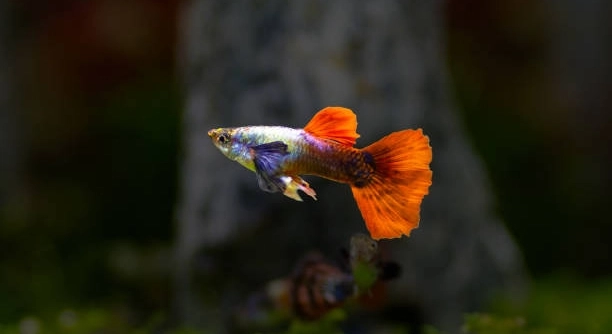
Guppy fry are delicate creatures, and sometimes their swimming behavior may seem unusual. Understanding the possible causes can help ensure their health and well-being. If you’re noticing odd movements, it’s important to take action early.
Several factors can cause guppy fry to swim strangely. These include water quality issues, poor nutrition, tank conditions, or even genetic factors. Infections, stress, and improper water temperature can also contribute to abnormal swimming behavior.
Addressing these issues can improve your guppy fry’s health. Keep reading for the most common reasons behind this behavior and how to solve them.
Poor Water Quality
Water quality is one of the leading causes of strange swimming behavior in guppy fry. Fry are especially sensitive to changes in water conditions, which can cause stress and abnormal movements. Ammonia and nitrite levels should be kept as close to zero as possible, as they can be toxic. Inconsistent pH levels, improper hardness, or dirty water can also make your fry swim erratically.
Even slight fluctuations in water temperature can have an effect on guppy fry. A well-maintained filtration system and regular water changes are crucial to keep their environment healthy. Ensure the water temperature stays between 72°F and 78°F (22°C to 26°C) for optimal health.
To fix this, test your water regularly, clean the tank, and consider adding a water conditioner if needed. If your fry are swimming strangely, it’s essential to address the water quality first, as a poor environment can lead to lasting health issues.
Poor Nutrition
Another key reason for unusual swimming is poor nutrition. Guppy fry need a balanced diet to grow and develop properly. If they aren’t getting enough nutrients, their energy levels drop, and their swimming may appear weak or disjointed.
Fry require tiny, easily digestible foods like baby brine shrimp, finely crushed flakes, or specialized fry food. Without proper nutrition, they can become malnourished, affecting their ability to swim normally. Make sure to provide the right type and amount of food.
It’s important to offer small meals throughout the day. Overfeeding can also lead to water contamination, so only feed what they can consume in a few minutes.
Tank Conditions
Improper tank conditions can significantly affect guppy fry’s swimming behavior. Fry need plenty of space and hiding spots to feel safe. A crowded tank or lack of cover can cause stress and strange movements. Overcrowding leads to competition for food and oxygen, further weakening their ability to swim properly.
A well-maintained tank should have appropriate filtration and aeration. Ensure that the tank is not too small, and that there’s adequate water circulation. Providing plants or decorations can help create hiding places, which will make the fry feel more secure and reduce stress. Without these, fry may swim erratically as they try to avoid perceived dangers.
Tank size plays a major role in your fry’s overall well-being. Larger tanks offer more space for swimming and healthier water conditions, which are essential for the fry’s development. Avoid placing too many fish in one tank, and keep the environment clean with regular maintenance.
Stress and Predators
Stress from other tank mates or environmental factors can result in unusual swimming patterns. Guppy fry are particularly sensitive to predators, including adult fish or aggressive tank mates. Even the presence of larger fish can cause them to swim erratically.
Additionally, sudden changes in their environment, such as loud noises, vibrations, or strong light, can also trigger stress. A stressed fry may display erratic swimming as it tries to escape what it perceives as a threat. Stress affects their growth, and if not addressed, it can lead to long-term health issues.
To reduce stress, make sure to separate the fry from aggressive or larger fish. Use a breeding net or separate tank to keep them safe. Providing a quiet, stable environment is key to reducing stress and ensuring healthy, smooth swimming behavior.
Water Temperature
Water temperature plays a big role in how guppy fry swim. If the water is too cold or too hot, it can cause their movements to become sluggish or erratic. Fry are especially sensitive to temperature changes, which can stress them out and disrupt normal swimming patterns.
Keeping the water temperature stable is key. Guppy fry thrive best in a range of 72°F to 78°F (22°C to 26°C). Use a reliable heater and thermometer to monitor the temperature, adjusting as necessary. Sudden shifts in temperature can cause the fry to swim strangely or become lethargic, so consistency is important.
To prevent this, set the heater at a steady temperature and check it regularly. Make sure there are no drafts or direct sunlight hitting the tank, as these can cause fluctuations.
Infections and Diseases
Infections or diseases can make guppy fry swim strangely. Bacterial or parasitic infections often affect fry, causing them to swim erratically, rub against objects, or stay near the water surface. This abnormal behavior usually indicates discomfort or a need for treatment.
If you notice signs of illness like bloating, discoloration, or unusual movements, it’s time to check the water quality and isolate any sick fry. Treating the infection promptly can prevent it from spreading to healthy fish. Infected fry may become lethargic or stop eating altogether, so quick action is crucial to their survival.
Be sure to maintain a clean tank environment, as poor water quality can weaken fry and make them more susceptible to diseases.
Genetic Factors
Genetic issues can also cause abnormal swimming in guppy fry. Some fry may inherit weak or defective genes, leading to physical impairments or awkward swimming patterns. These issues often become more noticeable as the fry grow and develop.
Though you can’t always prevent genetic defects, selecting healthy breeding pairs can help reduce the likelihood of passing on undesirable traits. If genetic problems arise, it’s important to monitor your fry’s behavior closely. Sometimes, fry with genetic defects may not survive long-term, but in some cases, they may grow to adapt and swim more normally with time.
FAQ
Why is my guppy fry swimming in circles?
Guppy fry swimming in circles is often a sign of either stress or an environmental issue. It could be a result of poor water quality, temperature fluctuations, or lack of space in the tank. Another possibility is that the fry are struggling with an infection, which could affect their coordination.
To address this, first check the water parameters, including pH, ammonia, nitrites, and temperature. If these factors are within the ideal range, inspect your fry for any signs of illness, such as discoloration or erratic behavior. Additionally, overcrowding or lack of hiding spaces in the tank can stress the fry, so consider reducing the number of fish or adding more plants or decorations for them to hide in.
Why are my guppy fry swimming at the surface?
When guppy fry swim at the surface of the tank, it typically means they are struggling to get enough oxygen. This behavior can also indicate that the water quality is poor, or the fry are stressed. Sometimes, fry will swim near the surface if the tank’s water temperature is too high.
To solve this, ensure your filtration system is working properly and providing enough oxygen in the tank. If needed, add an air stone or adjust the water flow to promote better aeration. Regular water changes are essential to maintaining a healthy environment for your fry. If the temperature is too high, try adjusting it to the recommended range of 72°F to 78°F (22°C to 26°C).
Is it normal for guppy fry to swim upside down?
No, it is not normal for guppy fry to swim upside down. This could be a sign of an underlying health issue, such as swim bladder disorder, which affects their buoyancy. This condition can be caused by water temperature changes, infections, or poor nutrition.
If your fry are swimming upside down, check the water conditions to ensure they are stable. A swim bladder issue might resolve itself if the environment improves. However, if the problem persists, it’s best to isolate the affected fry and treat them with the appropriate medication or adjust their diet. In severe cases, it may be due to genetic defects, which cannot be treated.
Can poor water quality cause guppy fry to swim strangely?
Yes, poor water quality is one of the main reasons guppy fry swim strangely. When the water is contaminated with ammonia, nitrites, or other toxins, it can cause stress, making fry swim erratically. Additionally, a lack of proper filtration can lead to poor oxygen levels, affecting their movement.
To prevent this, regularly test your water for harmful chemicals and ensure the filter is working correctly. Perform regular water changes to maintain water quality. Ensure your fry are in a tank with the right size filter for their number, and monitor ammonia levels closely.
How can I tell if my guppy fry are sick?
Guppy fry can show various signs of illness, including erratic swimming, lack of appetite, discoloration, or staying at the bottom of the tank. If they swim strangely or show any unusual behavior, this could be an indication of stress or illness.
Look for other symptoms such as white spots, bloating, or fin clamping, which may suggest a bacterial or parasitic infection. It’s important to isolate any affected fry and treat them as soon as possible to prevent the spread of illness to healthy fish. Monitoring water quality and temperature can also help prevent future outbreaks.
Why do guppy fry swim in place and not move around much?
Guppy fry swimming in place, particularly near the surface or at the bottom, may be experiencing stress or discomfort. This behavior can happen when water quality is poor, or they are not getting enough oxygen.
To fix this, check the water conditions. Make sure the fry are not overcrowded and have adequate space to swim. Ensure the tank has proper filtration and aeration to promote healthy movement. Additionally, make sure the fry are receiving a balanced diet to support their growth and energy levels.
How can I improve the swimming behavior of my guppy fry?
Improving the swimming behavior of your guppy fry starts with creating a stable, healthy environment. First, ensure that the water quality is optimal by regularly testing and changing the water. Maintain a stable temperature in the range of 72°F to 78°F (22°C to 26°C), as extreme temperatures can affect their movement.
Providing plenty of space and hiding spots in the tank is also essential. Overcrowding can cause stress and limit swimming freedom. Regular feeding of nutritious foods and avoiding overfeeding will help maintain energy levels, keeping your fry active. A quiet, low-stress environment will encourage better swimming behavior overall.
Can tank decorations affect how guppy fry swim?
Yes, tank decorations can affect how guppy fry swim. A tank with plenty of plants and hiding spots can create a more natural environment, which helps fry feel secure and reduces stress. However, too many decorations can make the tank overcrowded and limit swimming space.
It’s important to strike a balance with tank decorations. Plants and rocks can provide necessary cover and encourage natural behavior, but make sure the fry have enough open space to swim around freely. Avoid sharp or dangerous objects that could harm the fry.
Final Thoughts
Understanding why your guppy fry are swimming strangely is essential for their health and well-being. There are several factors that can contribute to unusual swimming behavior, such as poor water quality, incorrect water temperature, or even stress from overcrowding. By identifying these issues early on, you can take steps to correct them and provide a better environment for your fry. This will help them grow strong and healthy while minimizing the risk of disease or deformities.
Regular water testing, monitoring the tank temperature, and ensuring your fry have enough space to swim freely are some of the most important aspects of keeping them healthy. It’s also important to provide them with a balanced diet and keep the tank clean. If you notice signs of illness or abnormal behavior, act quickly to isolate any affected fry and treat them accordingly. By keeping a close eye on their behavior and environment, you can prevent many common problems that affect guppy fry.
While it’s normal for guppy fry to experience some changes in their swimming patterns as they grow, prolonged or unusual behavior could be a sign of underlying health issues. Understanding the potential causes of strange swimming patterns, such as genetic defects, infections, or environmental factors, will allow you to address problems more effectively. With the right care, your guppy fry should develop into healthy adults, and you’ll gain a deeper understanding of how to create the best possible conditions for their growth and development.

Hello,
If you enjoy the content that we create, please consider saying a "Thank You!" by leaving a tip.
Every little bit helps us continue crafting quality advice that supports the health, happiness, and well-being of pets around the world, for pets of all shapes, sizes, and species.
We really appreciate the kindness and support that you show us!