
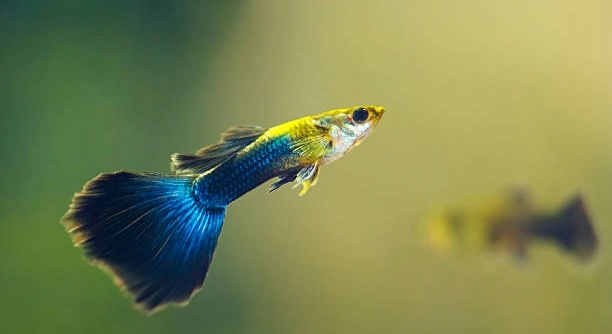
Guppy fry are often energetic, darting around in their tank. However, if you notice them swimming in circles, it can indicate an issue that needs addressing. Understanding the causes behind this behavior can help you manage it effectively.
The most common causes of guppy fry swimming in circles include water quality issues, stress, or internal parasites. Poor water conditions can lead to erratic swimming, while stress or illness may make the fry behave abnormally.
Addressing these issues will help ensure the well-being of your fry. Understanding the causes behind this behavior can make a significant difference in keeping your guppy fry healthy and thriving.
Water Quality Problems
When water quality is poor, your guppy fry might start swimming in circles. High levels of ammonia, nitrites, or nitrates can irritate their gills and cause them to behave abnormally. Fry are more sensitive to poor water quality than adult fish, so regular water changes and proper filtration are essential to their health.
To maintain a healthy environment for your guppy fry, make sure you test the water regularly. The pH, temperature, and hardness should also be monitored to keep everything balanced. A well-maintained aquarium will not only help your fry avoid swimming in circles but also promote their overall well-being. It’s important to use a water testing kit to keep track of the levels of toxins in the water.
In addition to regular water changes, a good filter will help remove excess waste. Fry are more vulnerable to water fluctuations, so keeping their environment stable is key. If the water conditions improve, the erratic swimming behavior should subside, signaling a healthier habitat.
Stress and Overcrowding
Overcrowding can stress your guppy fry, which may lead to abnormal swimming. The small size of fry makes them more vulnerable to the stress caused by too many tankmates.
If you notice your fry swimming erratically, it could be because they feel cramped. Reducing the number of fish in the tank can give them more space to move freely. A smaller group of fry is less likely to feel threatened or stressed.
Internal Parasites
Internal parasites can cause your guppy fry to swim in circles. These parasites affect their digestive system, making them feel uncomfortable or even causing them to lose their balance. If your fry are displaying abnormal swimming patterns, parasites may be the reason.
To prevent parasites, it’s important to keep your tank clean and avoid introducing infected fish. Quarantining new fish before adding them to the tank can help prevent the spread of parasites. If you notice unusual behavior, consider using medicated food or aquarium treatments specifically designed for fry. Always follow the instructions carefully to avoid harming your fish.
It’s essential to maintain a healthy diet for your fry to support their immune system. Feed them high-quality foods like live or frozen brine shrimp and daphnia. This can help reduce the risk of infection and ensure they are strong enough to fight off any parasites that might enter the tank.
Temperature Fluctuations
Temperature fluctuations can also make guppy fry swim in circles. Guppy fry are sensitive to temperature changes, and sudden drops or increases can cause them to become stressed or disoriented.
Maintaining a stable water temperature is crucial for fry health. Use an aquarium heater with a thermostat to ensure the temperature stays within the ideal range of 75-80°F (24-27°C). Avoid placing the tank in an area with direct sunlight or near a heater, as these can lead to temperature spikes. Regularly check the water temperature using a thermometer to ensure it’s consistent.
If you’ve noticed erratic swimming due to temperature fluctuations, adjusting the heater or relocating the tank to a more stable area can often resolve the issue. The fry will likely return to normal behavior once the water temperature stabilizes.
Overfeeding
Overfeeding can lead to water quality issues, which in turn can cause your guppy fry to swim in circles. Leftover food decomposes in the tank, producing toxins that affect the fry’s behavior.
Make sure you’re feeding the fry small amounts of food they can consume in a few minutes. Remove any uneaten food promptly to prevent it from fouling the water. Adjust the feeding schedule according to the fry’s growth and activity levels. Overfeeding can be a common mistake, but it’s easy to fix by managing the amount of food provided.
Overfeeding not only disrupts water quality but also affects the fry’s health. When they are fed too much, the excess food creates excess waste. This can lead to an increase in ammonia levels, resulting in an unhealthy environment for the fry. Keep track of the amount of food you’re giving them and monitor the water quality regularly to ensure their health.
Poor Tank Maintenance
Poor tank maintenance often results in an unhealthy environment for your guppy fry. Dirty tanks, insufficient filtration, and irregular water changes can all contribute to abnormal swimming behaviors.
Keeping your tank clean and well-maintained is crucial for the health of your fry. Regularly clean the tank walls, substrate, and filter to avoid the build-up of waste. Schedule weekly water changes and monitor ammonia and nitrate levels to ensure a healthy environment. This simple maintenance routine can prevent swimming in circles and other health issues for your fry.
FAQ
Why are my guppy fry swimming in circles?
Swimming in circles can be caused by several factors, including poor water quality, overcrowding, parasites, stress, or temperature fluctuations. It’s essential to check your tank conditions, including ammonia, nitrite, and nitrate levels. If the water quality is not ideal, consider doing a water change and adjusting the filtration system. If overcrowding is an issue, reduce the number of fry in the tank to give them more space. Stress and poor diet can also be contributing factors. Keeping the tank conditions stable and feeding a proper diet will help ensure the fry swim normally.
How can I fix water quality issues for my guppy fry?
To fix water quality issues, start by doing a partial water change. Use a good-quality water conditioner to remove harmful substances like chlorine and chloramine from tap water. Check the ammonia, nitrite, and nitrate levels regularly, as these can rise quickly in a fry tank. If needed, install a better filtration system or increase the water flow to keep the environment clean. Always ensure the water is properly cycled before adding new fish, and monitor the water conditions frequently to prevent any future issues. Regular water changes and good filtration are essential.
How often should I change the water in my guppy fry tank?
Water changes should be done every 2-3 days for guppy fry. Since fry are sensitive to poor water quality, frequent changes help maintain a stable and healthy environment. The amount of water to change depends on the size of the tank, but a 20-30% water change is a good rule of thumb. Make sure the new water matches the temperature and pH level of the tank to avoid shocking the fry. A more frequent schedule will help keep the water clean and prevent the build-up of toxins that could lead to abnormal swimming or illness.
Can temperature fluctuations cause my guppy fry to swim in circles?
Yes, temperature fluctuations can cause abnormal behavior in guppy fry. They are sensitive to sudden changes in water temperature, which can lead to stress and disorientation. Guppy fry thrive in stable temperatures between 75-80°F (24-27°C). If the temperature drops or rises unexpectedly, it can cause them to swim in circles. Make sure the tank has a reliable heater and thermometer to maintain a consistent temperature. Avoid placing the tank in direct sunlight or near any heat sources that could lead to fluctuating temperatures.
What should I do if my guppy fry have parasites?
If you suspect your guppy fry have internal parasites, it’s important to act quickly to prevent the spread of the infection. You can treat your fry with medicated food or aquarium treatments designed for parasites. Be sure to follow the instructions carefully, as treatments can vary in dosage and duration. It’s also essential to quarantine any new fish before introducing them to the tank to avoid further contamination. In the future, maintain a clean tank and provide a healthy diet to strengthen the fry’s immune system and prevent future infections.
How can I tell if my guppy fry are stressed?
Stress in guppy fry can be shown by erratic swimming, such as swimming in circles or darting around the tank. Other signs of stress include pale coloring, loss of appetite, or hiding in corners. Stress can result from poor water quality, overcrowding, or an unbalanced diet. To reduce stress, make sure the tank conditions are ideal, provide enough space for the fry, and avoid handling them too much. A calm, stable environment will help your fry feel safe and reduce their stress levels.
Why are my guppy fry not eating properly?
There are several reasons why guppy fry may not be eating properly. If the water quality is poor, the fry might lose their appetite. Inadequate food, or the wrong type of food, can also cause this issue. Guppy fry need small, high-quality food such as newly hatched brine shrimp or micro pellets. Check that the water temperature and pH levels are suitable for the fry’s age and size. If you notice a lack of appetite, try adjusting their diet or ensuring that they are not being stressed by other tankmates or poor tank conditions.
Is overcrowding a common problem for guppy fry?
Yes, overcrowding is a common problem for guppy fry. When there are too many fry in a small space, they may become stressed, which can cause them to swim in circles or display other abnormal behaviors. Overcrowding also affects water quality, as more fish mean more waste, which can lead to ammonia and nitrite build-up. To avoid overcrowding, make sure your tank is large enough for the number of fry you have. If necessary, move some fry to a separate tank to ensure they have enough space to grow and develop healthily.
Can overfeeding affect my guppy fry’s swimming behavior?
Overfeeding can definitely impact your guppy fry’s swimming behavior. When there is excess food in the tank, it breaks down and pollutes the water, which can lead to poor water quality. This, in turn, can cause abnormal swimming patterns, including circling. Overfeeding can also lead to health problems in fry, such as bloating or poor digestion. Make sure to feed only what your fry can eat in a few minutes, and remove any leftover food promptly to maintain water quality. Feeding small amounts multiple times a day can also help prevent overfeeding.
How do I prevent my guppy fry from getting sick?
To prevent illness in guppy fry, focus on maintaining optimal water quality, proper diet, and stable tank conditions. Regularly test the water and perform water changes as needed to keep the tank clean. Feed high-quality foods appropriate for fry, like live or frozen brine shrimp, and avoid overfeeding. Keep the fry’s tank away from any sources of stress, such as overcrowding or sudden temperature fluctuations. Monitoring their health and making adjustments to their environment can help keep them safe from sickness and ensure they grow into healthy adult guppies.
Final Thoughts
Guppy fry swimming in circles can be concerning, but it’s often a sign that something in their environment needs attention. By understanding the common causes behind this behavior, you can address the issue effectively and restore normal swimming patterns. The most common causes are poor water quality, stress, overcrowding, and parasites. It’s crucial to keep the water clean, monitor tank conditions regularly, and make sure your fry have enough space to grow.
Addressing water quality is one of the most important steps you can take. Poor water conditions can quickly harm the delicate guppy fry, causing them to behave erratically. Make sure to test the water for ammonia, nitrite, and nitrate levels and perform regular water changes to keep toxins at bay. Additionally, avoid overfeeding, as leftover food will pollute the water and contribute to the problem. Healthy water is the foundation of a thriving aquarium, and it’s essential to keep it well-maintained for the well-being of your fry.
By managing tank conditions, feeding properly, and creating a calm environment, you can prevent and fix abnormal swimming behavior in guppy fry. A well-maintained tank with proper water filtration, a stable temperature, and an appropriate number of fry will go a long way in ensuring healthy and happy guppies. Always be vigilant about changes in behavior and take swift action when needed. This proactive approach will not only help with swimming issues but also promote the long-term health of your guppy fry.

Hello,
If you enjoy the content that we create, please consider saying a "Thank You!" by leaving a tip.
Every little bit helps us continue crafting quality advice that supports the health, happiness, and well-being of pets around the world, for pets of all shapes, sizes, and species.
We really appreciate the kindness and support that you show us!