
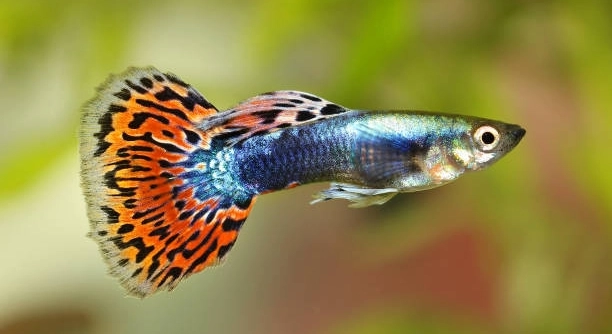
Guppy fry are delicate creatures, and it’s not uncommon to see them struggling to swim. It can be worrying when you notice this behavior, as it might indicate a problem with their health or environment.
Guppy fry may struggle to swim due to various reasons, including water quality issues, improper tank temperature, poor diet, or the presence of other tankmates. Additionally, genetics, illness, and developmental problems can contribute to these difficulties.
Understanding the causes behind your guppy fry’s struggles will help you take the right steps toward improving their health and swimming ability. We will explore the main reasons that could be affecting your fry’s swimming.
Water Quality Issues
Water quality is one of the most significant factors affecting the swimming ability of guppy fry. If the water in your tank is polluted, too acidic, or too basic, it can severely impact the health of your fry. Guppy fry are especially sensitive to ammonia, nitrites, and nitrates. Poor filtration or infrequent water changes can cause these harmful substances to build up, making it difficult for the fry to swim properly. Additionally, if the water temperature fluctuates too much or is too cold, it can cause stress and hinder their movement.
To keep your guppy fry healthy, it’s essential to monitor water parameters regularly. Using a water testing kit will help you check the levels of ammonia, nitrites, and nitrates. A good filtration system is also important, as it will help keep the water clean and oxygenated. It’s best to perform partial water changes frequently to ensure the water stays fresh and safe for your fry.
Keeping water conditions stable and clean is key for your fry’s well-being. This simple step can prevent many potential issues and help them swim more confidently.
Temperature Concerns
Guppy fry need a stable water temperature to grow and thrive. A sudden drop or rise in temperature can cause stress and affect their ability to swim. Guppies generally do best in water between 72°F and 78°F. If the temperature is too low, their metabolism slows down, and they may become sluggish. On the other hand, high temperatures can cause oxygen levels to drop, making it harder for your fry to breathe and swim properly.
To maintain the right temperature, you may want to invest in an aquarium heater. Heaters with thermostats allow you to set a precise temperature. Regularly check the water temperature using a thermometer to avoid sudden changes. A stable and warm environment is essential for healthy, active guppy fry.
Poor Diet
A poor diet can cause guppy fry to become weak and struggle to swim. Fry need a special, nutrient-rich diet to grow properly. If they don’t get enough food or the right type, their energy levels will drop, leading to lethargy and weak swimming. Inadequate nutrition can stunt their growth and affect their muscle development.
For healthy fry, provide them with high-quality, finely crushed fry food or live food like infusoria or newly hatched brine shrimp. Avoid feeding them adult food, as it may be too large or not suitable for their small mouths. Make sure to feed them several small meals throughout the day to ensure they are getting enough nutrients to grow strong and active.
Feeding your guppy fry a balanced diet can help them develop their swimming ability and overall health. A well-fed fry is more likely to grow into a healthy, active adult guppy.
Tankmates
If you have other fish in the tank, it’s important to consider how they interact with the fry. Some tankmates may be too aggressive or predatory, making the fry stressed or even causing injury. Stress from more dominant fish can prevent guppy fry from swimming freely. Even peaceful species may inadvertently crowd the fry, causing them to be constantly on edge.
It’s recommended to keep guppy fry in a separate breeding tank or at least provide them with hiding spots and space away from more mature fish. You could also consider placing mesh dividers or using a breeder box to keep them safe from aggressive or larger fish. This will allow them to swim freely and grow without constant stress from tankmates.
Protecting fry from other fish is essential to keep them healthy and active. The fewer disruptions, the better for their growth and development.
Genetics
Sometimes, the reason your guppy fry are struggling to swim comes down to genetics. Weak swimming abilities can be inherited from the parents, particularly if there are any underlying genetic issues in the breeding line. This can result in fry that are less active or have developmental problems.
If the fry continue to struggle, it may be best to reconsider the breeding pair. Inbreeding or poor genetic stock can lead to weaker fry overall, affecting their survival rate and swimming capabilities. Selecting healthy, strong guppies for breeding can reduce the chances of this happening.
Illness
Illness is another reason guppy fry may struggle with swimming. Parasites, bacteria, or internal infections can make fry weak and unable to move properly. If you notice other symptoms like discoloration, bloating, or unusual behavior, illness could be the cause.
Treating the illness with the appropriate medication can help your fry recover and regain strength. However, isolating the sick fry from healthy ones is crucial to prevent spreading. Maintaining good water quality and reducing stress are essential for preventing illness in the first place.
Tank Size
The size of the tank plays a role in how well guppy fry can swim. If the tank is too small or overcrowded, fry may not have enough space to move around freely. Limited swimming space can cause stress and even stunt their growth.
A larger tank allows fry to spread out, swim more actively, and develop properly. It also helps maintain better water quality by preventing overcrowding. If your tank feels cramped, consider upgrading to a larger one to ensure the fry can grow up in a more comfortable environment.
FAQ
Why are my guppy fry swimming upside down?
If your guppy fry are swimming upside down, it could be a sign of a swim bladder issue or poor water quality. Swim bladder disorders are common in fish and can cause them to lose control of their buoyancy. This can happen due to overfeeding, stress, or an underlying infection. Check the water parameters and ensure they are within safe ranges. A diet of high-quality food in the right amounts can help avoid swim bladder problems. If the issue persists, consider treating the fry with appropriate medications or separating them to reduce stress.
Can poor water quality kill guppy fry?
Yes, poor water quality can kill guppy fry. Guppy fry are especially sensitive to ammonia, nitrites, and high nitrate levels. If the water becomes too polluted, it can lead to respiratory problems, weakened immune systems, and even death. Regular water testing and performing partial water changes can help maintain a safe environment for your fry. If water quality problems are detected, address them immediately to prevent further harm to your guppy fry.
How often should I feed my guppy fry?
Guppy fry should be fed small amounts several times a day. In the first few weeks, they require more frequent feedings to ensure proper growth and development. Offering food 3-4 times a day, in small portions that they can consume in a few minutes, is ideal. Overfeeding can lead to water quality issues, while underfeeding can stunt their growth. As the fry grow older, you can reduce the feeding frequency to 2-3 times a day.
What is the best temperature for guppy fry?
The ideal water temperature for guppy fry is between 72°F and 78°F (22°C and 25°C). Guppies thrive in warmer waters, and fry are particularly sensitive to temperature fluctuations. A stable temperature helps maintain their metabolism and ensures they grow at a healthy rate. Using an aquarium heater with a thermostat can help regulate the temperature, especially in cooler rooms. Keeping the temperature within the recommended range can prevent lethargy and support better swimming abilities.
How can I prevent my guppy fry from being stressed?
Stress in guppy fry can cause them to swim poorly or even stop eating. To prevent stress, ensure the water quality is excellent, with low levels of ammonia, nitrites, and nitrates. Avoid overcrowding the tank and provide hiding spots or plants where the fry can feel secure. Additionally, avoid sudden temperature changes, loud noises, or aggressive tankmates, all of which can cause stress. A peaceful, stable environment will help your fry grow more confidently and stay healthy.
Why are my guppy fry swimming in circles?
Swimming in circles can be a sign of stress, illness, or water quality problems. It may indicate that the fry are struggling to maintain balance due to poor swim bladder function or an infection. If the water quality is poor, this could lead to disorientation and erratic swimming patterns. Ensure proper water maintenance and check for signs of illness or parasites. If you suspect a swim bladder issue, feeding your fry in moderation and avoiding overfeeding can help prevent such problems.
Can guppy fry live with adult guppies?
It’s not recommended to keep guppy fry with adult guppies unless the fry are large enough to avoid being eaten. Adult guppies may see smaller fry as food, especially if they are hungry. To protect your fry, it’s best to keep them in a separate tank or breeder box until they grow large enough to safely coexist with the adults. In the meantime, the fry can be fed a specialized diet, while the adults can continue eating their regular food.
How do I know if my guppy fry are healthy?
Healthy guppy fry should be swimming actively, have a good appetite, and show no signs of illness. Their colors should be bright, and they should not appear lethargic or bloated. If they seem weak or are struggling to swim, it could indicate water quality issues, illness, or improper nutrition. Regular monitoring of the fry’s behavior and water quality is essential to ensure they remain healthy. If any abnormalities arise, it’s important to address them quickly to prevent further issues.
What are the signs of illness in guppy fry?
Common signs of illness in guppy fry include swimming erratically, discoloration, loss of appetite, bloating, or visible lesions on the body. If your fry are isolating themselves from the group or are not moving around much, it could indicate an underlying health issue. It’s crucial to identify the symptoms early and separate the sick fry from the healthy ones to avoid spreading any potential diseases. Proper water quality, isolation, and targeted medication are necessary to treat the illness.
How can I improve the swimming ability of my guppy fry?
To improve the swimming ability of your guppy fry, make sure they are in optimal water conditions, with a stable temperature and low levels of harmful substances like ammonia or nitrites. Providing them with a healthy diet and ensuring they have enough space to swim freely will also help. Reducing stress and preventing overcrowding will ensure they grow stronger and more active. With proper care, your guppy fry should develop the strength and coordination to swim confidently.
Final Thoughts
Caring for guppy fry can be both rewarding and challenging, especially when they start showing signs of struggling to swim. Many factors can contribute to this issue, from poor water quality to improper diet or tank conditions. The most important thing is to observe your fry closely and assess their environment regularly. Keeping the water clean, maintaining a stable temperature, and providing a nutritious diet are key steps in ensuring the health and well-being of your guppy fry. If you notice any signs of illness or stress, it’s important to address the issue right away before it worsens.
Understanding the common causes of swimming difficulties in guppy fry, such as water quality issues, improper tankmates, and genetics, can help you prevent problems before they arise. Regular water testing, proper feeding habits, and choosing healthy, compatible tankmates can go a long way in promoting the overall health of your fry. Additionally, keeping the tank environment stable and free from sudden temperature changes will help reduce stress, which can also impact their swimming abilities. With a little attention and care, your guppy fry will grow into strong, active fish.
While it may seem overwhelming at times, maintaining a healthy environment for your guppy fry doesn’t need to be complicated. By following the basics of good tank maintenance and providing them with proper care, your fry will have the best chance of growing into healthy adult guppies. Keeping a watchful eye on their behavior and addressing any issues quickly will ensure that you can enjoy watching them thrive and swim with ease. Over time, you’ll become more familiar with their needs, making it easier to ensure they stay healthy and happy.

Hello,
If you enjoy the content that we create, please consider saying a "Thank You!" by leaving a tip.
Every little bit helps us continue crafting quality advice that supports the health, happiness, and well-being of pets around the world, for pets of all shapes, sizes, and species.
We really appreciate the kindness and support that you show us!