
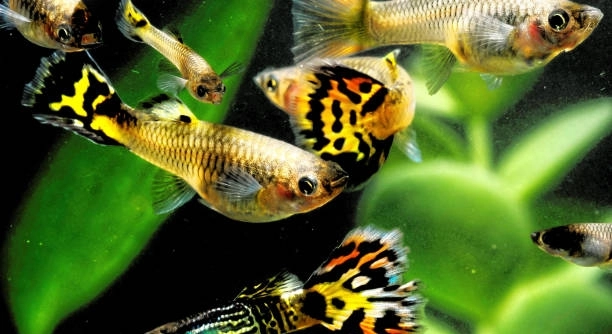
Guppy fry are often seen sticking to the glass, a common behavior that can be concerning for many aquarium owners. It may seem unusual at first, but there are several reasons behind this behavior that are easy to understand.
There are several reasons why guppy fry stick to the glass, including seeking stability, comfort, or oxygen. In some cases, fry may find safety in the glass’s surface, while environmental factors like water quality or current also play significant roles.
Understanding the causes behind this behavior can help you create a better environment for your fry. By addressing the factors involved, you can ensure a healthier, more comfortable living space for them.
1. The Environment’s Impact on Guppy Fry Behavior
Guppy fry may stick to the glass to seek stability. Aquariums can be dynamic environments with water currents, temperature changes, and varying oxygen levels. Fry are particularly sensitive to these factors during their early stages. They often find solace in sticking to surfaces like glass, which offers a stable spot in the water. This behavior can also help them avoid strong currents that may disrupt their movement. It is important to maintain a stable environment to ensure fry feel safe and are able to thrive. Water quality, temperature, and filtration should all be carefully monitored to create a comfortable setting.
Water stability is crucial for the fry’s development. If the current is too strong or water conditions are poor, they will cling to the glass to find peace.
A tank with balanced conditions will give guppy fry the best chance to grow healthily. Proper filtration, stable water temperature, and oxygen-rich water ensure they are not overly stressed and can feed easily. Fry that feel safe are more likely to swim freely, showing natural behaviors.
2. The Role of Water Quality in Fry Behavior
Water quality has a direct impact on fry behavior. When water quality is poor, guppy fry may become stressed and cling to surfaces. Fry that are exposed to ammonia, nitrites, or harmful bacteria may exhibit this behavior more frequently. Keeping the tank clean and ensuring the water parameters are within the right range can help the fry feel secure and promote normal swimming. Regular water changes, testing water levels, and avoiding overfeeding are essential in maintaining water quality.
The stability of water conditions is key to a stress-free environment for guppy fry.
When water quality fluctuates or becomes contaminated, it affects the fry’s comfort and health. Poor water conditions can lead to weaker immune systems, stunted growth, and even death. A proper filtration system and routine maintenance are the best ways to avoid water quality issues.
3. Water Temperature and Its Effect on Guppy Fry
Water temperature plays a big role in guppy fry behavior. If the water is too cold or too hot, fry may become sluggish and stick to surfaces like the glass. Maintaining a stable temperature range of 76-80°F is essential for their well-being. Fry in temperatures outside this range may struggle to thrive.
When water temperature fluctuates, fry may become stressed and seek stability. Extreme temperatures can lead to slower growth or even health issues. A heater is essential to keep the water temperature consistent, ensuring the fry remain active and comfortable. Monitoring this with a thermometer will help maintain a healthy environment.
Fry are particularly sensitive to temperature changes during their early life stages. If the tank is too cold, their metabolism slows down, affecting feeding and growth. If the tank is too hot, it may lead to oxygen depletion, stressing the fry. Keeping the temperature stable helps avoid these issues.
4. The Role of Oxygen Levels in Fry Behavior
Low oxygen levels can lead to fry sticking to the glass in search of better airflow. When oxygen is insufficient, guppy fry may stay near the surface or cling to surfaces to breathe easier. Maintaining proper oxygenation ensures that the fry can swim freely and remain healthy.
Inadequate oxygen levels can cause fry to become lethargic. Fry often stick to surfaces in an attempt to get closer to the air source. A good filtration system with air stones or a sponge filter will help maintain the oxygen level. By providing proper water movement and oxygen, fry can move more freely and exhibit natural behaviors.
Poor oxygenation can also affect feeding habits and growth. Fry that are stressed from lack of oxygen may avoid eating or even show signs of stunted growth. Regular water changes and proper aeration help ensure that the fry have enough oxygen to thrive.
5. Guppy Fry Seeking Safety and Comfort
Fry instinctively seek safety from potential threats. The glass offers a stable, protective surface where they feel secure. Sticking to it gives them a sense of refuge from potential predators or disturbances in the tank. Fry are vulnerable and prefer stillness to avoid stress.
This behavior is quite natural for guppy fry as they are not yet strong swimmers. They are often looking for places to hide, and the glass offers a safe spot away from the tank’s more active areas. Ensuring that fry have enough hiding spots in the tank will help reduce their stress.
While the fry may seem stuck to the glass, they are simply trying to feel secure. Their survival instincts guide them to cling to surfaces that offer stability. Creating a peaceful, low-stress environment helps them grow and become more confident swimmers over time.
6. Overcrowding and Its Effects on Guppy Fry
Overcrowding can cause stress in guppy fry, pushing them to find refuge on the glass. In cramped conditions, fry may feel threatened and look for any surface where they can find some peace. Ensuring the tank isn’t overcrowded helps prevent this behavior.
An overcrowded tank limits the fry’s space to swim and can lead to aggression or competition for resources. By maintaining a reasonable number of fry in the tank, they can move freely and exhibit more natural behaviors. Giving them space to grow will ensure better overall health and comfort.
7. Uneven Water Flow and Fry Behavior
Uneven water flow, created by poorly positioned filters or pumps, can cause fry to stick to the glass. They are drawn to calm areas where the current is not too strong. Fry will search for stability away from high water flow zones, clinging to surfaces to avoid being swept away.
FAQ
Why are my guppy fry always sticking to the glass?
Guppy fry often stick to the glass to find stability and comfort. In the early stages of their life, they are particularly sensitive to their environment. The glass offers a calm, stable surface where they can avoid strong currents, predators, or disturbances in the tank. This behavior is a natural instinct to seek safety and maintain balance in the water. Additionally, water quality, temperature, and oxygen levels can influence their tendency to cling to the glass, as they may do so in response to stressful conditions.
Is it bad if my guppy fry stick to the glass?
Not necessarily. It’s common for guppy fry to stick to the glass, especially in the early stages of their development. However, if they do this excessively, it could indicate stress due to poor water conditions, temperature imbalances, or overcrowding. Fry that feel unsafe or uncomfortable may gravitate towards areas of the tank where they can find peace, such as the glass. While it’s normal behavior, paying attention to their environment and ensuring optimal water conditions can help reduce the time they spend clinging to surfaces.
How can I improve my guppy fry’s tank conditions?
Improving your guppy fry’s tank conditions starts with maintaining stable water parameters. Regular water changes, ensuring the water temperature stays between 76-80°F, and using a good filtration system will make a big difference. Test the water regularly to ensure that the ammonia and nitrite levels are at safe levels, and that the tank’s pH is neutral. It’s also important to provide adequate oxygenation in the tank with air stones or sponge filters, which can help fry swim freely and avoid clinging to the glass.
What water temperature is best for guppy fry?
The best water temperature for guppy fry is between 76-80°F (24-27°C). Fry are more sensitive to temperature fluctuations, and the ideal range will help them grow and develop properly. If the water is too cold, it can slow down their metabolism, making them sluggish. On the other hand, if the temperature is too high, it can deplete oxygen levels and cause stress. Keeping the water temperature stable within this range ensures the fry remain active and healthy.
Can overcrowding cause my guppy fry to stick to the glass?
Yes, overcrowding can definitely contribute to fry sticking to the glass. When there are too many fry in the tank, they feel cramped, stressed, and may struggle to find enough space to swim freely. Overcrowded tanks also lead to competition for food and oxygen, which can make the fry more anxious. Providing enough space for each fry to grow and move around is crucial for their well-being. A general guideline is to have 1-2 fry per gallon to avoid overcrowding.
What should I do if my guppy fry look stressed?
If your guppy fry appear stressed, the first step is to check the water conditions. Test for ammonia, nitrites, and pH levels to ensure they are within the correct range. Also, make sure the temperature is stable and appropriate for fry. If you find any issues, take action immediately by adjusting the water conditions, adding aeration, or performing a partial water change. Reducing the number of fish in the tank can also help if overcrowding is the problem. Providing hiding spots, such as plants or decorations, can also give the fry a sense of security.
Can I use a heater for my guppy fry tank?
Yes, using a heater in your guppy fry tank is recommended, especially if the temperature fluctuates frequently in your environment. Heaters help maintain a consistent temperature, which is essential for fry growth and health. Make sure to use a reliable aquarium heater with an adjustable thermostat, so you can easily control the water temperature. It’s also important to monitor the temperature with a thermometer to ensure the water stays within the 76-80°F range.
How can I tell if my guppy fry are healthy?
Healthy guppy fry should appear active, swimming around the tank with ease, and eating well. They should not appear sluggish or have visible signs of illness, such as fading color or abnormal swimming patterns. Healthy fry also show a healthy appetite, readily feeding on crushed flakes, baby brine shrimp, or other small food types. Their bodies should be free from sores, lesions, or any visible deformities. Regularly observing their behavior and eating habits will help you keep track of their health.
Why are my guppy fry not growing well?
There are several potential reasons why guppy fry may not be growing well. Poor water quality, including high levels of ammonia or nitrites, can stunt their growth. Incorrect water temperature, either too cold or too hot, may also hinder growth. Overcrowding and insufficient food are other common factors. To ensure proper growth, check your water parameters, maintain a stable temperature, and provide appropriate food for the fry. Regular water changes and adequate space will also help support their development.
How can I make sure my guppy fry are getting enough oxygen?
To ensure your guppy fry have enough oxygen, you can use a sponge filter or air stone. These devices help create gentle water movement and increase oxygen levels without causing strong currents. Fry are more sensitive to high water flow, so it’s important to avoid powerful filters that could push them around the tank. Regular water changes and proper filtration also improve oxygenation by removing excess waste and maintaining clean water. Keep an eye on the fry to ensure they aren’t clinging to the glass due to low oxygen levels.
Final Thoughts
Understanding why guppy fry stick to the glass can help you create a healthier environment for them. This behavior is often a sign of the fry seeking safety, comfort, or stable conditions. It’s important to monitor the water temperature, oxygen levels, and the overall health of the tank to make sure they are in an ideal setting. Ensuring that these factors are optimized will not only reduce the time they spend clinging to surfaces but also promote their natural development.
By addressing issues like overcrowding, water quality, and temperature fluctuations, you can improve the overall well-being of your guppy fry. Fry that are provided with enough space, proper filtration, and stable water conditions will become more active, feeding properly and swimming freely. If you notice your fry sticking to the glass too often, it may indicate an underlying issue that needs to be addressed promptly. Checking water parameters regularly and making adjustments as necessary can prevent long-term stress and encourage healthy growth.
In the end, your guppy fry’s behavior is a reflection of their environment. Small adjustments to tank conditions can go a long way in improving their health and overall behavior. It’s essential to monitor them closely and provide a stress-free environment to help them thrive. With proper care, your guppy fry will grow into healthy, active adult guppies, showing off vibrant colors and natural behaviors.

Hello,
If you enjoy the content that we create, please consider saying a "Thank You!" by leaving a tip.
Every little bit helps us continue crafting quality advice that supports the health, happiness, and well-being of pets around the world, for pets of all shapes, sizes, and species.
We really appreciate the kindness and support that you show us!