
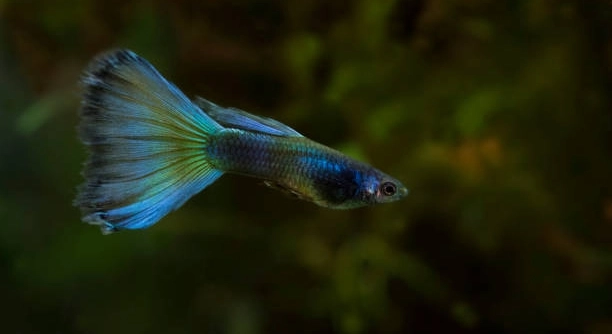
Guppy fry are tiny and delicate creatures, often leaving us concerned when we notice them staying still. Understanding why this happens can help you ensure they grow healthy and happy in their environment.
The most common reasons for your guppy fry staying still include stress, improper water conditions, or health issues. If they aren’t moving, it may also be due to exhaustion or lack of food. Monitoring their environment can help.
Addressing these issues can help you maintain a thriving tank and provide a better environment for your guppy fry. Understanding the cause behind their stillness ensures their long-term well-being.
Stress and Fear
Stress is one of the most common reasons why guppy fry stay still. New fry can feel overwhelmed by changes in their environment, such as new tank mates, unfamiliar objects, or changes in water conditions. Even the presence of a larger fish can trigger fear, causing them to freeze in place as a defense mechanism. Fry are particularly sensitive to environmental stressors, as they are still adapting to life outside the protective environment of the mother.
Fry who are stressed may also exhibit other behaviors like erratic swimming or hiding. It is important to monitor the tank for any potential triggers and remove them if possible.
To minimize stress, try to provide a peaceful, stable environment. Use plants and decorations to create hiding spaces and reduce the chances of stress. Make sure the tank is properly cycled, and avoid introducing new fish too quickly. A calm and predictable environment helps your guppy fry feel more secure and encourages healthy growth.
Poor Water Conditions
Water quality is critical to the health of your guppy fry. If the water is too warm, too cold, or contains high levels of ammonia or nitrates, it can make fry lethargic and unresponsive. Poor water conditions cause stress and can lead to health issues like weak immune systems or poor growth. Regular water changes and monitoring your tank’s water parameters, like pH, temperature, and hardness, are essential.
When the water is not ideal, fry may stay still, either to conserve energy or because they are uncomfortable. Fry need clean, stable water to thrive, as their immune systems are not fully developed. Keeping their environment pristine is one of the best ways to prevent inactivity.
Lack of Food or Improper Diet
If your guppy fry aren’t eating enough, they may stay still due to lack of energy. Fry require a diet rich in nutrients for proper growth and development. If the food isn’t small enough or accessible, they may become lethargic or unable to swim properly.
Guppy fry have tiny stomachs, so it’s important to feed them small, frequent meals. Make sure the food you offer is suitable for their size and nutritional needs. You can try feeding them specialized fry food or finely crushed flakes. Ensuring they have enough food available throughout the day will help them stay active.
Fry can be picky eaters, and some might not recognize larger food particles. Using a high-quality liquid fry food or feeding live micro-foods like baby brine shrimp can encourage them to eat. Additionally, overfeeding can also pollute the water, so careful portion control is necessary. Keeping them well-fed helps maintain their energy levels and encourages normal swimming behavior.
Temperature Imbalance
Water temperature plays a huge role in the health of guppy fry. If the tank is too cold or too hot, fry may appear inactive. Guppies are tropical fish, and their fry need temperatures between 76°F and 80°F (24-27°C) to thrive. Anything outside this range can slow their metabolism and cause them to stay still.
If the water is too cold, fry may become sluggish, and their immune systems will weaken. In contrast, excessively warm water can lead to stress and overcrowding of the tank, as well as make the fry less active. Check your heater regularly and ensure it’s functioning correctly.
A consistent, stable temperature helps the fry grow and remain active. To prevent temperature fluctuations, you might want to consider a heater with a thermostat to maintain the tank’s warmth. Additionally, placing the tank away from direct sunlight or cold drafts helps keep the temperature stable, further encouraging your fry to stay active and healthy.
Health Problems
Guppy fry can become still if they are suffering from health issues like parasites or infections. Common symptoms include lethargy, poor swimming, and loss of appetite. If untreated, these issues can severely affect their behavior and overall well-being. It’s important to closely monitor fry for any signs of illness.
Proper water care and isolation of sick fry can help prevent the spread of diseases to the rest of the tank. In some cases, treating the entire tank with appropriate medication may be necessary. Always consult a veterinarian or fish expert before medicating your fry to ensure proper treatment.
Overcrowding
Overcrowding in the tank can make fry feel stressed and stagnant. When there are too many fry in a small space, they may become inactive, unable to swim freely. This often leads to competition for food and oxygen, further causing them to stay still and conserve energy.
To prevent overcrowding, regularly check your fry’s population and separate them into different tanks if necessary. Providing enough space for each fry helps reduce stress and promotes healthy growth. Proper filtration and oxygenation will also support a more active environment for your guppy fry.
FAQ
Why is my guppy fry not swimming around?
If your guppy fry isn’t swimming around, it could be due to stress, poor water conditions, or an improper diet. Stressful changes, such as new tank mates, can cause fry to freeze in place. Likewise, poor water quality or temperature imbalances can lead to lethargy. Fry that are not eating enough or getting the right food may also become inactive. Make sure the tank conditions are optimal, with stable water temperature and good filtration. Offering appropriate food in small, frequent meals will encourage movement.
How can I tell if my guppy fry is sick?
A sick guppy fry may show signs of inactivity, loss of appetite, or poor swimming. It may also have visible symptoms like lesions, white spots, or swollen areas. If your fry stays still for long periods or doesn’t eat, it’s important to check water quality first. If everything seems fine but the fry continues to be lethargic, it may need treatment. Look for signs of external parasites, fungus, or internal issues like bloating. Isolating sick fry and seeking advice from a fish expert will help in managing the problem.
Is it normal for guppy fry to stay still after birth?
Yes, it is normal for guppy fry to stay still after birth. When they are first born, they are tiny and weak, and they often need time to adjust to their new environment. They may stay close to the bottom of the tank or hide for protection. This behavior is part of their survival instincts. As long as the water conditions are good and they are eating, they will become more active over time. It’s important to avoid stressing them with sudden changes in the environment.
How can I make sure my guppy fry are eating enough?
To ensure your guppy fry are eating enough, feed them small amounts of food multiple times a day. Use foods designed for fry, such as liquid fry food, baby brine shrimp, or crushed flake food. Make sure the food is small enough for their tiny mouths. Avoid overfeeding, as it can pollute the water, but also ensure there is always enough food available for them to eat. Keep an eye on their behavior after feeding; active fry are likely getting enough nutrition.
Can my guppy fry survive without a filter?
While guppy fry can technically survive in a tank without a filter, it’s not ideal. A filter helps maintain water quality by removing waste, excess food, and other debris, all of which can cause water pollution. Fry are very sensitive to water quality, so without proper filtration, the water can quickly become toxic, leading to lethargy or illness. If you don’t have a filter, frequent water changes will be necessary to keep the tank clean. Alternatively, you can consider using a sponge filter, which is gentle enough for fry while still providing necessary filtration.
What is the best water temperature for guppy fry?
The ideal water temperature for guppy fry is between 76°F and 80°F (24-27°C). Water that is too cold or too hot can slow their metabolism, making them sluggish. Cold water can also weaken their immune systems, leaving them more vulnerable to illness. Ensure that the water temperature remains stable and consistent, as sudden fluctuations can cause stress and inactivity in fry. Using a reliable aquarium heater with a thermostat can help maintain the correct temperature for healthy fry growth.
Why are my guppy fry staying in one spot in the tank?
Guppy fry staying in one spot could be a sign of several issues, such as stress, poor water conditions, or illness. It’s crucial to check for any sudden changes in the environment, like new tank mates, water temperature, or food. Stress from overcrowding can also cause fry to stay still, as they might be too afraid to move. Inactive fry may also be suffering from a disease or lack of proper food. Ensure that the tank has plenty of hiding spots, is free from stressors, and has good water quality.
How long will my guppy fry stay still after birth?
Guppy fry generally stay still for a few hours to a day after birth, while they adjust to their new surroundings. This is completely normal as they are still weak and rely on the protection of their mother’s absence. During this time, they may swim only short distances or hide among plants or substrate. As they gain strength and get accustomed to their environment, they will start swimming around more. If your fry are staying still for longer than expected, it might be worth checking the water quality or ensuring they are getting enough food.
Final Thoughts
Guppy fry are delicate creatures that require special care during their early days of life. If you notice your fry staying still, it’s important to assess their environment and health. Several factors can contribute to their inactivity, including stress, poor water conditions, temperature imbalances, or inadequate food. By understanding these potential issues, you can take the necessary steps to create a better environment for your fry to thrive.
Ensuring your tank has the right temperature, clean water, and enough space will go a long way in promoting healthy behavior in your guppy fry. Water quality is especially important. High levels of ammonia, nitrites, or nitrates can cause lethargy and stress in fry. Regular water changes and proper filtration will help keep their environment clean. Be sure to check the temperature regularly and maintain it within the recommended range of 76°F to 80°F (24-27°C). Stable conditions help fry feel secure and encourage them to be more active.
If you find that your guppy fry continue to stay still despite addressing water quality and feeding, you may need to look into their overall health. Illness or parasites can make them sluggish and weak. In such cases, isolating sick fry and treating them as needed can help prevent further problems. Being patient and observing your fry will help you better understand their needs and provide them with a comfortable space to grow. By maintaining a clean, stable tank and monitoring their health, you’ll give your guppy fry the best chance at a healthy, active life.

Hello,
If you enjoy the content that we create, please consider saying a "Thank You!" by leaving a tip.
Every little bit helps us continue crafting quality advice that supports the health, happiness, and well-being of pets around the world, for pets of all shapes, sizes, and species.
We really appreciate the kindness and support that you show us!