
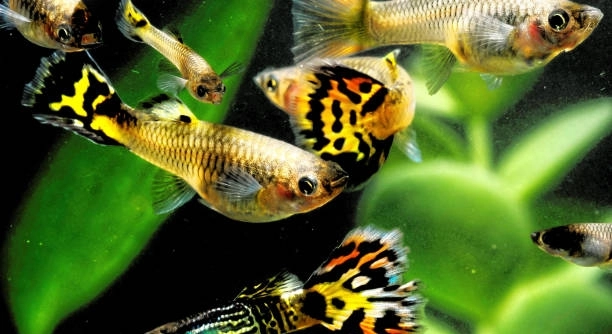
Guppy fry are delicate creatures that can sometimes display unusual behaviors. One of these is staying at the bottom of the tank, which can be concerning for new aquarists. Understanding why this happens is key to helping them thrive.
Several factors can cause guppy fry to stay at the bottom of the tank, including stress, water quality, or improper tank conditions. Fry may also stay at the bottom if they are sick, lack food, or feel threatened by other tank mates.
These causes can be managed with some careful adjustments to your tank setup and care routine. Knowing how to address these issues ensures your guppy fry will grow healthy and active.
Poor Water Quality
The water quality in your tank is one of the most important factors in keeping guppy fry healthy. Fry are more sensitive to water conditions than adult fish, and poor water quality can quickly lead to them staying at the bottom of the tank. Things like high ammonia levels, fluctuating pH, and improper temperature can cause stress and discomfort, leading fry to hide or remain inactive.
To prevent this, maintain a clean tank by doing regular water changes. Keep the water temperature stable, ideally between 76°F and 80°F. Test water parameters regularly and use a good filtration system to ensure proper circulation.
Maintaining stable, clean water encourages guppy fry to swim actively. Poor water conditions not only affect their behavior but can also cause long-term health issues. Regular monitoring and maintenance are essential to prevent unnecessary stress for your fry.
Stress from Other Fish
Guppy fry may stay at the bottom of the tank if they feel threatened. Larger or more aggressive fish in the tank can make them nervous, causing them to seek shelter on the tank floor.
It’s important to keep fry with peaceful tank mates that won’t intimidate them. Adding hiding spots, such as plants or decorations, can also provide them with a sense of safety, helping them stay active and confident. Fry need time to adjust and grow before they can keep up with adult guppies. Keeping them in a separate breeding tank or providing more hiding places reduces stress and helps them thrive.
Temperature Fluctuations
If the temperature in your tank fluctuates too much, guppy fry may stay at the bottom. Fry are sensitive to changes in temperature, and too hot or too cold water can cause stress. This can lead to them becoming lethargic and hiding.
To avoid temperature fluctuations, use a reliable aquarium heater. Set it to maintain a steady temperature of 76°F to 80°F. Make sure the heater is functioning correctly and avoid placing the tank near windows or air vents. A stable environment helps your fry stay active and healthy.
Even slight changes in temperature can impact your fry’s activity levels. By ensuring a consistent temperature range, you create a more comfortable environment for them to swim and grow. Fry that are kept at optimal temperatures are less likely to stay at the bottom of the tank.
Lack of Food
When guppy fry don’t get enough food, they may become weak and stay at the bottom. Fry need to eat small amounts of food multiple times a day to grow strong. If they’re not eating properly, they may lack the energy to swim actively.
Feed your fry high-quality, finely crushed fish food or baby brine shrimp. Make sure the food is small enough for them to eat easily. Overfeeding should also be avoided as it can cause water quality issues, but underfeeding can lead to weak fry.
Regular feeding helps keep fry healthy and active. If they’re not getting enough food, their development will slow down. The right diet ensures your guppy fry are strong enough to swim around freely instead of staying at the bottom.
Illness or Injury
If your guppy fry are sick or injured, they may stay at the bottom of the tank. Illness can cause weakness, making it hard for them to swim. Injuries can also make them feel vulnerable and less likely to move around.
Fry can catch diseases from poor water conditions or stress. Common issues include fungal infections, parasites, or swim bladder problems. Keep an eye on their behavior and look for any signs of illness, such as swelling or abnormal swimming.
Treating any health problems promptly can help your fry recover and get back to normal activity. Ensuring the tank is clean and stress-free will reduce the chances of illness affecting their growth and development.
Overcrowding in the Tank
Overcrowding can stress guppy fry and cause them to stay at the bottom. When there are too many fish in a small space, fry may feel overwhelmed and unable to swim freely.
Reducing the number of fish in the tank or upgrading to a larger tank can help. Fry need enough space to move around and grow without constant competition for resources. Overcrowding often leads to poor water quality, which further adds to the stress.
A spacious tank will allow fry to swim freely, reducing stress and improving their chances of thriving. By maintaining the right balance of fish, your guppy fry will be less likely to remain inactive.
Water Chemistry Issues
Incorrect water chemistry can also cause fry to stay at the bottom of the tank. If the pH level or hardness of the water is not suitable, fry can become stressed and lethargic.
Test the water regularly to ensure the pH is between 7.0 and 7.8. Water hardness should also be appropriate for guppies, as extreme levels can lead to health issues. Adjusting the water chemistry can help create a more comfortable environment for your fry.
FAQ
Why are my guppy fry staying at the bottom of the tank?
Guppy fry may stay at the bottom of the tank due to poor water quality, stress from other fish, or temperature fluctuations. Illness or injury, lack of food, and overcrowding can also cause them to remain inactive. Ensuring clean water, stable temperatures, and proper feeding can help prevent this behavior.
How do I know if my guppy fry are sick?
Sick guppy fry may appear lethargic, swim in circles, or stay at the bottom of the tank. Other signs include faded colors, swelling, or difficulty swimming. If you notice any of these symptoms, check water quality and look for any other abnormal behavior. Consider isolating the sick fry in a quarantine tank to treat them.
Can temperature changes cause guppy fry to stay at the bottom?
Yes, temperature fluctuations can stress guppy fry and cause them to remain at the bottom of the tank. Fry are sensitive to sudden changes in temperature, which can make them lethargic. Maintaining a stable temperature range between 76°F and 80°F is crucial for their health.
How often should I feed guppy fry?
Guppy fry should be fed small amounts multiple times a day, typically 3-4 times. It’s important to provide food they can easily consume, like finely crushed fish food or baby brine shrimp. Overfeeding can lead to water quality issues, but underfeeding can cause weakness and inactivity.
Can overcrowding cause guppy fry to stay at the bottom?
Yes, overcrowding can cause stress in guppy fry, making them less likely to swim and more likely to stay at the bottom. Too many fish in a small tank can lead to poor water quality and lack of space, both of which can negatively impact fry behavior. Consider reducing the number of fish or upgrading to a larger tank.
How can I improve the water quality for guppy fry?
To improve water quality, perform regular water changes (about 25% weekly). Test the water for ammonia, nitrites, and nitrates to ensure they are at safe levels. Keep the tank clean and use a good filtration system to maintain water circulation. This will reduce the stress on your fry and promote their health.
Is it normal for guppy fry to stay at the bottom at night?
Yes, it is normal for guppy fry to rest at the bottom during the night. Like many fish, they need to sleep and may stay still until morning. As long as your fry are active during the day and not exhibiting other signs of distress, this behavior is likely harmless.
What should I do if my guppy fry are not eating?
If your guppy fry are not eating, check for any signs of illness or water quality issues. Fry may refuse food if the water conditions are poor or if they are stressed. Try offering different types of food, such as finely crushed flakes or live brine shrimp. If the problem persists, isolate them in a separate tank and monitor their behavior.
Can guppy fry die from staying at the bottom of the tank?
Guppy fry may not die immediately from staying at the bottom, but it is a sign that something is wrong, such as poor water quality or stress. If left unchecked, the underlying cause could lead to health problems and even death. Addressing the cause early can help prevent long-term damage and ensure your fry remain healthy.
How can I tell if my guppy fry are stressed?
Stressed guppy fry may swim erratically, hide at the bottom, or dart around the tank. They may also appear to be breathing rapidly or lose their bright colors. Stress can be caused by factors like overcrowding, poor water conditions, or aggressive tank mates. Identifying and fixing the stressor can help your fry return to normal behavior.
Why is the water temperature important for guppy fry?
The right water temperature is essential for guppy fry to grow and thrive. If the water is too cold or too hot, fry may become lethargic, weak, or sick. Maintaining a stable temperature range of 76°F to 80°F helps fry stay active and promotes healthy development.
Can I keep guppy fry with adult guppies?
It is generally not recommended to keep very small fry with adult guppies, as the adults may see them as food. However, once the fry are large enough to avoid the adults, you can slowly introduce them into the same tank. Providing hiding spaces can help protect the fry from being eaten.
What is the best tank size for guppy fry?
Guppy fry need enough space to swim and grow. A 10-gallon tank is ideal for a small group of fry, as it offers enough room for them to move around and helps maintain stable water conditions. Larger tanks are always better, but make sure the tank is not overcrowded.
Why are my guppy fry not growing?
Slow or stunted growth in guppy fry can be caused by poor water quality, inadequate food, or overcrowding. Ensure that the tank has stable conditions, proper filtration, and that the fry are fed high-quality food in the right quantities. Poor nutrition or stress can hinder their growth.
How do I care for newly born guppy fry?
Newly born guppy fry require very small, easy-to-eat food like baby brine shrimp or finely crushed fish flakes. Provide plenty of hiding spots to protect them from adult fish. Keep the water temperature stable and ensure the tank is clean to help the fry grow strong and healthy.
Can guppy fry survive in a tank without a filter?
While a filter is highly recommended for maintaining water quality, guppy fry can survive without one if you do frequent water changes. Without a filter, you must be diligent about cleaning the tank and testing the water to prevent the buildup of harmful chemicals.
How do I introduce new fry to the tank?
When introducing new fry to the tank, make sure the water temperature and conditions are similar to the ones they were born in. Gradually acclimate them to the tank by floating the bag they arrived in for 15-20 minutes, allowing the water to adjust. Afterward, release them carefully.
What size tank should I get for adult guppies?
Adult guppies need more space than fry, typically around 1 gallon of water per adult fish. A 20-gallon tank is a good size for 4-6 adult guppies. Larger tanks provide more room for swimming and help maintain water quality, which is essential for their health and well-being.
Final Thoughts
Understanding why guppy fry stay at the bottom of the tank can help you address the issue effectively. It’s important to consider all possible causes, such as poor water quality, temperature fluctuations, overcrowding, or illness. By paying attention to these factors and taking the necessary steps to correct them, you can create a healthier environment for your guppy fry. Keeping their tank clean, ensuring proper water conditions, and providing a stable environment are essential for their well-being and growth.
Remember, guppy fry are sensitive to changes in their surroundings, and small adjustments can make a big difference in their behavior. Regular water changes, monitoring tank temperature, and checking for any signs of illness can prevent many of the issues that lead to fry staying at the bottom. In addition, make sure to provide enough space for them to swim and grow. Overcrowding can cause stress, which may also contribute to this behavior.
Lastly, be patient with your guppy fry. It may take some time to see improvements, but with proper care and attention, they can thrive. Keep an eye on their behavior and make adjustments as needed to ensure their health and happiness. Taking proactive steps will help prevent further issues and give your guppy fry the best chance to grow into healthy adult fish.

Hello,
If you enjoy the content that we create, please consider saying a "Thank You!" by leaving a tip.
Every little bit helps us continue crafting quality advice that supports the health, happiness, and well-being of pets around the world, for pets of all shapes, sizes, and species.
We really appreciate the kindness and support that you show us!