
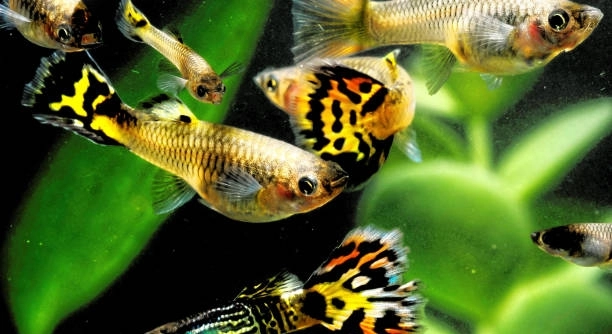
Is your guppy fry not growing as fast as you expected, leaving you unsure about what might be going wrong in the tank?
Guppy fry may grow slowly due to poor water quality, lack of nutrition, overcrowding, stress, low temperature, irregular feeding, or genetic factors. Addressing these conditions can significantly improve their development and overall health.
Several small details can influence how fast your fry grows, and knowing them can help create a better environment in your aquarium.
Poor Water Quality
When the tank water isn’t clean, guppy fry can quickly become stressed or sick, which affects how fast they grow. Ammonia, nitrites, and nitrates can build up fast in small tanks, especially without regular water changes. Guppy fry are more sensitive than adults, and even small changes in the water can make a big difference. Dirty filters or decaying food also add to the problem. Keeping the water clean helps fry eat better, stay active, and grow stronger. A good filtration system and steady maintenance routine can support better growth and reduce health risks for your young guppies.
Clean water supports your fry’s immune system and appetite, which directly affects their growth rate.
Testing the water weekly helps you catch problems early. Aim to keep ammonia and nitrites at zero, and nitrates under 20 ppm. Partial water changes—around 25–30% every few days—keep the tank healthy. Don’t overfeed, and always remove uneaten food.
Lack of Nutrition
Feeding your guppy fry the wrong type of food or not enough can slow their growth a lot.
Newborn guppies need a high-protein diet to grow properly. Crushed flakes alone usually aren’t enough. Fry benefit more from live or frozen foods like baby brine shrimp, microworms, or daphnia. These are rich in protein and easy to digest. Feed them small portions three to five times a day instead of one big feeding. Smaller, more frequent feedings mimic natural feeding behavior and keep their energy steady. Also, make sure the food size matches their tiny mouths. If they can’t eat it, they’ll miss out on important nutrients. As they grow, you can slowly introduce other food types to balance their diet. Proper nutrition during the first few weeks gives them a stronger start and better long-term health.
Overcrowded Tank
When too many fish are in one tank, fry struggle to grow because of stress and lack of space. They also compete more for food, and water conditions get worse faster.
Overcrowding limits how well guppy fry can move, feed, and rest. A crowded tank often leads to poor water quality, and that directly affects their health. Larger or adult fish may also bully or outcompete the fry, making it hard for them to eat properly. To avoid this, keep fry in a separate grow-out tank or limit the number of fish per gallon. For guppy fry, about one fry per gallon is a good rule. A 10-gallon tank can comfortably support 8–10 fry with proper filtration and regular cleaning. Extra space lets each fry get enough food, reduces stress, and gives them a better chance at healthy development.
It’s important to check how fast your tank population is growing. Guppies breed quickly, and before you know it, the tank can get full. Watch for signs like frequent aggression, fry hiding all the time, or food not being eaten fast. When that happens, separate the fry or consider upgrading to a larger tank. A less crowded space helps maintain better water quality and allows for more consistent feeding, both of which support healthy fry growth.
Low Temperature
Cool water slows down your guppy fry’s metabolism. They eat less, move less, and their bodies grow at a much slower rate.
The best temperature for guppy fry is between 78°F and 80°F. When the tank is cooler than that, their development slows down noticeably. They become less active and may even lose interest in eating. If the temperature drops too low at night, that can also cause stress. Using a reliable heater helps maintain a steady temperature. Avoid placing the tank near drafty windows or in rooms with big temperature swings. A thermometer inside the tank lets you check the temperature daily. Keep everything stable, and your fry will grow faster and stay healthier. Consistent warmth encourages them to eat regularly, swim more, and develop properly. Making this small change can bring big results over time.
Irregular Feeding Schedule
Feeding guppy fry at random times or not often enough can lead to poor growth. Their small stomachs need regular meals to support fast development and steady energy throughout the day.
It’s best to feed guppy fry three to five times daily. Skipping meals or feeding too much at once causes stress and wasted food.
Stress from Tank Mates
Aggressive or overly active tank mates can scare guppy fry, keeping them from eating and moving freely. Constant hiding and fear can slow their growth and weaken their immune system.
To reduce stress, keep fry separate or choose peaceful tank mates. Avoid mixing them with larger fish that may see them as food.
Genetic Factors
Sometimes, even when everything seems right, growth stays slow due to genetics. Some fry inherit slower growth patterns from their parents. These fry might always grow a little slower or stay smaller than others, no matter the care.
FAQ
How long does it usually take for guppy fry to grow?
Guppy fry usually take around 3 months to reach full size. In their first month, they experience the most noticeable growth, especially if the conditions are right. You’ll see faster results with proper feeding, warm water, and clean tank conditions. By the second month, they start to show more color and shape, and by the third, they often resemble adult guppies. Males mature faster than females in most cases. Some may grow a little slower depending on their genes, even if you do everything right. Growth won’t be the same for every fry, but steady progress is key.
What should I feed my guppy fry for faster growth?
Guppy fry grow best on high-protein foods. Baby brine shrimp are one of the top choices because they’re packed with nutrients and easy to digest. Microworms, crushed high-quality flakes, and powdered fry food are also good options. Feed small amounts multiple times a day—this keeps their energy up without polluting the tank. You can rotate between different foods to give them a balanced diet. Avoid feeding large chunks, as fry have small mouths. If you notice they’re spitting food out, it’s probably too big. Keep portions small and consistent to support strong, even growth.
How do I keep the fry tank clean without stressing them?
Use a sponge filter to avoid sucking up the fry. Clean the tank by doing regular water changes—around 25% every few days works well. Remove uneaten food after feeding to avoid ammonia build-up. You don’t have to scrub or stir everything, just gently siphon the bottom where waste collects. Try to avoid sudden changes in water temperature or chemistry, as fry are more sensitive than adult guppies. Having live plants can help too, as they absorb some waste and give fry places to hide. A clean tank not only helps growth, but keeps fry healthy and stress-free.
Why are some of my fry growing faster than others?
Fry growth can vary even in the same tank. Some fry have stronger genetics, so they grow faster naturally. Others might be getting more food, especially if they’re more aggressive or closer to the feeding spot. You might also notice males growing faster at first but staying smaller once fully grown. Fry that are bullied or more stressed will grow slower. Separating larger or faster-growing fry can help give smaller ones a chance to catch up. If conditions are equal, it often comes down to natural differences between fish.
Should I separate the fry from the adult guppies?
Yes, it’s a good idea. Adult guppies, even the parents, can eat the fry. Keeping fry in a separate grow-out tank or breeding box gives them a safer space to grow. It also helps you control food better and maintain better water quality. When fry are in their own tank, you can manage their environment more closely and make sure each one gets enough food. If you don’t have a second tank, using dense live plants like Java moss in the main tank can offer hiding spots—but it’s not as safe as full separation.
Do I need to use a heater for guppy fry?
Yes, in most cases. Guppy fry grow best in water that stays around 78°F to 80°F. If your room temperature drops often, a heater helps keep things stable. Sudden drops in temperature can shock the fry, causing stress and slow growth. A reliable heater with an adjustable thermostat works best. Make sure to check the temperature daily with a tank thermometer. Fry thrive in consistent warmth, and growth tends to slow down if the water gets too cold—even by a few degrees.
Can lighting affect my guppy fry’s growth?
Lighting doesn’t directly affect growth, but it can impact behavior and feeding. A light schedule helps guppy fry stay active during the day and rest at night. Keeping lights on for about 10–12 hours a day is enough. It also encourages algae and microbe growth that fry sometimes nibble on. Avoid constant light, as it can stress the fry. A simple on/off routine, or a timer, works well. Too much light or constant changes can disrupt their eating habits and sleep cycle, which might affect growth indirectly over time.
Final Thoughts
Guppy fry are delicate and need the right care to grow well. Things like clean water, warm temperatures, and the right food make a big difference in how fast they develop. If any of these areas are off, their growth can slow down. Simple changes—like feeding more often, testing the water, or adjusting the tank temperature—can lead to better results over time. It doesn’t have to be complicated, but it does require consistency. Keeping an eye on how they’re doing each day helps you notice if something’s wrong before it turns into a bigger issue.
Every fry grows a little differently. Some may be faster, while others take more time, even in the same tank. Genetics play a part, but so does their environment. Fry that are stressed, overcrowded, or hiding most of the time usually don’t grow as quickly. Giving them a calm, separate space with enough food and clean water gives them the best chance to thrive. If you’re already doing the basics, small improvements can still make a big difference. Raising guppy fry can be rewarding, and watching them grow up healthy is worth the effort.
There’s no one-size-fits-all answer, but staying consistent is key. Regular water changes, proper feeding, and keeping the tank at the right temperature are the foundation. If your fry are still not growing fast, look at each factor one at a time. You don’t need expensive equipment to see results—just patience, attention, and care. Sometimes, it’s about removing a few adult fish, changing the feeding schedule, or adjusting the heater a bit. With the right approach, your fry can grow strong, healthy, and become vibrant adult guppies in just a few months.

Hello,
If you enjoy the content that we create, please consider saying a "Thank You!" by leaving a tip.
Every little bit helps us continue crafting quality advice that supports the health, happiness, and well-being of pets around the world, for pets of all shapes, sizes, and species.
We really appreciate the kindness and support that you show us!