
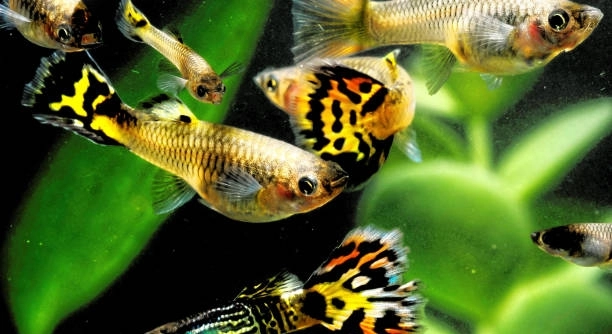
Raising guppy fry can be a rewarding experience, but sometimes they may refuse to eat. Understanding why they aren’t eating is important for their survival and growth. There are several reasons that could explain this behavior.
Guppy fry may not eat due to a variety of factors, including water quality, stress, temperature, or improper food types. Poor nutrition, inadequate tank conditions, or overcrowding can also contribute to this problem, affecting their appetite.
Addressing these issues will not only help your guppy fry thrive but also ensure a healthy environment for them in the long run. Keep reading to find out what might be causing the problem and how you can fix it.
Water Quality Issues
The water quality in your tank plays a big role in your guppy fry’s health and appetite. Poor water conditions can cause stress, making them less likely to eat. Guppy fry are especially sensitive to changes in their environment, and water that is too dirty, too acidic, or has harmful chemicals can affect them quickly. A dirty tank can introduce toxins that can harm their digestive system or make them feel unsafe, which can lead to them not eating.
Maintaining clean water is crucial for their survival. Regular water changes, around 20-30% every week, will help prevent toxins from building up. Using a water conditioner can also help neutralize harmful chemicals. Monitoring the water’s pH, ammonia, and nitrate levels can give you a clearer idea of the tank’s overall health.
If you haven’t tested your water lately, now might be a good time to do so. Keeping the tank clean and checking the water quality regularly will help reduce stress on your fry and encourage them to eat.
Stress and Overcrowding
Stress from overcrowding or environmental factors can stop guppy fry from eating.
In crowded tanks, fry may become overwhelmed and stressed, reducing their appetite. A safe and comfortable space encourages healthy growth and feeding. Make sure you don’t overcrowd the tank, as this will lead to tension. A tank of at least 5 gallons for a small group of fry can help reduce stress and allow for better growth. Keeping plenty of hiding places and space to swim around can also ease their anxiety.
Stressors like loud noises, sudden changes in water temperature, or aggressive tank mates can make your fry uneasy, which often causes them to stop eating. Fry that are constantly on edge have trouble relaxing enough to focus on feeding. So, pay attention to both the tank environment and the number of fish in the tank. A peaceful setting is key to getting them back on track.
Temperature Fluctuations
Temperature is crucial for guppy fry. If the water is too cold or too hot, they won’t feel comfortable enough to eat. Guppies prefer water temperatures between 76°F and 80°F (24°C and 27°C). When temperatures drop too low, their metabolism slows down, and they won’t show interest in food.
Inconsistent temperature changes can also be stressful for fry. Using a reliable aquarium heater will help maintain a stable temperature. Sudden temperature fluctuations can cause shock and reduce appetite. If you notice your heater isn’t working properly, replace it immediately to avoid further complications.
Ensure the room temperature remains constant as well, as drafts or direct sunlight may cause unwanted shifts in the water. Keeping a thermometer in the tank lets you easily monitor the temperature. Proper temperature control is essential for encouraging feeding.
Incorrect or Unattractive Food
Sometimes guppy fry refuse to eat simply because the food provided isn’t suitable for them. Guppy fry need very small, high-quality food that is easy to consume. They may not be interested in larger pellets meant for adult guppies, as these can be hard for them to digest.
Live food, like baby brine shrimp or microworms, is often the most appealing option for fry. These foods are small, nutritious, and stimulating, encouraging fry to eat more. If you’re feeding them powdered flakes, make sure to sprinkle them gently on the water surface, as it’s easier for small fish to eat.
Also, avoid overfeeding. Providing too much food at once can create a mess in the tank, making it harder for fry to find what they need. Clean up any uneaten food after 10-15 minutes to prevent water contamination and keep your fry’s environment clean.
Lack of Proper Lighting
Lighting in the tank plays an important role in your guppy fry’s feeding habits. If there’s not enough light, they may not feel motivated to swim around and look for food. Guppy fry are more active during the day when there’s proper lighting.
Using an aquarium light that mimics natural daylight helps create a consistent day-night cycle. Fry will be more likely to come out and feed if the light is on for around 10-12 hours a day. Too much light can stress them, so make sure it’s not too bright or left on too long.
A good balance of lighting makes a difference in encouraging healthy feeding patterns. Ensure the light is not too harsh, and maintain a natural rhythm to avoid stressing your fry.
Presence of Tank Mates
The presence of other fish in the tank can affect your guppy fry’s eating habits. Larger or more aggressive fish might intimidate fry, making it harder for them to approach food. If tank mates are overly competitive for food, your fry might be too scared to eat.
To prevent this, ensure there is plenty of space for your fry to feed. Consider using a breeder box or separate section in the tank to keep fry safe from adult fish. This way, they can feed without interference.
It’s important to monitor the behavior of tank mates and adjust accordingly. Your fry’s safety is essential for proper growth and feeding.
FAQ
Why aren’t my guppy fry eating even though I’m offering food regularly?
If your guppy fry aren’t eating, there could be several reasons. One common issue is water quality. Poor water conditions, such as high ammonia levels or dirty water, can cause stress and discourage your fry from feeding. Ensure you are performing regular water changes and testing for ammonia, nitrites, and nitrates. Another factor could be overcrowding. If there are too many fry in the tank, they may feel stressed and unable to find enough space to eat. Reducing the number of fry or providing more hiding spots can help. Lastly, check the food you’re offering. Make sure it’s small enough for fry to consume, and try live foods like baby brine shrimp or microworms, which are more enticing and nutritious for them.
What should I feed my guppy fry if they aren’t eating the food I’m offering?
If your guppy fry aren’t eating, it’s possible the food isn’t appealing or suitable for them. Try offering freshly hatched baby brine shrimp or microworms, which are more likely to attract them. You can also crush high-quality fry food into smaller particles to make it easier for them to eat. Guppy fry often prefer live foods, as the movement catches their attention. Ensure the food is fresh and small enough to be consumed without difficulty. Avoid overfeeding, as this can pollute the water, which might further discourage your fry from eating.
Can temperature affect my guppy fry’s appetite?
Yes, temperature plays a key role in your guppy fry’s appetite. Guppies thrive in water temperatures between 76°F and 80°F (24°C and 27°C). If the water is too cold or too hot, their metabolism will slow down, and they won’t be as eager to eat. Make sure your aquarium heater is working properly and that the water stays at a stable temperature. Sudden temperature changes can cause stress, which may further affect your fry’s feeding behavior. Keeping a thermometer in the tank will help you maintain the right conditions for your fry to grow and thrive.
How often should I feed my guppy fry?
Guppy fry have small stomachs and need to eat frequently. You should feed them small amounts of food 2-3 times a day, but make sure not to overfeed. Offering too much food can lead to water pollution and can cause health problems. Only provide as much food as they can consume in 5-10 minutes, and remove any leftovers to keep the tank clean. As they grow, you can start feeding them larger portions, but always monitor the amount to avoid overfeeding. Consistent, small meals will encourage healthy growth and ensure your fry get the nutrients they need.
Is it normal for my guppy fry to stop eating for a short period of time?
Yes, it’s normal for guppy fry to occasionally stop eating for a short time, especially when they are adjusting to their environment or if there are changes in water conditions. If they stop eating for more than a couple of days, it could indicate something is wrong, such as water quality issues, stress, or an inappropriate food type. Check the water parameters, ensure they are comfortable in their environment, and try different food types to see if they are more willing to eat. If the issue persists, it’s best to monitor their health closely and make any necessary adjustments.
What is the best type of food for guppy fry?
The best food for guppy fry is one that is small, nutritious, and easy to digest. High-quality fry food or powdered flakes are suitable for initial feeding, but live foods like baby brine shrimp or infusoria are ideal as they are both nutritious and stimulating. Microworms are also a good choice, as they are small and packed with nutrients. Guppy fry are more likely to feed on live food due to their movement, which triggers their hunting instinct. Offering a variety of food options can help ensure that your fry are getting the right nutrients for healthy growth.
How do I know if my guppy fry are eating enough?
It can be tricky to tell if your guppy fry are eating enough, as they are small and can hide when feeding. One sign of inadequate feeding is if they remain small, weak, or underdeveloped. Healthy fry will grow quickly, become more active, and show signs of curiosity, often swimming toward the food. If you notice that your fry are not growing or are lethargic, it could be a sign they are not eating enough. Make sure to offer the right type of food and check water quality regularly to eliminate any other factors that might be affecting their appetite.
Why do some guppy fry eat while others don’t?
Not all guppy fry will eat at the same time, and there are a few reasons for this. Some may be more timid or stressed, especially if there are more dominant fry or larger tank mates. Others may have different preferences when it comes to food types, so it’s essential to try offering a variety of foods, including live food. If some fry are eating while others aren’t, it’s a good idea to monitor them closely for any signs of illness or stress. Reducing overcrowding and providing a more peaceful environment can help encourage all fry to feed.
Can I use the same food for adult guppies and fry?
No, adult guppies and fry have different nutritional needs. Adult guppies can eat larger pellets or flakes, but fry need much smaller, finely crushed food. Fry also benefit from live or newly hatched foods like brine shrimp and infusoria, which are smaller and easier for them to consume. Offering adult food to fry can lead to them not eating, as it may be too large or hard for them to handle. Always feed fry food that is specifically designed for their size and nutritional needs to ensure they grow properly.
What are the signs of malnutrition in guppy fry?
Malnutrition in guppy fry can manifest in several ways. The most obvious sign is slow or stunted growth. Malnourished fry may appear weak or lethargic and could have difficulty swimming or interacting with other fry. Their colors might appear dull, and they may not be as active as healthy fry. If you notice any of these signs, check the water quality and food type you’re offering. Make sure they are getting a balanced diet with plenty of high-quality nutrition, and avoid overfeeding, which can lead to poor water conditions and further health problems.
Final Thoughts
Taking care of guppy fry can be a rewarding experience, but it requires attention to detail and patience. If your fry aren’t eating, it’s important to consider a few key factors such as water quality, temperature, and the food you’re offering. Even small changes in the tank environment can have a big impact on your fry’s feeding habits. Regularly checking water parameters and ensuring the tank is clean can go a long way in keeping your fry healthy and motivated to eat.
In addition to water quality, stress and overcrowding are common causes for guppy fry refusing food. Fry are very sensitive, and a tank full of too many fish can cause anxiety. It’s essential to maintain a balance, providing enough space and hiding spots for them to feel secure. Tank mates can also play a role in whether or not your fry eat. Aggressive or larger fish can intimidate the fry, making it harder for them to access food. Separating them in a breeder box or keeping the fry in a separate tank can help reduce stress and encourage feeding.
Finally, offering the right type of food is crucial for getting your guppy fry to eat. Some fry may prefer live food, while others might eat powdered flakes or crushed pellets. Experimenting with different options, such as baby brine shrimp or microworms, can help find what works best. However, it’s important to avoid overfeeding, as too much food can pollute the tank and create an unhealthy environment. By keeping the tank conditions optimal and paying attention to their dietary needs, your guppy fry should grow and thrive.

Hello,
If you enjoy the content that we create, please consider saying a "Thank You!" by leaving a tip.
Every little bit helps us continue crafting quality advice that supports the health, happiness, and well-being of pets around the world, for pets of all shapes, sizes, and species.
We really appreciate the kindness and support that you show us!