
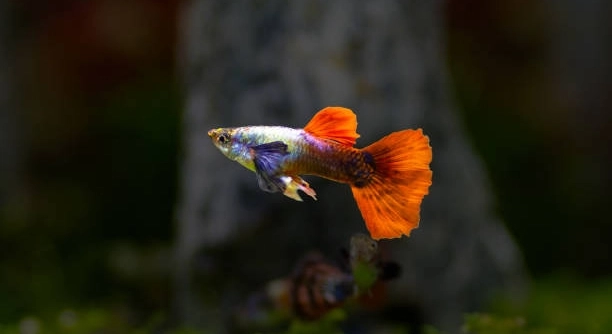
Do you ever find yourself checking on your guppy fry only to notice one floating oddly, tilted to the side? It can feel confusing and concerning, especially when the rest seem to be swimming normally.
The most common reason guppy fry float sideways is due to swim bladder issues, often caused by poor water quality, overfeeding, or genetic factors. These imbalances can impair buoyancy, making it difficult for the fry to swim properly.
Recognizing what’s behind this unusual behavior helps you take the right steps to support their health and recovery.
Poor Water Quality
When the water isn’t clean, guppy fry can start floating sideways. Waste buildup, high ammonia, or low oxygen levels affect their ability to swim properly. Since guppy fry are still developing, their systems are more sensitive to these changes. If your tank hasn’t been cycled or maintained well, they may show signs of stress like floating, gasping, or lack of appetite. Regular water tests can help you catch issues early. Even small tanks need proper filtration and frequent water changes. Aim to keep ammonia and nitrite at zero, and nitrates low. Stable water conditions keep fry healthier and more active.
Dirty water can quickly affect how your fry move. Even short exposure to bad conditions can lead to buoyancy problems.
Clean water gives your fry the best chance to grow without issues. Test the water often, keep the tank clean, and change about 25% weekly. These habits help maintain balance.
Swim Bladder Problems
Swim bladder disorders are a common reason guppy fry float on their sides.
This organ helps fish stay upright and control movement in the water. In fry, it’s still developing, so any pressure, infection, or damage can impact it. Overfeeding, constipation, or poor-quality food can cause the bladder to swell or shift, making the fry float abnormally. Feeding smaller amounts and spacing out meals can reduce this risk. If a fry is already affected, isolate it in a separate tank with clean water. Offering a tiny piece of a shelled pea (for older fry) can sometimes ease bloating. Avoid feeding dry food without soaking it first, as it can expand inside their small stomachs. Keeping their environment stress-free and their diet consistent will support better bladder function. Some fry may recover quickly, while others might need more time and care.
Overfeeding
Feeding guppy fry too much can lead to digestive issues and pressure on their swim bladder. Uneaten food also decays in the tank, quickly lowering water quality. Both factors make it harder for fry to swim normally and can result in floating sideways.
Offer small amounts of food two to three times a day instead of one large feeding. Crush flakes or choose fry-specific food that’s easy to digest. Avoid feeding again if they haven’t finished the last portion. Uneaten food should be removed within a few minutes to prevent buildup. Stick to a consistent feeding schedule to help their bodies adjust and reduce the chance of bloating. Overfeeding is a common mistake, but easy to fix with careful observation. As your fry grow, adjust the portion size gradually to match their needs without overwhelming them.
Monitoring how much your fry eat makes a big difference. Overfeeding slows digestion and leads to buoyancy problems. You may also see fry hanging at the surface, looking bloated or lethargic. If this happens, skip feeding for a day and resume with smaller portions. Keeping feeding consistent and moderate helps protect their developing systems and prevents sideways floating due to stomach pressure or excess waste in the tank.
Constipation
Constipation often occurs in guppy fry when their diet is too dry, repetitive, or low in fiber. This can make their bellies swell, placing pressure on the swim bladder and affecting balance.
Feeding a varied diet is one of the best ways to prevent constipation. Offer micro worms, baby brine shrimp, or finely crushed flakes soaked in tank water before feeding. Fry benefit from soft foods that are easy to digest and pass. If you notice a fry floating sideways with a swollen belly and stringy waste, it’s a sign of constipation. Temporarily reduce feeding and ensure the water is clean. Slightly warmer water (around 80°F) may also help stimulate digestion. Avoid feeding dry flakes or pellets directly without soaking, as they expand and make digestion harder. Regular feeding routines and food quality are just as important as portion size when keeping your fry healthy and upright.
Sudden Temperature Changes
Guppy fry are sensitive to shifts in temperature. A sudden drop or spike can affect their swim bladder and overall coordination, making them float sideways. Keeping a steady range between 76–80°F helps them stay active and swim normally.
Rapid changes from water changes or faulty heaters can stress fry quickly. Always match new water temperature and use a reliable heater with a thermometer to avoid sudden swings. Stability supports proper growth and movement.
Genetics or Birth Defects
Some guppy fry are born with swim bladder deformities or structural issues that affect their buoyancy. These problems may not be fixable, even with clean water and proper care. Affected fry may float sideways from birth and show no improvement with changes in environment or diet. In such cases, focus on keeping them comfortable. Avoid overcrowding, and provide gentle filtration. If they’re struggling to eat, consider feeding near them to reduce stress. While not all fry with genetic issues will survive, giving them a peaceful space increases their quality of life. Breeding healthy adult guppies can help reduce this issue in the future.
Stress from Tank Mates
Larger or more active fish can intimidate guppy fry. Constant stress may lead to poor eating and erratic swimming, including floating sideways. Separating the fry into a quiet space helps them grow safely and stay balanced.
FAQ
Can guppy fry recover from floating sideways?
Yes, guppy fry can recover if the cause is caught early and corrected. If poor water quality, overfeeding, or constipation is behind the issue, many fry return to normal once conditions improve. Keep the tank clean, feed smaller portions, and offer soft, digestible food. If the problem comes from a swim bladder issue due to temporary bloating, recovery usually happens in a few days. However, if the fry has a birth defect or permanent injury, the condition may not improve. Observing the fry’s behavior over time will help you know whether recovery is likely.
How do I know if it’s a swim bladder issue?
Fry with swim bladder problems often float on their side, sink to the bottom, or struggle to stay upright. They may twist their bodies when trying to swim or rest in odd positions. If they appear bloated, eat less, or show trouble swimming evenly, the swim bladder is likely affected. This can result from overfeeding, constipation, poor water conditions, or injury. Watch for improvement after water changes and fasting. If behavior doesn’t improve after a few days, the issue might be more serious or permanent.
Should I isolate a guppy fry that’s floating sideways?
Yes, it’s usually best to isolate affected fry, especially if they are struggling to compete for food or being picked on by other fish. A separate tank or breeder box allows you to control the environment more closely. Use clean, warm water and a sponge filter for gentle circulation. Isolation also helps prevent potential spread of disease if illness is involved. Keep lighting low and feeding minimal to reduce stress. Even a simple plastic container floating in the tank can work short-term as a recovery area.
Can feeding peas help guppy fry with buoyancy issues?
For older fry, yes. A tiny piece of a peeled, cooked pea can help clear out the digestive tract if constipation is causing the issue. Avoid feeding peas to very young fry, as their systems are more delicate. Make sure the pea is soft and cut small enough for the fry to eat easily. Only feed a pea once and observe the fry for signs of improvement. If there’s no change after a day or two, return to regular feedings and review tank conditions.
How often should I feed guppy fry?
Feed guppy fry 2–3 times a day in small portions. Their stomachs are small, and too much food at once can lead to bloating or water contamination. Use powdered fry food, baby brine shrimp, or crushed flakes. Always remove uneaten food after a few minutes. As fry grow, their appetite increases, but it’s still important not to overfeed. Maintaining a regular feeding schedule and adjusting portions as needed can reduce the risk of sideways floating caused by bloating or swim bladder pressure.
Can sideways floating be a sign of disease?
Yes, in some cases. If the fry has no appetite, shows clamped fins, unusual spots, or changes in color, illness might be involved. Bacterial or parasitic infections can cause inflammation that affects swimming. Quarantine and treat the fry if you suspect disease. Observe closely and consider using mild treatments like aquarium salt or commercial fry-safe medications. Always diagnose carefully before treating, since medicating without a clear cause can stress fry even more.
What temperature is best for guppy fry?
Keep the water between 76–80°F for optimal growth and digestion. Cooler water slows their metabolism, which may lead to bloating or poor digestion. Warmer water supports faster development and better food processing but should stay within a safe range. Use a heater and thermometer to prevent sudden drops, especially during water changes. Stable temperature is more important than hitting the exact number, so aim for consistency. Avoid placing tanks near windows or vents that could cause fluctuations.
Final Thoughts
Keeping guppy fry healthy takes patience and close attention. When a fry starts floating sideways, it usually means something is off in its environment, diet, or health. In many cases, simple changes—like checking the water temperature, improving water quality, or adjusting how much you feed—can make a big difference. Most of the time, early signs like sideways floating can be corrected if you act quickly. Making small, consistent improvements gives your fry a better chance of recovering and growing into healthy adult guppies.
Not every case will have a clear solution. Some fry may float sideways due to birth defects or long-term swim bladder issues. While this can be hard to watch, offering them a calm, clean space to grow without stress is the best thing you can do. If they continue eating and showing interest in their surroundings, they can still live a comfortable life, even if they swim differently. Gentle care, proper food, and a low-stress environment help keep them stable, even if their condition doesn’t improve fully.
Raising guppy fry means checking water conditions often, feeding responsibly, and watching for signs of stress or illness. A sideways-swimming fry can alert you to issues affecting the whole tank. Learning what causes this and how to respond will not only help that one fry, but also improve the care of your entire tank. Over time, your experience will help you spot problems faster and respond with confidence. With the right approach, most fry can overcome these early challenges and grow strong and active in a stable, supportive tank.

Hello,
If you enjoy the content that we create, please consider saying a "Thank You!" by leaving a tip.
Every little bit helps us continue crafting quality advice that supports the health, happiness, and well-being of pets around the world, for pets of all shapes, sizes, and species.
We really appreciate the kindness and support that you show us!