
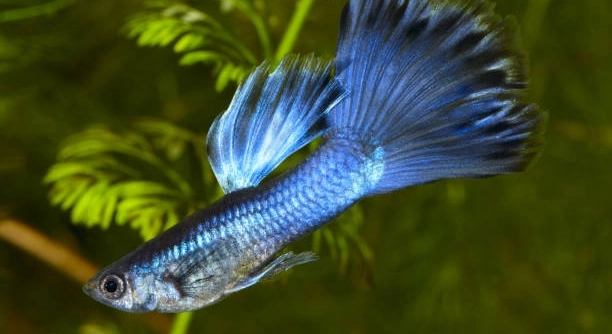
Guppy fry are delicate creatures, and when you notice them floating in one spot, it can be concerning. Understanding the causes behind this behavior will help ensure the well-being of your tiny fish.
The most common reason guppy fry float in one spot is due to swim bladder issues. This condition affects the fry’s ability to control their buoyancy. Other factors, such as water quality, temperature, and nutrition, can also contribute to this behavior.
By identifying and addressing these issues, you can help restore your guppy fry’s health and prevent future problems.
1. Swim Bladder Issues
When a guppy fry is floating in one spot, swim bladder problems are often the first thing to consider. This condition happens when the swim bladder, which helps control buoyancy, malfunctions. A malfunctioning swim bladder can cause the fry to float erratically or remain stuck in one position. It may not be able to swim properly, affecting its overall movement.
Swim bladder issues can arise due to several reasons. Overfeeding, poor water conditions, or injury can affect the swim bladder’s function. As the fry grows, it may outgrow certain adjustments, resulting in temporary issues.
If swim bladder issues are suspected, adjusting feeding habits and maintaining water quality can help. Sometimes, separating the fry into a separate tank with controlled conditions can improve recovery. Monitoring the water temperature is essential, as extreme temperatures can further stress the fry. A clean, stable environment can encourage healing. Regular observation will help you spot problems early and adjust accordingly.
2. Poor Water Quality
Water quality plays a significant role in guppy fry’s health. If the water isn’t clean, it can stress the fry, leading to abnormal floating. Regular water changes are vital to keeping fry healthy. Water should be checked for harmful levels of ammonia, nitrites, and nitrates.
Water chemistry, including pH levels, should also be monitored. Fry are particularly sensitive to sudden changes in their environment. Keeping the tank clean and regularly testing the water will help you avoid issues that might lead to fry floating or other health problems. Proper filtration is equally important, as it helps maintain clean, clear water, creating a stable and healthy environment for the fry.
A stable tank will not only support your guppy fry’s buoyancy but also improve their growth and development.
3. Overfeeding
Overfeeding is a common mistake that can cause guppy fry to float in one spot. When guppy fry are overfed, they often have difficulty digesting the food, which can lead to swim bladder issues. It’s important to give them small amounts of food multiple times a day.
Overfeeding can lead to bloating and digestive distress in guppy fry. Undigested food may float in their stomachs, causing them to lose their ability to swim properly. This can result in them floating in one spot or struggling to swim at all. Adjusting the feeding routine and quantity can help prevent this issue.
To avoid overfeeding, offer only as much food as the fry can eat in a few minutes. Remove any uneaten food after feeding to prevent water contamination. It’s essential to find a balance in feeding so the fry get the nutrients they need without causing digestive or buoyancy problems.
4. Temperature Fluctuations
Guppy fry are highly sensitive to temperature changes, and fluctuating water temperatures can cause stress, leading to floating. Sudden drops or spikes in temperature can disturb their swimming ability and affect their overall health. Consistent, stable temperatures are crucial for their well-being.
Maintaining a constant water temperature in the 76°F to 80°F (24°C to 27°C) range will help keep the fry healthy and comfortable. A sudden change can cause the fry to become sluggish, affecting their buoyancy. Using a reliable aquarium heater and thermometer is the best way to ensure stability.
If you notice your guppy fry floating after a temperature fluctuation, check the water temperature and adjust if necessary. Providing a stable environment will prevent stress and encourage normal swimming behavior. Avoid placing the aquarium in drafts or areas where the temperature can change frequently.
5. Lack of Oxygen
Insufficient oxygen in the water can cause guppy fry to float in one spot. When oxygen levels drop, fry may struggle to swim and may stay near the surface, often appearing lethargic. Proper aeration and filtration are key to maintaining healthy oxygen levels.
A lack of oxygen can cause fry to become weak and float instead of swimming actively. Poor water movement and overstocking can lead to oxygen depletion. Adding an air pump or adjusting the filter flow can increase oxygen levels, helping fry stay active and healthy.
6. Injury or Stress
Physical injury or stress can also lead to abnormal floating in guppy fry. Injuries from sharp decorations, tank mates, or rough handling can impair their swimming ability. Stress from overcrowding or frequent disturbances can also cause them to float.
Stress can weaken fry and make them vulnerable to health issues. If you notice floating behavior after introducing new fish or changing their environment, the fry may be stressed. Keeping the tank clean and providing hiding spaces will help reduce stress levels.
FAQ
Why is my guppy fry swimming in circles?
If your guppy fry is swimming in circles, it could be due to poor water quality or swim bladder problems. Contaminants in the water, like ammonia or nitrites, can cause disorientation. It’s also possible that the fry is struggling to adjust its buoyancy, which affects movement. Check your water parameters and do a water change if necessary.
What causes guppy fry to become lethargic?
Lethargy in guppy fry can be caused by several factors. Stress, poor water quality, and inadequate nutrition are common culprits. If the fry is not moving or is sluggish, consider testing your water for harmful levels of ammonia, nitrites, or nitrates. Adjust feeding habits to ensure the fry are getting proper nutrition.
How can I prevent swim bladder problems in guppy fry?
To prevent swim bladder issues in guppy fry, feed them small amounts of food several times a day rather than overfeeding. This reduces the chances of digestive problems. Keeping the tank clean, maintaining a stable temperature, and providing proper filtration can also help prevent swim bladder issues.
Is it normal for guppy fry to float on the surface?
Yes, it can be normal for guppy fry to float on the surface, especially when they are very young. They often stay near the surface to feed and breathe. However, if they remain stuck in one spot for too long, it could indicate a health issue such as swim bladder problems or poor water quality.
Why do guppy fry float upside down?
When guppy fry float upside down, it’s often a sign of swim bladder disorder. This condition can result from overfeeding, water temperature fluctuations, or stress. Check the water quality, reduce feeding amounts, and ensure that the water temperature is stable to help prevent this problem.
Can guppy fry recover from swim bladder issues?
Yes, guppy fry can recover from swim bladder issues with proper care. It’s important to create a stable and clean environment for them, ensuring they have access to healthy food and appropriate water conditions. In severe cases, separating the fry into a quarantine tank may help them recover faster.
How often should I feed my guppy fry?
Guppy fry should be fed small amounts of food about 2-3 times a day. Overfeeding can lead to digestive problems, which can affect their buoyancy. Monitor how much they eat and remove any uneaten food after a few minutes to avoid water contamination.
What water temperature is best for guppy fry?
Guppy fry thrive in water temperatures between 76°F to 80°F (24°C to 27°C). Maintaining a consistent temperature within this range is essential for their growth and development. Sudden temperature changes can cause stress and disrupt their buoyancy, leading to floating or lethargy.
Can guppy fry survive with adult guppies in the same tank?
Guppy fry can survive with adult guppies, but it’s important to ensure the tank has plenty of hiding spots for the fry. Adult guppies may see the fry as food, so providing plants, decorations, or breeding nets can help keep them safe from being eaten.
How long does it take for guppy fry to grow?
Guppy fry grow quickly, usually reaching adulthood in about 3 to 4 months. During this time, they will undergo several stages of growth, from tiny fry to fully mature guppies. A proper diet and stable environment will ensure they grow at a healthy rate.
Can stress cause guppy fry to float in one spot?
Yes, stress can cause guppy fry to float in one spot or exhibit other abnormal behaviors. Stress can be triggered by factors like overcrowding, poor water conditions, or sudden changes in the environment. Reducing stress by maintaining a calm tank environment is essential for their health.
How do I know if my guppy fry are sick?
Signs that guppy fry may be sick include abnormal swimming behavior, floating in one spot, lack of appetite, or discolored patches on their bodies. If you notice any of these signs, it’s essential to address water quality issues, isolate sick fry, and provide appropriate care.
What should I do if my guppy fry keeps floating on one side?
If your guppy fry keeps floating on one side, it could be due to swim bladder issues. This condition can occur from overfeeding, poor water quality, or stress. Check the water parameters, adjust feeding routines, and ensure that the fry has a clean and stable environment to recover.
Final Thoughts
Guppy fry floating in one spot can be concerning, but with the right knowledge, you can address the issue and help them recover. The reasons for this behavior vary, ranging from water quality problems and overfeeding to physical injuries or stress. Identifying the root cause is the first step in fixing the problem. Once you know what’s wrong, you can take appropriate action, whether it’s adjusting feeding habits, stabilizing water conditions, or reducing stress factors in the tank.
It’s important to regularly check the water parameters in your aquarium to ensure the health of your guppy fry. Ammonia, nitrites, and nitrates can build up quickly in a tank, especially in smaller ones where fry are housed. Maintaining clean water through regular water changes and proper filtration can help prevent many issues, including floating. The water temperature should also be stable, as fluctuations can cause stress and disrupt the fry’s ability to swim correctly. Keeping the environment clean and consistent helps your guppy fry thrive and reduces the likelihood of floating problems.
If you observe that your guppy fry are still floating despite making changes to their environment, further investigation may be necessary. Look for signs of illness or injury, and consider whether overfeeding or overcrowding could be factors. In some cases, isolating the affected fry in a separate tank may help them recover faster. Taking proactive measures to improve their living conditions and ensuring they have the right care will support their overall health and development. With attention and care, most floating issues can be resolved, and your guppy fry will continue to grow and thrive in a happy, healthy aquarium.

Hello,
If you enjoy the content that we create, please consider saying a "Thank You!" by leaving a tip.
Every little bit helps us continue crafting quality advice that supports the health, happiness, and well-being of pets around the world, for pets of all shapes, sizes, and species.
We really appreciate the kindness and support that you show us!