
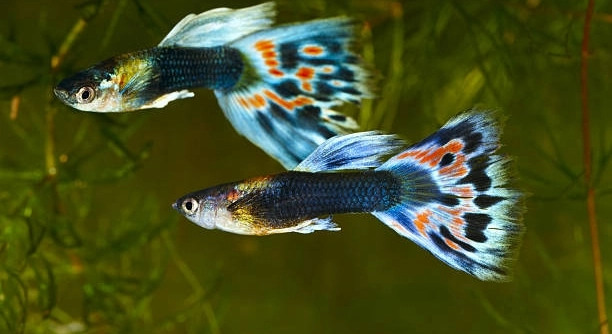
Guppy fry are adorable little fish, but it can be concerning when they spend too much time resting. If you notice your baby guppies lounging more than swimming, there may be underlying causes worth exploring.
Your guppy fry’s resting behavior may be caused by several factors, including stress, inadequate water conditions, improper diet, or even natural resting patterns. A deeper understanding of their environment and needs can help prevent any health issues.
Addressing these factors will help ensure your guppy fry are happy and healthy. With proper care, you can create the best conditions for them to thrive and grow into vibrant adult fish.
Stress and Overcrowding
Guppy fry are delicate creatures, and stress can easily affect their behavior. Overcrowding is one of the most common causes of stress in a tank. When too many fry are packed into a small space, they don’t have enough room to swim freely or hide when needed. This can make them feel unsafe and cause them to rest more often. Additionally, high levels of ammonia or nitrites in the water due to overpopulation can make the environment toxic, further contributing to their lack of energy.
Even with ample space, if there are too many fish in the tank, competition for food and territory can cause stress. Fry that feel threatened or unable to secure enough food may rest more, signaling their discomfort.
Providing your fry with a tank size appropriate for the number of fish and regularly maintaining water quality can help minimize stress and keep them active. When space and resources are limited, the fry will not thrive, leading to lethargy.
Inadequate Water Conditions
The quality of the water in your tank plays a crucial role in the health of your guppy fry. Poor water conditions, such as incorrect temperature, pH, or high levels of toxins, can make the environment hostile. Fry are especially sensitive to these factors and may start resting more if they’re not comfortable in their habitat.
Water temperature, for instance, should be between 76°F and 80°F for optimal guppy fry health. If the water is too cold, they become sluggish, and if it’s too warm, they may become stressed. Additionally, high levels of ammonia or nitrites, even in low amounts, can lead to discomfort. Fry need clean, well-maintained water to stay active and healthy.
To keep your fry thriving, it’s essential to regularly check the water quality, maintain stable temperature levels, and perform routine water changes. Ensuring that the water is safe for your guppies will help them feel more at ease and stay active throughout the day.
Poor Diet
If your guppy fry aren’t getting the right nutrition, it can lead to lethargy. A poor or imbalanced diet can affect their energy levels and overall health. Fry require a diet that’s rich in proteins, vitamins, and minerals to grow properly and remain active.
Overfeeding can also be an issue, leading to uneaten food sinking and polluting the water. But underfeeding is just as harmful. Fry need small meals multiple times a day to meet their nutritional needs. Using specialized fry food or finely crushed flakes can help ensure they’re getting enough nutrients.
A poor diet leaves your fry lacking the energy to swim around, often causing them to rest more. Keeping their diet well-rounded and offering the right food will help prevent this issue and promote active behavior.
Temperature Fluctuations
Guppy fry are sensitive to sudden changes in water temperature. Rapid fluctuations can cause stress, leading to less movement and more resting. Fry thrive when the water temperature remains stable, between 76°F and 80°F.
Temperature swings can happen due to a variety of reasons, including heaters that malfunction or drafts from open windows. When the temperature fluctuates, fry may slow down and retreat to calmer areas of the tank, preferring to rest. It’s important to keep a consistent temperature to avoid these issues.
To ensure your guppy fry remain active, use a reliable heater and thermometer. Keep the tank away from temperature extremes, such as sunlight or air conditioning, and make adjustments slowly if needed. Stable water conditions will prevent unnecessary stress.
Illness or Infection
Guppy fry can become lethargic if they’re not feeling well. Illness or infections can make them weaker, leading them to rest more than usual. A sick fry may also appear less interested in food or swimming.
Signs of illness in fry include abnormal swimming behavior, loss of color, or clamped fins. It’s important to monitor their behavior closely. If you notice any unusual changes, consider isolating the sick fry and treating the tank for potential pathogens.
Keeping the tank clean and ensuring water quality will help prevent diseases. Make sure to regularly check for any signs of illness and act quickly to avoid further spread.
Natural Resting Behavior
Guppy fry, like other fish, have natural resting periods. It’s completely normal for them to spend time resting, especially when they’re still young and developing. They may not always be active, but that doesn’t necessarily indicate a problem.
Fry may naturally rest more during the first few weeks of life as they build up energy reserves. This behavior usually becomes less frequent as they grow older and become more active. If your fry are eating and swimming at certain times, they’re likely just in a resting phase.
Understanding the growth stages of your fry helps you recognize what’s normal and what could be a sign of trouble.
Water Chemistry Imbalance
An imbalance in the water chemistry can lead to lethargy in guppy fry. pH, hardness, and alkalinity levels must be within the proper range for your fry to thrive. If these levels are off, your fry may become weak and spend more time resting.
If your water’s pH is too high or low, it can cause stress, making the fry inactive. Similarly, incorrect water hardness can affect their energy. Regular water testing and adjusting these parameters will help maintain an ideal environment.
Adjusting the water chemistry to fit your guppies’ needs will keep them active and healthy. Regular testing is key to preventing problems.
FAQ
Why is my guppy fry always resting?
If your guppy fry is constantly resting, it could be due to several reasons, such as stress, poor water conditions, or improper diet. Fry are particularly sensitive to their environment, and small changes in temperature, water quality, or tank overcrowding can cause them to become lethargic. Ensure the tank is properly set up with good filtration, stable temperature, and regular water changes. A nutritious diet will also help keep them active. Keep an eye on their behavior to identify if there are any signs of illness.
How can I tell if my guppy fry is sick?
Sick guppy fry can show signs like lethargy, loss of color, clamped fins, or abnormal swimming patterns. They may also stop eating or hide more than usual. If you notice these symptoms, it’s important to act quickly. Isolate the sick fry in a separate quarantine tank to prevent the spread of disease. Check the water quality in the main tank, as poor water conditions can contribute to illnesses. Depending on the disease, you may need to use specific medications.
What is the ideal tank size for guppy fry?
For guppy fry, a tank of at least 5 gallons is recommended. This size ensures enough space for the fry to swim around without overcrowding. Overcrowding can lead to stress and illness, causing your fry to rest more. If you’re raising many fry, consider upgrading the tank size or dividing the tank to give each group more space. Additionally, ensure the tank is well-filtered to maintain clean water.
Should I be worried if my guppy fry are not swimming much?
If your guppy fry are not swimming much, it’s worth checking the water conditions. Poor water quality, inappropriate temperature, or high levels of toxins like ammonia and nitrites could be making them sluggish. Fry are more sensitive to these factors, so a water test can help identify any imbalances. Ensure the tank is clean, and the temperature is stable between 76°F and 80°F. If everything seems fine, the fry might just be in a natural resting phase.
Can guppy fry survive without a filter?
It’s possible for guppy fry to survive without a filter, but it’s not recommended. Fry are particularly sensitive to poor water quality, and a filter helps maintain clean, oxygenated water by removing excess food, waste, and toxins. Without a filter, the water can quickly become polluted, leading to health problems. If you decide not to use a filter, be prepared to change the water frequently to keep the tank safe for the fry.
What temperature should the water be for guppy fry?
The ideal temperature for guppy fry is between 76°F and 80°F. Guppy fry are tropical fish and need warm water to stay active and healthy. Water that is too cold can slow down their metabolism and make them sluggish, while water that is too warm can stress them out. Use a reliable aquarium heater and thermometer to maintain a stable temperature for the fry.
How often should I feed my guppy fry?
Guppy fry should be fed small amounts of food several times a day. Their small stomachs can only handle a little food at a time, so feeding them three to five times daily will ensure they get enough nutrients without overfeeding. It’s best to feed them specialized fry food or finely crushed flakes. Remove any uneaten food after a few minutes to avoid water contamination.
Why are my guppy fry swimming sideways or upside down?
Swimming sideways or upside down can be a sign of swim bladder disorder, a common issue in guppy fry. This condition can be caused by overfeeding, poor water conditions, or genetics. It affects the swim bladder, which helps the fish maintain buoyancy. If your fry are struggling to swim properly, check the water quality and avoid overfeeding. You can also try adjusting the temperature slightly or isolating the affected fry to see if it recovers.
Is it normal for guppy fry to hide?
Yes, it’s normal for guppy fry to hide, especially during the first few weeks of life. They are naturally cautious and may seek shelter in plants or decorations for safety. Fry may hide more if they feel threatened or stressed by other tankmates. Ensure there are plenty of hiding spots in the tank, such as plants or rocks, to help the fry feel secure. If hiding becomes excessive or accompanied by lethargy, it could indicate a problem with the water conditions or their health.
How can I increase the activity level of my guppy fry?
To encourage your guppy fry to be more active, ensure they have a suitable environment with clean water, a stable temperature, and enough space to swim. Providing a well-balanced diet will also help. You can also add gentle tank decorations or plants to encourage natural exploration. However, avoid overcrowding, as too many fry in one tank can lead to stress and lethargy. Regular water changes and keeping the tank clean are key factors in promoting healthy activity.
Final Thoughts
It’s completely normal for guppy fry to rest, but if they’re spending too much time doing so, there could be an underlying issue. Common factors such as water quality, temperature fluctuations, overcrowding, or poor diet can all lead to lethargy in fry. Stress from a polluted tank or high ammonia levels can leave them feeling weak and sluggish. It’s important to regularly check the water conditions, including pH levels and temperature, to keep them within the ideal range. Having a clean tank with proper filtration will help your guppy fry thrive.
Guppy fry also need a balanced diet to stay healthy. If they’re not getting the right nutrients, they might not have the energy to swim or play. Offering high-quality fry food and feeding them several times a day will help ensure they get enough to grow strong and active. Overfeeding should be avoided, as it can pollute the water and lead to poor health. A well-fed fry will be more likely to swim and explore their environment rather than stay still.
Lastly, it’s important to keep in mind that some resting is completely normal, especially as fry are still developing. In the early stages, they tend to rest more, but this will decrease as they grow older. It’s only when the resting becomes excessive or is accompanied by other signs of illness, such as loss of color or abnormal swimming behavior, that it should raise concern. By maintaining a stable, healthy environment and providing the right care, you’ll help your guppy fry grow into healthy, active adult fish.

Hello,
If you enjoy the content that we create, please consider saying a "Thank You!" by leaving a tip.
Every little bit helps us continue crafting quality advice that supports the health, happiness, and well-being of pets around the world, for pets of all shapes, sizes, and species.
We really appreciate the kindness and support that you show us!