
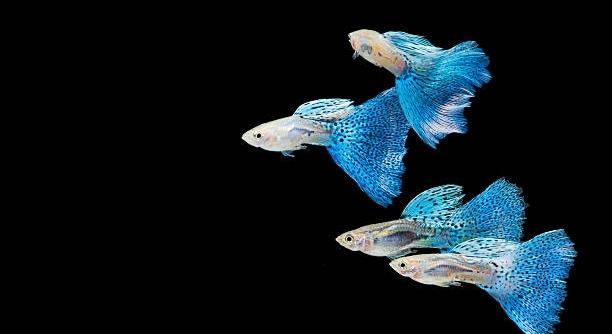
Do your guppy fry always seem to disappear the moment you look into the tank, hiding behind plants or decorations all day?
Guppy fry often hide due to stress, poor tank conditions, or threats from adult fish. These small fish are naturally cautious, and hiding is a survival instinct. Ensuring proper care and environment can reduce this behavior.
Understanding these causes will help create a safe space for your fry and encourage healthier, more active behavior in your aquarium.
1. Stress From Adult Fish in the Tank
Guppy fry are tiny and defenseless, making them easy targets for adult fish—even other guppies. When kept in the same tank as adult fish, fry will often hide constantly to avoid being eaten. This kind of environment causes ongoing stress, which can affect their health and growth. If your fry are always hiding, it’s likely because they don’t feel safe. Adding plenty of hiding spots like live plants or spawning mops can offer some protection, but separation is the most effective solution. A breeder box or separate grow-out tank gives your fry a calm, secure space to swim freely.
Keeping fry with adults makes it hard for them to thrive. Constant hiding limits their ability to eat and grow properly.
Use a separate tank with proper filtration and gentle flow. Add soft lighting and floating plants for cover. A calmer environment helps your fry relax and display more natural behavior, including swimming in open areas.
2. Poor Water Conditions
Poor water quality is another major reason guppy fry may stay hidden. Even if they are separated from adult fish, fry are still sensitive to environmental conditions. High ammonia, nitrites, or unstable temperatures can make the tank feel unsafe, prompting fry to seek shelter constantly. Inconsistent maintenance routines often lead to these problems, which makes fry more likely to stay out of sight.
Regular water testing helps identify problems before they escalate. Keep the tank clean with weekly water changes, and make sure the temperature stays stable—around 78°F (25°C) is ideal. A sponge filter can provide gentle filtration without disturbing fry. Also, avoid overfeeding, as leftover food breaks down and pollutes the water. When fry feel comfortable in their environment, they will come out more often to feed and explore. Clean water doesn’t just support better health; it makes your tank feel safer, leading to more active and visible fry behavior.
3. Lack of Hiding Spaces in the Tank
When there aren’t enough places to hide, guppy fry may become more stressed and withdrawn. They might feel exposed, even in a quiet tank, which makes them stay hidden behind the filter or stay near the bottom where they feel less seen.
Adding more plants, decorations, or soft sponge filters can help reduce this problem. Floating plants work especially well, as fry often feel safer near the surface with coverage. You don’t need expensive gear—simple plastic or live plants are enough. Dense coverage gives them multiple hiding options and encourages them to explore gradually. Avoid overcrowding, though, as it can lead to poor water quality. The right balance makes fry feel secure without overwhelming the space. When they sense safety, they’ll begin to venture out more. Hiding will still happen, but it won’t be constant or out of fear.
Keep the tank setup consistent once your fry seem comfortable. Changing layouts too often can disrupt their sense of security. They rely on familiar spots, so giving them time to adjust is important. You’ll notice more activity as they get used to their surroundings. Creating a cozy tank doesn’t just improve behavior—it also helps fry grow healthier and stronger over time.
4. Sudden Changes in the Environment
Fry are sensitive to rapid changes in lighting, temperature, or water chemistry. Even something as simple as a light turning on quickly can send them into hiding. Consistency in their environment helps them stay relaxed and active.
To avoid this, use a timer for your tank light to create a predictable schedule. Keep temperature fluctuations minimal—don’t place the tank near windows or vents. If you’re doing water changes, make sure the new water is close in temperature to avoid shocking the fry. Test water parameters regularly, especially after big changes like adding new fish or equipment. Fry get used to their space quickly, so stable conditions keep them feeling safe. A steady environment helps fry form predictable routines, including feeding and swimming patterns. Reducing surprises in their surroundings lowers stress and lets them spend more time in the open, where you can better monitor their growth and health.
5. Low Light Conditions
Dim lighting can make guppy fry feel uncertain about their surroundings. They might prefer staying hidden when they can’t see clearly, especially if the tank feels unfamiliar. A gentle, consistent light helps them feel more confident and encourages movement.
Use soft lighting that mimics daylight without being too bright. Avoid placing the tank in dark corners or covering it completely with plants. A balanced setup helps fry adjust better and stay visible during the day.
6. Hunger or Infrequent Feeding
Fry that don’t eat enough may lack energy to explore or swim openly. They may also feel more vulnerable without regular nutrition, which encourages hiding behavior. A proper feeding schedule ensures they grow well and stay active throughout the day.
7. Genetic or Temperament Differences
Some guppy fry are naturally shy. Even in ideal conditions, you might notice certain fry hiding more than others. This can come down to genetics or simply a quieter temperament. It’s normal, and not always a sign of a problem.
FAQ
Why do my guppy fry hide all the time?
Guppy fry may hide due to stress, inadequate tank conditions, or a feeling of insecurity. Stress can come from adult fish, changes in water quality, or rapid environmental changes like temperature fluctuations. Fry are naturally cautious and will hide to protect themselves. Providing more hiding spaces, ensuring a stable environment, and minimizing any threats will help encourage them to swim more freely.
How can I reduce stress in my guppy fry?
Reducing stress in guppy fry involves maintaining stable water conditions, proper tank temperature, and low aggression from adult fish. Use soft filters that don’t create too much water flow, and ensure they have plenty of places to hide, such as plants or decorations. Keep the tank clean and change the water regularly. Additionally, limit any sudden changes in their environment, like rapid temperature shifts or noise.
Should I separate guppy fry from adults?
Yes, separating guppy fry from adult fish can help reduce stress. Adult guppies can be aggressive toward fry and may even try to eat them. A breeder box or separate fry tank can provide a safer, stress-free environment for them to grow. It also allows you to control water quality and feeding schedules more easily.
How often should I feed my guppy fry?
Feed your guppy fry multiple times a day, but in small amounts to avoid overfeeding and water contamination. A good rule is to feed them 2-3 times daily with food suitable for fry, such as finely crushed flake food, baby brine shrimp, or specially formulated fry food. Ensure they have enough time to eat before removing any uneaten food to maintain water quality.
What temperature should I keep the tank for guppy fry?
Guppy fry thrive in water temperatures between 76°F and 80°F (24°C – 27°C). Keeping the water temperature in this range helps promote healthy growth and activity. Any significant fluctuation in temperature can cause stress, so a consistent temperature is crucial. A reliable aquarium heater with a thermometer is recommended to maintain stability.
Can poor water quality affect guppy fry behavior?
Yes, poor water quality can make guppy fry feel stressed, leading to more hiding and even health issues. Fry are particularly sensitive to ammonia, nitrites, and sudden changes in pH or temperature. Regularly testing the water and performing partial water changes will help maintain good water quality. A sponge filter is a gentle option that helps keep the water clean without disturbing the fry.
Why are some guppy fry more active than others?
Some guppy fry are naturally more active due to their individual personalities or genetic differences. It’s normal for some fry to be more curious and exploratory while others prefer to stay hidden. As long as the fry are healthy, this behavior isn’t usually a cause for concern. Differences in activity levels can also be linked to their comfort in the environment, their access to food, or how much cover they have.
Can I add more fry to a tank with existing fry?
Yes, you can add more fry to a tank that already has existing fry, but you should consider the size of the tank and the age of the fry. If the tank is small, adding more fry might increase stress or limit available space. Also, ensure the water conditions remain stable. It’s a good idea to monitor how the new fry are adjusting to avoid overcrowding.
Should I use a filter in the fry tank?
Yes, you should use a filter in a fry tank, but make sure it’s gentle enough to avoid harming the fry. A sponge filter works well, as it provides filtration without creating strong currents. Clean water is crucial for fry growth, but strong filters can stress them out or suck them in, which is why a soft filter is ideal.
How can I tell if my guppy fry are healthy?
Healthy guppy fry are active, swim around the tank, and eagerly eat during feeding times. They should have clear, bright eyes and smooth, vibrant skin. If they are consistently hiding, swimming erratically, or showing signs of lethargy, these could be signs of stress or poor water conditions. Regular observation helps you spot any health issues early on.
What should I do if my guppy fry are not eating?
If your guppy fry are not eating, it may be due to stress, poor water quality, or unfamiliar food. Try reducing stress in the tank by adding hiding spaces and keeping the water clean. Also, ensure you are offering food small enough for them to eat, such as finely crushed flakes or baby brine shrimp. If the issue persists, test water parameters and make sure they are within the optimal range for fry.
Can I add plants to the fry tank?
Yes, adding plants to a fry tank is highly beneficial. Plants provide natural hiding spots, reduce stress, and help maintain water quality by absorbing excess nutrients. Floating plants are especially helpful because they offer shade and a place for fry to rest safely. Live plants also support the biological filter in your tank, keeping the water cleaner and more stable.
How long should I keep guppy fry separated from adults?
Guppy fry should generally stay separated from adult fish until they are large enough not to be eaten. This usually takes around 4-6 weeks, depending on the growth rate. Once they are big enough and can swim more freely without hiding, you can introduce them to the main tank. However, always monitor their behavior during the transition to ensure they aren’t being harassed by adults.
Can I use chemicals to reduce stress in my guppy fry?
It’s best to avoid using chemicals to reduce stress in guppy fry. Maintaining good water quality, providing hiding spaces, and keeping a stable environment are natural ways to reduce stress. While certain products claim to reduce stress, they can sometimes make the water quality worse or cause more harm than good.
Final Thoughts
Understanding why your guppy fry hide so often is key to creating a better environment for them. Guppy fry are naturally cautious creatures and may retreat when they feel stressed, unsafe, or uncomfortable. Various factors like poor water quality, aggressive tank mates, or even inadequate lighting can make fry feel vulnerable. By identifying and addressing these potential causes, you can create a more welcoming space that encourages your fry to explore and thrive.
Providing plenty of hiding spots, such as plants, decorations, or a breeder box, can help your fry feel more secure while still allowing them the freedom to move around the tank. Consistent water conditions, such as stable temperature and low ammonia levels, are also critical to ensuring the health and well-being of your guppy fry. A gentle filtration system can help maintain water quality without stressing the fry, and regular feeding with small, appropriate amounts of food will ensure they remain healthy and active.
As your fry grow and develop, they will become more confident and explore the tank more freely. Patience is important, as guppy fry can take time to adjust to their environment. It’s essential to monitor their behavior and adjust the tank conditions as needed. With a little care and attention, your guppy fry should begin to swim and interact with their surroundings, allowing them to grow into healthy, active adult fish.

Hello,
If you enjoy the content that we create, please consider saying a "Thank You!" by leaving a tip.
Every little bit helps us continue crafting quality advice that supports the health, happiness, and well-being of pets around the world, for pets of all shapes, sizes, and species.
We really appreciate the kindness and support that you show us!