
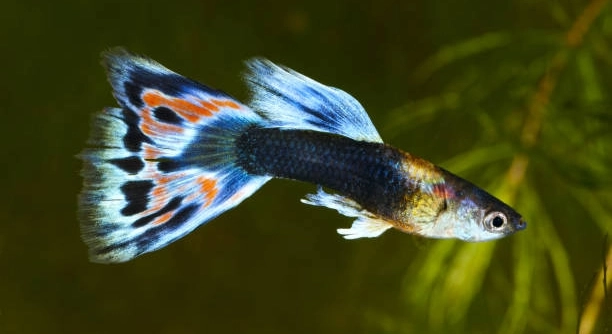
Guppy fry are often seen near the surface of their tank, which can be puzzling for many fishkeepers. Understanding the cause of this behavior is essential for ensuring the health and well-being of your fry.
The most common reasons for guppy fry staying at the surface include poor water quality, low oxygen levels, temperature fluctuations, or a lack of proper hiding places. Identifying the exact cause is crucial for addressing the issue effectively.
Knowing what causes this behavior can help improve your fry’s environment and keep them healthy. Understanding these factors will guide you in providing the best care for your guppy fry.
Poor Water Quality
Water quality plays a huge role in guppy fry health. If the water is dirty, they might swim at the surface to escape harmful substances or toxins. Ammonia, nitrates, and nitrites can all cause stress to your fry. These chemicals are often found in uncycled tanks or when filtration systems are inadequate. If you’ve recently set up the tank, or if you haven’t done water changes regularly, the water may become polluted. Guppy fry are more sensitive to poor water conditions than adult fish, which is why they’re likely to seek refuge at the surface.
Even slight changes in water parameters can affect fry more dramatically. Ammonia and nitrate buildup can cause them to gasp for air, and they may move to the top in search of oxygen. Regular water testing is essential to avoid these issues. Performing water changes and ensuring proper filtration will help maintain a healthier environment.
Keeping your tank clean will not only make sure the water quality is safe but also reduce the stress on your guppy fry. Maintaining stable water parameters is key to their growth and development.
Low Oxygen Levels
Low oxygen levels in the water are another reason your guppy fry may stay at the surface. Fry, being smaller and more delicate, need more oxygen than adult fish. Inadequate aeration or a weak filtration system can lower oxygen in the water, causing fry to swim towards the top where the oxygen concentration is higher.
You can fix this issue by increasing aeration in the tank, either by adding an air pump or adjusting the filtration system to improve water movement. Adding live plants can also help increase oxygen levels by releasing oxygen during the day.
Temperature Fluctuations
Fluctuating water temperatures can stress your guppy fry, causing them to swim near the surface. Fry are especially sensitive to temperature changes, and if the water becomes too hot or too cold, they may move upward where the temperature is slightly more stable. It’s important to keep the water temperature consistent to prevent this behavior.
Using a reliable aquarium heater and thermometer will help maintain a stable environment for your fry. Aim for a water temperature between 76-80°F (24-27°C). Sudden drops or increases in temperature can stress fry and even lead to illness or death, so consistency is key.
Monitoring your tank’s temperature regularly can prevent temperature-related issues. Keeping your water conditions steady ensures that your fry grow healthily, without unnecessary stress. If your tank’s environment fluctuates frequently, it may be time to adjust your setup to maintain a stable temperature range.
Lack of Hiding Places
Fry often seek the surface because they feel exposed and vulnerable without proper hiding spots. Guppy fry are small and easy prey for adult fish, so they instinctively stay near the surface to avoid danger. A lack of plants, decorations, or other hiding places can make them feel unsafe.
Providing plenty of plants and hiding spots, such as aquarium moss or small caves, gives fry a sense of security. These hiding spots can be placed at different levels of the tank to ensure fry have options for shelter. Without these safe spaces, fry are more likely to stay near the surface to stay out of sight.
Adding plants and structures to your tank will help reduce stress and encourage your fry to explore other areas of the aquarium. Fry that feel safe are more likely to move around and grow into healthy fish.
Overcrowding
Overcrowding in the tank can make fry feel stressed, pushing them to the surface for some relief. When too many fish are in a small space, it reduces oxygen levels and increases the likelihood of dirty water, both of which contribute to fry staying near the top.
If your fry tank is overstocked, consider reducing the number of fish or transferring some to a separate tank. This will reduce stress and allow for better water quality and oxygen levels. A less crowded tank will help your fry grow stronger and healthier.
Insufficient Food
If fry aren’t getting enough food, they may swim to the surface in search of food particles. This behavior can also be linked to hunger or lack of proper nutrition. Guppy fry need frequent feeding with small amounts of high-quality food that they can easily consume.
To address this issue, make sure to feed them small portions multiple times a day. Use powdered or finely crushed food suitable for fry, as larger food particles may not be able to reach them at the bottom. This ensures they are getting the nutrition they need to thrive.
Poor Lighting
Incorrect lighting can also affect the fry’s behavior. Guppy fry may swim near the surface if the tank is too brightly lit or too dark, as they might feel safer in such conditions. Proper lighting ensures they have a balanced environment and encourages normal activity.
Try using soft, low-intensity lighting in the tank. This will help simulate natural light conditions, making your fry feel more comfortable and less likely to stay at the surface. It’s important to strike the right balance between light and darkness for healthy development.
FAQ
Why are my guppy fry staying at the surface?
Guppy fry often stay at the surface due to several reasons, including low oxygen levels, poor water quality, temperature fluctuations, or lack of hiding spots. Fry are more sensitive than adult fish and will seek the surface if the water conditions are unfavorable. Regular water testing, proper aeration, and a stable tank environment can help resolve this issue.
What should I do if my guppy fry are gasping for air at the surface?
If your guppy fry are gasping at the surface, it usually indicates a lack of oxygen or poor water quality. Ensure your tank is properly aerated with an air pump or sponge filter. Check the water parameters, particularly ammonia, nitrites, and oxygen levels. Perform water changes regularly to keep the tank clean.
How can I improve the water quality for my guppy fry?
To improve water quality for your guppy fry, use a high-quality filtration system and perform regular water changes. Test your water for ammonia, nitrites, and nitrates to ensure they’re at safe levels. Adding live plants can also help absorb excess nutrients, keeping the water clean and oxygenated. Make sure to monitor the water’s temperature as well, as unstable temperatures can harm the fry.
Should I be concerned if my guppy fry are staying at the surface all the time?
While occasional surface behavior isn’t uncommon, if your guppy fry are constantly staying at the surface, it may be a sign of an issue. It’s important to assess water quality, oxygen levels, and temperature. Ensure there are enough hiding places and reduce the tank’s stocking density if necessary. Addressing these factors will help reduce surface behavior.
Can overcrowding affect guppy fry behavior?
Yes, overcrowding can significantly impact guppy fry behavior. When there are too many fish in a tank, it leads to high waste production, poor water quality, and low oxygen levels. This stresses the fry, causing them to seek safety near the surface. Reducing the number of fish and providing more space will help improve their behavior.
What water temperature is best for guppy fry?
Guppy fry thrive in water temperatures between 76-80°F (24-27°C). A stable temperature is important, as fluctuations can stress the fry. Sudden temperature changes may cause them to swim near the surface in search of a more comfortable area. Using an aquarium heater with a thermometer can help maintain a consistent temperature.
How often should I feed guppy fry?
Guppy fry should be fed small amounts of food multiple times a day. They have small stomachs and require frequent feedings to support their growth. Use finely crushed or powdered food to ensure they can eat it easily. Avoid overfeeding, as uneaten food can pollute the water and harm the fry.
Is it normal for guppy fry to swim in circles at the surface?
It’s not uncommon for guppy fry to swim in circles, especially when they’re exploring or searching for food. However, if they do this excessively, it could be a sign of stress. Check for poor water conditions, oxygen levels, or overcrowding, and address these factors to improve their behavior.
How do I know if my guppy fry are stressed?
Signs of stress in guppy fry include erratic swimming, gasping at the surface, staying in one spot for extended periods, and fading or unusual coloration. Stress can be caused by poor water quality, overcrowding, or inadequate temperature. Regular water testing and tank maintenance can help reduce stress and keep your fry healthy.
Why do guppy fry swim near the surface instead of the bottom of the tank?
Guppy fry swim near the surface to avoid danger, as they may feel safer there. In the wild, fry are more likely to stay near the top to avoid predators. If there are no hiding spots or adequate food on the bottom of the tank, they may naturally move toward the surface. This behavior can also be due to low oxygen levels or poor water quality.
Can adding more plants help reduce fry’s surface behavior?
Yes, adding more plants to the tank can help reduce fry’s surface behavior. Plants provide hiding spots, helping the fry feel safer and less stressed. They also help improve water quality by absorbing excess nutrients and increasing oxygen levels. Having plants at various levels in the tank encourages fry to explore other areas instead of staying at the surface.
Do guppy fry need a separate tank from adults?
While it’s not strictly necessary, having a separate tank for guppy fry is highly recommended. Adult guppies may eat the fry, and overcrowding can lead to poor water quality, which is harmful to their development. A separate tank provides a safer environment where you can control the water conditions more easily.
Why are my guppy fry swimming at the top of the tank but not eating?
If your guppy fry are swimming at the top but not eating, it could indicate water quality issues or stress. Check the water parameters to ensure they’re within the ideal range. Make sure the food is appropriate for their size, and ensure they are comfortable in the environment. If they continue to avoid food, consider reducing the light intensity or adding more hiding places.
Final Thoughts
Understanding why your guppy fry are staying at the surface is important for their health and growth. There are many potential reasons for this behavior, such as poor water quality, low oxygen levels, temperature fluctuations, or overcrowding. Identifying the cause and addressing it can make a big difference in the well-being of your fry. Keeping the tank clean, ensuring proper aeration, and providing a stable temperature are all essential steps in supporting your fry as they grow.
Proper tank maintenance is key. Regular water testing, water changes, and using a good filtration system can prevent many issues related to water quality. Additionally, adding plants and hiding spots can reduce stress and help fry feel safer, which might encourage them to explore more of the tank instead of staying at the surface. The more comfortable your fry feel, the more likely they are to develop into healthy, vibrant adult guppies.
By paying attention to water conditions and making small adjustments to their environment, you can ensure your guppy fry thrive. Whether it’s adjusting the tank’s temperature, improving aeration, or giving them more space, these simple actions can go a long way in preventing surface behavior and promoting healthy growth. Keeping an eye on your fry’s behavior and responding quickly to any changes will give them the best chance at a long, healthy life in your aquarium.

Hello,
If you enjoy the content that we create, please consider saying a "Thank You!" by leaving a tip.
Every little bit helps us continue crafting quality advice that supports the health, happiness, and well-being of pets around the world, for pets of all shapes, sizes, and species.
We really appreciate the kindness and support that you show us!