
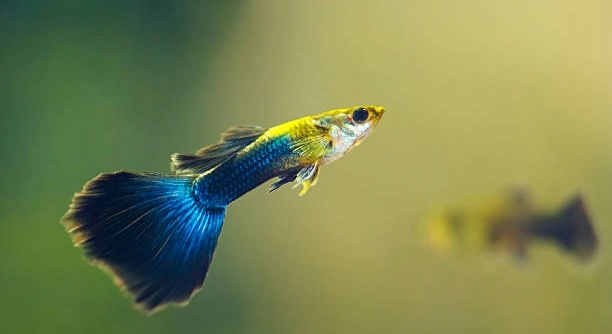
Sometimes, when keeping guppies, you may notice one of them floating near the surface, yet still alive. It can be concerning when your pet fish isn’t acting quite like usual.
Floating in one spot could signal a variety of health issues or environmental factors affecting your guppy. It’s important to understand these causes so you can take action and ensure your guppy’s well-being.
There are several possible reasons behind your guppy’s unusual floating behavior. Learning these will help you better care for your pet and prevent future issues.
Swim Bladder Disorder
A common reason your guppy may float is swim bladder disorder, a condition where the fish’s buoyancy control is affected. This issue can be caused by several factors, including constipation, injury, or an infection. Fish with swim bladder problems may struggle to stay level in the water, often floating to the surface or sinking to the bottom. This can make it look like the guppy is alive but struggling to swim properly.
In some cases, swim bladder disorder may resolve on its own. However, it’s important to monitor the guppy closely. If the problem persists, there are simple treatments that can help improve the fish’s condition.
To assist your guppy, consider adjusting its diet by offering foods that aid digestion. You can also try fasting your guppy for a day or two to allow its digestive system to clear up. If the disorder is caused by an infection, antibiotics or a change in water conditions may be necessary. Regular water changes and a balanced diet can help prevent these issues from reoccurring.
Water Quality
Poor water quality is another major factor contributing to unusual behavior in guppies, including floating. Ammonia, nitrites, and even high levels of chlorine can affect their overall health and buoyancy. Guppies are sensitive to their environment, so even small changes in water chemistry can lead to stress, making them act strangely.
Maintaining a clean and stable environment is essential for your guppy’s health. Regularly testing your aquarium water for pH, ammonia, and nitrate levels ensures the fish stay in a healthy space.
Improper water conditions can damage your guppy’s organs, including the swim bladder, leading to issues with floating. To prevent this, clean the tank weekly and ensure proper filtration. A quality water conditioner can also help remove harmful chemicals that may harm the fish. If the water’s not optimal, your guppy’s behavior can become erratic and it may float more than usual. Keeping the tank’s environment stable will not only address floating but also improve the overall health of your fish.
Infection or Disease
Infections or diseases can cause guppies to float. A common issue is a bacterial infection, which can affect their swim bladder or cause other internal problems. Infected fish may exhibit abnormal swimming patterns, floating or struggling to maintain control of their position in the water.
If you suspect your guppy has an infection, look for other signs such as discolored patches, swelling, or loss of appetite. Infections often lead to internal fluid buildup, affecting buoyancy. You can treat this with medications, but it’s important to follow the dosage instructions carefully to avoid harm to the fish.
A clean tank is crucial when treating a sick guppy. Separate the infected fish to avoid spreading the disease, and keep an eye on the water’s quality. Keeping the tank free from harmful bacteria is key to preventing infections and helping your guppy recover.
Age
As guppies get older, their ability to maintain proper buoyancy may decline. With age, their organs may not function as effectively, including the swim bladder, leading to unusual floating behavior. Older guppies may also experience weakened muscles, which makes swimming more difficult.
While this is a natural part of aging, you can still help your senior guppy feel better. Consider feeding high-quality, easy-to-digest food to support their health. Keep their tank in the best condition possible, with stable water temperatures and good filtration to reduce stress.
You may notice that an older guppy floats more often or struggles to swim properly. While this may not be preventable, providing the right care will help improve the quality of life in their later years. Ensure the tank has plenty of hiding spots for comfort and security.
Tank Mates
Aggressive tank mates can cause your guppy to float. If a more dominant fish is bullying or stressing your guppy, it can affect its behavior, making it more likely to float or remain near the surface. This stress can interfere with its swimming abilities.
Consider removing aggressive fish or adding more plants and hiding spots for your guppy. This will provide a safer space and reduce the stress from unwanted interactions. It’s important that all tank mates are compatible to prevent further stress and health issues for your guppy.
Temperature Fluctuations
Temperature changes can make your guppy float due to stress or discomfort. Guppies thrive in a stable temperature range between 72-82°F (22-28°C). If the water is too cold or too hot, they may struggle to maintain buoyancy.
Make sure your tank has a reliable heater to keep the temperature stable. Sudden drops or spikes in temperature can lead to shock, causing your guppy to float or act sluggish. Using a thermometer will help you monitor the water, ensuring it stays within the ideal range.
FAQ
Why is my guppy floating but still alive?
Floating but still alive can indicate a variety of issues, including swim bladder disorder, stress, poor water quality, or overfeeding. If your guppy seems to be struggling to swim or is staying at the surface, it could be due to one of these factors. Carefully monitor its behavior and the water conditions to identify the cause. A trip to the vet might also be necessary for a more accurate diagnosis.
How can I help my guppy with swim bladder disorder?
To treat swim bladder disorder, try feeding your guppy easy-to-digest foods like peas or fasting it for a day or two to allow its digestive system to reset. If the disorder is caused by an infection, medicated food or water treatments may be required. You can also try raising the water temperature slightly, as warmer water can help improve circulation and digestion, potentially easing the problem.
What should I do if my guppy is stressed?
If your guppy is stressed, try to identify and eliminate the stressors. Ensure that the tank’s environment is peaceful and that all tank mates are compatible. Provide hiding spots or plants to help your guppy feel secure. Keep the water temperature stable and avoid sudden changes. You can also remove aggressive tank mates or move your guppy to a separate tank to help reduce the stress.
Can overfeeding cause a guppy to float?
Yes, overfeeding is one of the most common causes of floating behavior. Overfeeding can lead to bloating, which interferes with your guppy’s buoyancy and digestion. To prevent this, only feed your guppy what it can eat in a few minutes, and remove any uneaten food from the tank to avoid water quality issues. If overfeeding is suspected, fasting for 24-48 hours can help.
Is water quality really that important for a guppy’s health?
Water quality is critical for guppies. Poor water quality can lead to stress, infection, and various health issues, including floating. Regular water changes, proper filtration, and monitoring of ammonia, nitrite, and nitrate levels will help maintain a healthy environment for your guppy. Clean water helps prevent the development of diseases that could cause abnormal floating behavior.
How do I know if my guppy is sick or just old?
Older guppies may naturally float more often due to weakened swim bladders or other age-related issues. However, if your guppy shows signs like discoloration, swelling, or loss of appetite, it could be sick. Sick fish may also float due to internal infections or diseases. Look for symptoms like lesions, fins clamped tightly, or difficulty swimming to determine if it’s a health issue.
Can aggressive tank mates cause my guppy to float?
Yes, aggressive tank mates can stress your guppy, leading to floating or other abnormal behavior. If your guppy is being bullied or chased, it can cause anxiety, which affects its buoyancy and health. Consider moving aggressive fish to another tank or adding more hiding places in the current tank to give your guppy a safer space.
What temperature should the water be for my guppy?
Guppies thrive in a stable temperature range between 72-82°F (22-28°C). If the water is too hot or too cold, it can cause stress, and the guppy may struggle to swim or float unnaturally. Make sure your tank has a reliable heater and monitor the temperature with a thermometer to keep it within the ideal range.
Can I treat my guppy with over-the-counter medications?
Over-the-counter medications can help treat certain conditions, like bacterial infections or parasites, but it’s important to know what you’re treating. If your guppy is floating due to a swim bladder issue, these medications may not be effective. Always follow the directions carefully and, if in doubt, consult with a vet or aquatic specialist for guidance.
How often should I change the water in my guppy’s tank?
Changing the water regularly is crucial for keeping your guppy healthy. A good rule of thumb is to change 20-30% of the water every week. This helps maintain proper water quality, removes toxins, and ensures that your guppy stays in a clean and safe environment. If the tank is heavily stocked, you may need to change the water more frequently.
Final Thoughts
If your guppy is floating but still alive, it can be a sign of several different issues. It’s important to consider factors like swim bladder disorder, overfeeding, stress, or water quality. These can all affect your guppy’s ability to swim properly and may cause it to float at the surface or in an unusual position. By carefully observing your fish, you can often figure out the root cause and take steps to help it. Monitoring the water conditions and ensuring your guppy’s diet is balanced are key to preventing many of these problems.
Guppies are generally hardy and adaptable fish, but they can be sensitive to changes in their environment. Issues like poor water quality or incompatible tank mates can cause stress, which might lead to floating behavior. Making sure your guppy’s tank is clean, with the right temperature and a peaceful environment, will go a long way in maintaining its health. Remember that stress can take time to affect your guppy, so small changes over time may cause long-term issues if not addressed early on.
While some floating behavior might be temporary or a sign of aging, it’s always a good idea to pay close attention to your fish. If the floating persists or worsens, you may need to try different solutions, like adjusting the diet, changing the tank’s setup, or seeking advice from an expert. By staying proactive and making small adjustments, you can help your guppy live a healthier, happier life.

Hello,
If you enjoy the content that we create, please consider saying a "Thank You!" by leaving a tip.
Every little bit helps us continue crafting quality advice that supports the health, happiness, and well-being of pets around the world, for pets of all shapes, sizes, and species.
We really appreciate the kindness and support that you show us!