
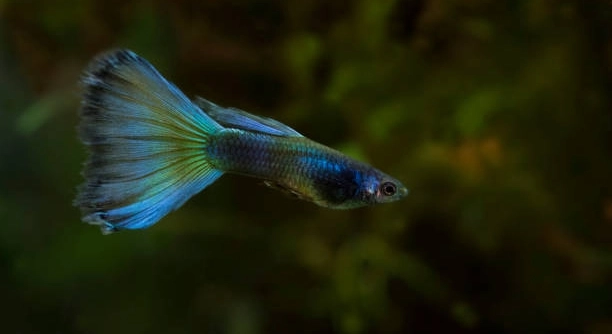
Guppies are active swimmers, but occasionally, you may notice them floating at the surface. Understanding the potential causes for this behavior can help ensure their health and well-being in your aquarium.
Several factors contribute to your guppy floating at the surface. The main causes include swim bladder issues, poor water conditions, stress, improper diet, and a range of environmental factors. Addressing these issues promptly can restore balance.
Identifying these factors early can help prevent further complications, ensuring a healthier environment for your guppy.
Swim Bladder Issues
Swim bladder problems are one of the most common reasons why a guppy floats at the surface. This organ helps fish maintain buoyancy, but when it becomes damaged or infected, it can cause floating problems. If your guppy is struggling to stay submerged, the swim bladder might not be functioning correctly. The issue can result from overfeeding, which leads to constipation and impacts the bladder’s ability to work properly. Additionally, infections or injuries to the bladder area can cause similar symptoms. Fish that struggle with swim bladder problems often appear lethargic, floating sideways or upside down. Addressing this early by adjusting their diet or treating potential infections can help your guppy recover.
When you notice floating behavior, it’s essential to act quickly. Reducing the amount of food offered and ensuring clean, well-filtered water will ease some of the pressure on the swim bladder.
In severe cases, a quarantine tank with proper water conditions can allow the guppy to recover without the stress of other tank mates. Providing a more controlled environment is often key to preventing further complications.
Poor Water Conditions
If your tank’s water quality is poor, it can significantly impact your guppy’s behavior. High levels of ammonia, nitrites, or nitrates can create a toxic environment for fish, leading to stress and abnormal swimming patterns.
To fix this, ensure regular water changes, clean the tank filter, and test the water regularly.
Stress
Stress can cause your guppy to float at the surface. Overcrowding, sudden changes in water temperature, or the presence of aggressive tank mates can all trigger stress. Guppies are sensitive to their environment, and stress affects their health, making them more vulnerable to diseases.
To reduce stress, ensure your tank is spacious enough for all fish and provide hiding spots where they can retreat. Maintaining stable water conditions and avoiding rapid changes will also help prevent stress from affecting your guppy. Additionally, keeping aggressive fish separate from more peaceful ones can create a more comfortable atmosphere for all tank residents.
When guppies feel safe and calm, they’re more likely to behave normally. Regular observation can help spot signs of stress early, allowing you to adjust the tank environment before it worsens. A well-maintained tank leads to happier, healthier fish.
Improper Diet
An improper diet can also lead to a guppy floating at the surface. If your fish aren’t getting the right nutrients, they may develop swim bladder issues or digestive problems. A lack of fiber or overfeeding can cause constipation, affecting their buoyancy.
Providing a balanced diet that includes a mix of high-quality flakes, pellets, and occasional live food helps ensure your guppy receives all the necessary nutrients. Avoid overfeeding, as this can lead to water quality problems and health issues like swim bladder disorder.
Switching to a varied and controlled feeding routine is essential. Offer food in small amounts, ensuring it’s consumed within a few minutes to avoid excess waste in the tank.
Water Temperature
Extreme water temperatures can cause a guppy to float at the surface. Guppies thrive in water temperatures between 72°F and 82°F (22°C to 28°C). If the temperature is too high or low, it can affect their buoyancy.
Using a reliable aquarium heater helps maintain a stable environment. Additionally, sudden temperature changes can cause stress, leading to abnormal behavior like floating.
Regularly check the temperature and avoid placing your tank near windows or heat sources, as these can cause fluctuations. Maintaining consistent water temperature supports overall health and helps prevent floating behavior.
Tank Size
If your tank is too small, it can lead to a variety of issues for your guppy, including floating at the surface. Guppies need space to swim freely and feel comfortable.
Overcrowding can also result in stress, poor water quality, and restricted movement. Ensuring your tank is large enough for the number of fish you have is vital for maintaining a healthy, stable environment. A larger tank also makes it easier to manage water quality, which is key to preventing floating issues.
FAQ
Why is my guppy floating upside down?
A guppy floating upside down is often a sign of swim bladder disorder, which can be caused by overfeeding or constipation. When the swim bladder is affected, it disrupts the guppy’s ability to maintain proper buoyancy. Ensure you’re feeding the right amount of food and avoid overfeeding, as this can lead to digestive issues. If your guppy remains upside down, consider isolating it in a separate tank with optimal conditions, allowing it to recover without further stress from other fish.
What causes my guppy to stay at the top of the tank?
If your guppy stays near the surface of the water, it could be due to poor water quality, low oxygen levels, or swim bladder issues. Poor water conditions, such as high ammonia or nitrites, affect the fish’s health and swimming behavior. Test the water regularly to ensure it’s within the appropriate range. If the oxygen levels are low, adding an air stone can help. Keeping the water clean and maintaining good filtration are key to preventing surface-floating behavior.
How can I tell if my guppy is sick?
Signs that your guppy might be sick include floating at the surface, erratic swimming, clamped fins, loss of appetite, or faded colors. If your guppy is floating abnormally, it could be dealing with swim bladder issues, stress, or poor water conditions. Pay attention to any changes in behavior and address potential water quality issues. Quarantining sick fish in a separate tank can help prevent the spread of illness to other fish in your main tank.
Can guppies float at the surface due to stress?
Yes, stress can cause guppies to float at the surface. Stress from overcrowding, incompatible tank mates, or rapid changes in water conditions can lead to behavioral changes. Guppies are sensitive to their environment, and stress can weaken their immune system, making them more susceptible to diseases. Providing a peaceful and stable tank environment, with appropriate water conditions and hiding spots, can help reduce stress and encourage healthier behavior.
Should I be concerned if my guppy is floating on its side?
Floating on its side can indicate a serious health problem, such as swim bladder disease or internal injuries. Swim bladder disorders often result from overfeeding or constipation, while other issues may require more immediate attention. If your guppy is floating on its side, it’s essential to assess water quality, diet, and the possibility of injuries. In some cases, a quarantine tank with proper conditions can help the fish recover.
Is it possible for a guppy to float due to overfeeding?
Yes, overfeeding is one of the most common causes of guppies floating at the surface. Excess food leads to constipation, which can affect the swim bladder and cause buoyancy issues. It’s important to feed guppies in small amounts, ensuring they eat everything within a few minutes to avoid leftover food and waste that can contaminate the tank. A proper feeding routine helps prevent swim bladder problems caused by overfeeding.
How can I prevent my guppy from floating at the surface?
To prevent floating at the surface, maintain clean water conditions with regular water changes and proper filtration. Ensure the water temperature is within the ideal range for guppies and that the tank is spacious enough to reduce stress. Avoid overfeeding and ensure a balanced diet to prevent digestive issues. Proper tank maintenance and monitoring the overall environment will keep your guppy healthy and active.
Can water temperature affect my guppy’s behavior?
Yes, improper water temperature can significantly affect your guppy’s behavior, including floating at the surface. Guppies thrive in water temperatures between 72°F and 82°F (22°C to 28°C). Water that’s too hot or cold can cause stress, affecting their buoyancy and causing abnormal swimming patterns. Using a reliable aquarium heater to maintain consistent water temperature is essential for your guppy’s health and stability.
What should I do if my guppy is floating but eating normally?
If your guppy is floating but still eating normally, it may be a sign of swim bladder issues rather than a more serious illness. In this case, adjust the diet to prevent constipation, such as by providing foods high in fiber. Ensure that the water quality is optimal, and observe the guppy closely. If the behavior continues, consider isolating it in a quarantine tank for further observation and treatment.
How can I help a guppy with swim bladder issues?
To help a guppy with swim bladder issues, start by adjusting its diet. Reduce the amount of food, particularly high-protein or fatty foods that can cause constipation. Feeding the fish peas or other fibrous foods can aid in digestion and relieve swim bladder pressure. Maintain clean water conditions, and consider isolating the guppy in a separate tank for a few days to reduce stress and aid recovery. In severe cases, consult a vet for treatment options.
Final Thoughts
Guppies are small, active fish that are generally easy to care for, but their health can sometimes be affected by various factors. If your guppy is floating at the surface, it could be due to issues like swim bladder problems, poor water quality, or stress. Each of these causes can be managed with simple changes to their environment or diet. Regular water testing and maintaining stable conditions are crucial in preventing many of these issues. A well-maintained tank will keep your guppy healthier and reduce the likelihood of abnormal floating behavior.
Addressing the cause of the issue is key to ensuring your guppy’s recovery. If swim bladder disorder is the problem, adjusting their diet and avoiding overfeeding can often help. Ensuring your tank is spacious enough and has enough hiding spots can reduce stress, which is another common reason for abnormal behavior. Water temperature, oxygen levels, and water quality all play a significant role in keeping guppies healthy. Regular water changes and proper filtration should be part of your routine care. If your guppy continues to show signs of floating at the surface, it might be a good idea to isolate it temporarily in a separate tank to monitor its condition more closely.
By taking proactive steps to manage water quality, stress levels, and feeding habits, you can help your guppy avoid these issues in the future. Early detection of any symptoms and prompt adjustments can make a significant difference in their well-being. A healthy, stable tank environment will not only prevent floating issues but also promote a more active and thriving guppy population in your aquarium.

Hello,
If you enjoy the content that we create, please consider saying a "Thank You!" by leaving a tip.
Every little bit helps us continue crafting quality advice that supports the health, happiness, and well-being of pets around the world, for pets of all shapes, sizes, and species.
We really appreciate the kindness and support that you show us!