
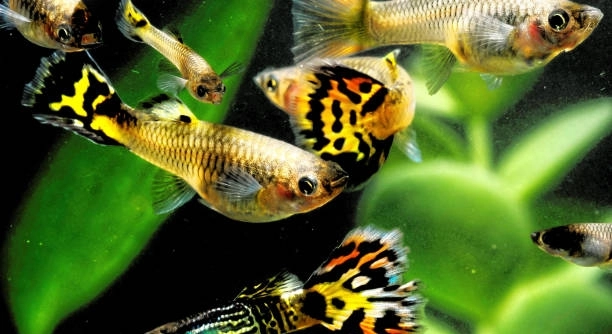
If you’re a guppy owner, you may have noticed that your guppies are not breeding as frequently as before. This can be frustrating, especially if you are hoping to grow your guppy colony. Understanding the causes behind slowed breeding can help you address the issue effectively.
The main reasons your guppy breeding may be slowing down include environmental stress, water quality, diet, or imbalanced male-to-female ratios. These factors can disrupt the breeding process and lead to fewer successful births or lower activity levels.
By identifying the causes of slower breeding, you can make changes that promote a healthier environment for your guppies and encourage more frequent breeding.
1. Water Quality
Water quality plays a major role in guppy health and breeding habits. If your tank’s water parameters are off, such as the pH being too high or low, or the temperature fluctuating, your guppies may not feel comfortable enough to breed. Guppies thrive in water that is stable, clean, and well-maintained. Regular water changes are essential to ensure that toxins like ammonia and nitrites do not build up. If these levels rise, guppies can become stressed, leading to reduced breeding activity. Maintaining proper water conditions is one of the most effective ways to encourage healthy breeding.
If the water is consistently poor, guppies may stop breeding or even show signs of illness. It’s important to test the water regularly to keep these factors in check.
Ensuring that the water stays at the right temperature (around 75–80°F) and pH (between 6.8 and 7.8) is key. Use a reliable water test kit to monitor these levels and adjust them accordingly. Guppies also prefer slightly soft to moderately hard water. Keeping the tank clean will help avoid any unwanted stress that might slow down breeding.
2. Male to Female Ratio
An imbalanced male-to-female ratio can impact how often your guppies breed. If you have too many males in the tank, they may stress the females, causing them to become less active in breeding. On the other hand, a shortage of males may leave females without enough opportunities to mate. The ideal ratio is about one male for every two or three females. This balance helps reduce competition and stress, creating a better environment for breeding.
If the ratio is too high on either side, it could lead to reduced breeding behavior and even health issues for the guppies. Maintaining a balanced ratio ensures both males and females are engaged and comfortable.
Adding more females to the tank can help reduce aggressive behavior among males. Over time, this can lead to better breeding rates. It’s important to keep an eye on how the fish interact and adjust the numbers accordingly to keep the tank peaceful.
3. Stress Levels
Stress is a big factor in slowing down guppy breeding. If guppies feel unsafe or uncomfortable, they may stop mating altogether. Stress can come from many things, like sudden changes in water temperature, aggressive tank mates, or overcrowding. When stressed, guppies prioritize survival over reproduction, leading to less breeding activity.
To reduce stress, provide plenty of hiding spots in the tank for your guppies. Plants and decorations like rocks or caves can help them feel secure. Avoid sudden changes in water parameters, and make sure the tank isn’t overcrowded. Keep tank mates compatible, as aggressive or overly active fish can disrupt the peaceful environment needed for breeding.
Another way to lower stress is to keep the tank environment as stable as possible. Constant fluctuations in light or noise can also upset your guppies. Maintaining a calm and quiet space helps them feel more comfortable, encouraging them to breed.
4. Diet
A poor diet can have a direct effect on your guppy’s breeding behavior. Guppies need a balanced diet that includes both plant and animal matter. If they’re not getting enough nutrients, they may become unhealthy or lack the energy to breed. Feed them a variety of foods such as flakes, frozen or live foods, and occasional vegetables.
Too much protein can lead to health problems like bloating or digestive issues, while too little can leave them weak and lethargic. Ensure that the diet includes sufficient vitamins, minerals, and fiber to keep your guppies in prime condition for breeding. Overfeeding can also lead to water quality problems, which can further stress your fish and hinder breeding.
For better results, consider feeding guppies multiple times a day in small amounts. This helps keep their energy levels high and ensures they are getting the nutrients they need. Mixing in foods like daphnia or brine shrimp can stimulate their appetite and encourage mating.
5. Age of the Guppies
Guppies have a limited breeding lifespan. As they age, their ability to reproduce decreases. Typically, guppies are most fertile between 3 to 12 months old. Once they get older, they may become less active and produce fewer fry.
Older guppies may also experience health issues that affect their breeding. It’s important to monitor their age and health, and replace older fish with younger ones to maintain a steady breeding cycle. If you notice a decrease in breeding activity, the age of your fish could be a factor to consider.
6. Water Temperature
Water temperature plays a key role in guppy breeding. If the water is too cold, guppies may not breed at all, while too high a temperature can cause stress. The ideal range is between 75°F and 80°F.
Ensure that the tank temperature stays consistent and avoid sudden fluctuations, which can cause stress and disrupt the breeding process. A reliable heater is necessary to maintain a steady temperature, especially during colder months. Keep in mind that higher temperatures may increase metabolism and the need for more oxygen, so ensure proper aeration.
7. Tank Size
If your tank is too small, guppies may not feel comfortable enough to breed. Overcrowding can lead to stress and reduce breeding chances. A tank that’s too cramped prevents guppies from engaging in natural behaviors, which impacts reproduction.
To ensure a breeding-friendly environment, provide enough space for the guppies to move freely. A 10-gallon tank is usually sufficient for a small group of guppies. Larger tanks are even better, as they offer more room for the fish to thrive and reproduce without feeling crowded or stressed.
FAQ
Why are my guppies not breeding?
There are several reasons your guppies may not be breeding. Most commonly, factors such as poor water quality, an imbalanced male-to-female ratio, stress, or incorrect water temperature can interfere with the breeding process. It’s also possible that your guppies are too old or not receiving a proper diet. Checking and adjusting these factors is key to encouraging breeding. Ensure that the water is clean and stable, the temperature is within the right range, and your fish are healthy and well-fed.
How can I tell if my guppies are breeding?
You can tell that your guppies are breeding when the males chase the females, displaying vibrant colors and doing small “courtship dances.” Female guppies may also become noticeably larger as they carry fry (baby fish). Additionally, you might notice a drop in the female’s belly as she releases her fry. It’s important to separate pregnant females into a breeding tank or a breeding box to ensure the fry have a safe environment to grow in.
Can guppies breed in cold water?
Guppies do not breed well in cold water. They thrive in water temperatures between 75°F and 80°F. If the water is too cold, their metabolism slows down, and they may not be able to breed at all. If your tank water falls below 70°F, it’s best to use a heater to raise the temperature to a comfortable range for breeding.
How long does it take for guppies to breed?
Guppies can breed relatively quickly, and the gestation period for a female guppy is about 21 to 30 days. After this time, the female will give birth to live fry. The time it takes for guppies to breed can vary depending on factors like age, water quality, temperature, and diet. On average, you can expect to see baby guppies within a month if conditions are right.
Why aren’t my male guppies mating?
Male guppies may not be mating for a few reasons. One common issue is stress, which can arise from overcrowding, poor water quality, or aggressive tank mates. Male guppies also need to be healthy and active to show interest in mating. A poor diet or an imbalance in the male-to-female ratio can also make males less likely to engage in mating behavior. Ensuring that males are not stressed and have enough females to mate with can help trigger mating activity.
Do guppies need a male to give birth?
No, female guppies do not need a male to give birth. Once a female guppy mates with a male, she can store sperm in her body for several months. This allows her to give birth to multiple batches of fry without the need for further mating. However, if you have a female with no male in the tank, she will not be able to get pregnant again, but she may still give birth to the fry from a previous mating.
How can I improve the chances of my guppies breeding?
To improve the chances of breeding, you need to ensure the water conditions are ideal. Make sure the temperature is between 75°F and 80°F, and the water is clean with the proper pH levels. Providing a varied diet with a balance of protein, vegetables, and other nutrients will also support healthy breeding. Additionally, try to maintain a proper male-to-female ratio, with one male for every two or three females, to reduce stress and promote breeding activity.
How can I tell if my guppy is pregnant?
Pregnant female guppies usually have a noticeably round or swollen belly. The gravid spot, a dark spot near the anal fin, becomes more visible as the pregnancy progresses. As the fry develop, the belly will grow larger. You may also notice the female becoming less active and hiding more as she prepares for birth. It’s important to separate pregnant females into a breeding tank to protect the fry from being eaten by other fish.
How often do guppies breed?
Guppies can breed every month under the right conditions. Female guppies can give birth to 20-40 fry every 21 to 30 days, depending on their age, health, and the quality of care they receive. Since they can store sperm, a single mating can lead to multiple batches of fry without needing to mate again immediately. Providing a healthy environment encourages regular breeding.
How many fry do guppies have?
A female guppy can give birth to anywhere from 20 to 50 fry at a time, though the number can vary. Younger females or those with smaller bodies may have fewer fry, while older or healthier females can produce more. It’s important to have a tank or breeding box ready to house the fry as they can be eaten by other fish if left unprotected.
Can guppies breed with other fish?
Guppies cannot successfully breed with other species of fish. They can only reproduce with other guppies. While different species of fish may show interest in each other, their reproductive systems are incompatible, so breeding is not possible. Guppies are livebearers, meaning they give birth to live fry rather than laying eggs.
What should I do if my guppy has babies?
When your guppy gives birth, the first step is to move the fry to a separate tank or breeding box. This protects them from being eaten by other fish in the tank. You can feed the fry with crushed flakes or specialized fry food. Make sure the fry have a safe space to grow without being disturbed by adult fish. Keep the water conditions stable, and ensure the fry have plenty of hiding spots to avoid stress.
How long does it take for guppy fry to grow?
Guppy fry typically grow quickly, reaching maturity in about 3 to 4 months. However, the rate of growth can depend on factors like the quality of food, water conditions, and tank environment. Providing a varied diet and maintaining optimal water conditions will help fry grow faster and healthier. As they grow, they’ll begin to show the bright colors typical of adult guppies.
Final Thoughts
Guppy breeding can be a rewarding experience, but it does require attention to detail and careful management of the tank environment. If you notice your guppy breeding slowing down, it’s important to check several factors. Water quality, temperature, diet, and the overall health of your guppies all play crucial roles in their ability to breed successfully. Small changes in these areas can often make a significant difference. For example, improving water conditions or adjusting the male-to-female ratio can encourage your guppies to breed more frequently.
One of the key takeaways is the need for stability in the tank. Guppies, like many other fish, thrive in a consistent environment. Stress caused by fluctuating temperatures, poor water quality, or overcrowding can reduce their ability to breed. Providing hiding spaces and avoiding aggressive tank mates will help reduce stress and create a more comfortable space for your guppies. Moreover, keeping the right temperature range and maintaining clean, filtered water is vital for their health and breeding success. Don’t overlook the importance of a balanced diet, as it supports overall well-being, which directly impacts their reproductive health.
Lastly, it’s important to remember that breeding success takes time and patience. Even when all conditions are right, it may take a while for your guppies to start breeding regularly. Monitoring their progress and making adjustments as needed will help you improve your breeding efforts. While it can be frustrating at times, taking the time to properly care for your guppies will lead to a more thriving and successful tank, where breeding can happen naturally. With consistent care and attention, your guppies can breed happily and healthily for months to come.

Hello,
If you enjoy the content that we create, please consider saying a "Thank You!" by leaving a tip.
Every little bit helps us continue crafting quality advice that supports the health, happiness, and well-being of pets around the world, for pets of all shapes, sizes, and species.
We really appreciate the kindness and support that you show us!