
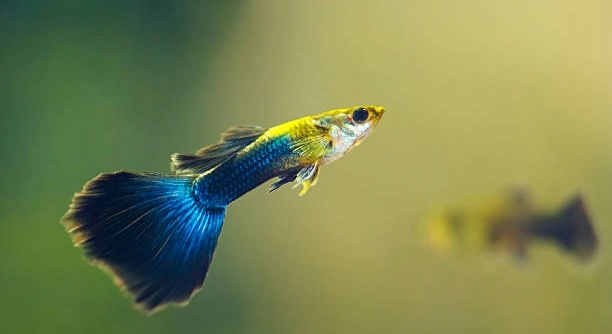
Guppies are popular aquarium fish, but sometimes their behavior can be puzzling. One common concern is rapid breathing, which can signal various underlying issues. Understanding the causes of this behavior is essential for their health and well-being.
Rapid breathing in guppies can be caused by factors such as poor water quality, high temperatures, low oxygen levels, stress, or illness. Identifying and addressing these causes is crucial to maintaining your guppy’s health and ensuring they thrive in their environment.
By understanding the root causes of rapid breathing, you can take steps to improve their living conditions and prevent further issues. Keep reading to learn more about these potential causes and how to address them effectively.
Poor Water Quality
Water quality is a significant factor that affects the health of your guppy. High levels of ammonia, nitrites, or nitrates can cause stress, leading to rapid breathing. Dirty or unfiltered water diminishes oxygen levels, making it harder for your fish to breathe. To avoid this, perform regular water changes and monitor the levels of harmful chemicals in the tank. If your guppy is still showing signs of rapid breathing despite clean water, it could indicate an underlying issue.
If the water is unclean, guppies will experience stress. They may show signs like rapid gill movement or swimming near the surface, trying to get more oxygen. Keeping the water quality in check will help reduce the stress your guppy faces and improve their breathing pattern.
To maintain proper water quality, use a high-quality filter and test the water regularly. Keep an eye on your guppy’s behavior to spot early signs of distress. You can also add live plants to your tank to increase oxygen levels naturally, helping your guppy breathe easier.
High Temperature
Temperature fluctuations can contribute to rapid breathing. Guppies thrive in water between 74°F and 82°F (23°C to 28°C). If the temperature rises above this range, their metabolism speeds up, causing them to breathe faster. Too much heat can also lower oxygen levels in the water, making it harder for your guppy to get enough air.
When the water temperature gets too high, your guppy may look stressed, swim erratically, or hover near the surface for better oxygen access. A simple solution is using a reliable aquarium heater and thermometer to keep the temperature stable.
Additionally, high temperatures can weaken your guppy’s immune system, making them more prone to diseases. Regular monitoring is essential to maintain the ideal temperature range, ensuring your guppy’s health. A thermometer placed inside the tank will help you keep track and adjust as necessary, offering peace of mind that your fish are in optimal conditions.
Low Oxygen Levels
If the oxygen levels in your tank are too low, your guppy may struggle to breathe properly. This is especially common in tanks that are overcrowded or have inadequate filtration. A lack of proper aeration can result in rapid breathing as your guppy tries to get enough oxygen.
Adding an air pump or aerator can significantly improve oxygen levels in the tank. You should also ensure that your tank has proper filtration, which helps circulate the water and prevent oxygen depletion. If your tank is small or crowded, consider reducing the number of fish.
In addition, increasing water surface agitation with a filter that creates movement can help oxygenate the water. Using plants that promote oxygen exchange can also make a big difference. Keep an eye on your guppy, and if they continue to breathe rapidly despite these adjustments, further investigation may be needed.
Stress
Stress can lead to rapid breathing in guppies. This stress could be caused by many factors, such as sudden changes in water conditions, aggressive tank mates, or even loud noises. If a guppy feels threatened, its body may go into a fight-or-flight response, which includes faster breathing.
If your guppy is acting stressed, observe their environment for any obvious triggers. Ensure that their tank has plenty of hiding spots and that they aren’t being bullied by other fish. If the water conditions are unstable, your guppy may also be reacting to that. A consistent environment will help reduce stress.
If stress persists, consider rearranging the tank or adding decorations like plants or caves for your guppy to feel secure. Ensuring peace and stability in their surroundings will help reduce rapid breathing and improve their overall well-being.
Illness
If your guppy is sick, rapid breathing could be a sign of infection or illness. Diseases like swim bladder disorder or gill parasites can cause breathing difficulties. Look out for other symptoms, such as lethargy, discoloration, or visible lesions.
If you notice unusual behavior, it’s best to isolate the sick fish in a quarantine tank. Check the water quality to ensure it isn’t contributing to the problem. Medications specific to the illness can help, but consulting an expert or veterinarian is ideal for proper treatment.
If your guppy is showing signs of illness, addressing it quickly can prevent further complications. Keep their environment stable and treat any infections promptly for better outcomes.
Water pH Imbalance
Water pH that is too high or too low can cause rapid breathing in guppies. These fish prefer a neutral to slightly alkaline pH, ideally between 7.0 and 8.0. If the pH levels fluctuate drastically, your guppy may struggle to breathe normally.
To correct pH imbalances, invest in a reliable water testing kit. If the pH is off, you can adjust it by adding pH stabilizers or water conditioners that help balance it. Regular testing will ensure the water stays within the optimal range. Fish can become stressed from dramatic shifts, so make changes gradually to avoid shock.
Overfeeding
Overfeeding can lead to rapid breathing, as excess food decomposes in the water, leading to higher ammonia levels. This puts stress on the guppy and reduces the oxygen available for breathing.
To avoid overfeeding, stick to a feeding schedule and give only as much food as your guppy can eat in a few minutes. Remove any uneaten food promptly to maintain water quality. Overfeeding not only affects oxygen levels but also worsens water conditions, so be mindful of portion sizes.
FAQ
Why is my guppy’s breathing fast but they’re still active?
If your guppy’s breathing is fast but they’re still swimming around normally, the cause could be stress, water quality issues, or slight temperature changes. Stress from minor disturbances can cause an increase in breathing rate, even if the fish is active. Ensure the water conditions are stable, and check for any potential stressors, like aggressive tank mates or sudden changes in their environment.
Can rapid breathing be caused by poor filtration?
Yes, poor filtration can lead to rapid breathing. When the filter isn’t functioning well, debris and waste build up, reducing oxygen levels and increasing toxins in the water. This makes it harder for your guppy to breathe normally. If you suspect poor filtration, check and clean the filter, and consider upgrading to a more efficient model if necessary.
What should I do if my guppy’s gills are red or inflamed?
Red or inflamed gills may indicate an infection, gill parasites, or poor water quality. It’s important to isolate the affected fish to prevent the spread of disease. Treat the tank with the appropriate medications, and perform a water change to ensure the environment is clean. Maintaining proper water parameters will help prevent further infections.
How can I reduce the chances of my guppy becoming overfed?
Overfeeding can cause poor water quality, which leads to rapid breathing. To avoid overfeeding, only offer your guppy as much food as they can eat in 2-3 minutes. Remove any leftover food promptly to prevent it from decomposing and polluting the water. Feeding once or twice a day is usually sufficient for a healthy guppy.
Why does my guppy swim in circles and breathe rapidly?
Swimming in circles combined with rapid breathing could signal a neurological issue, stress, or an infection. Guppies may swim in circles when they feel disoriented due to poor water quality or disease. Test the water for ammonia, nitrites, and nitrates. If levels are fine, check for other symptoms of illness and seek appropriate treatment.
Can water hardness affect my guppy’s breathing rate?
Yes, water hardness can impact your guppy’s breathing rate. Guppies prefer water that is moderately hard, with a general hardness (GH) level between 8-12 dGH. Water that is too soft or too hard can cause stress, which may lead to rapid breathing. Regularly test water hardness and adjust it to suit your guppy’s needs.
Is it normal for my guppy to breathe rapidly after feeding?
Rapid breathing after feeding can be normal, especially if the meal was large or if your guppy is actively digesting. However, if it persists for too long or is accompanied by other unusual behavior, it may indicate stress or poor water quality. Keep an eye on your guppy, and make sure you’re feeding the right amount.
What role does oxygen play in my guppy’s breathing?
Oxygen is essential for your guppy’s survival. If the oxygen levels in the tank are low, they will compensate by breathing more rapidly. Poor water circulation, overcrowding, or high temperatures can all reduce oxygen levels. To ensure your guppy has enough oxygen, provide proper aeration and make sure the tank is adequately filtered.
How can I tell if my guppy’s breathing is too rapid?
If your guppy is gasping for air at the surface or breathing so fast that it’s noticeable even from a distance, it could be a sign of distress. Rapid breathing is considered excessive when the guppy is struggling to maintain normal respiration. If this occurs along with other symptoms like loss of appetite or lethargy, check the water quality immediately and assess for any other underlying issues.
What is the best way to improve water quality for my guppy?
The best way to improve water quality is through regular maintenance, including partial water changes (about 25-30% weekly) and keeping the tank clean. Ensure the filter is working properly, and use a water testing kit to monitor ammonia, nitrate, nitrite, and pH levels. Additionally, avoid overcrowding and remove uneaten food quickly to maintain a clean environment.
Can a lack of tank plants cause my guppy to breathe faster?
Yes, a lack of plants can reduce the natural oxygenation of your tank. Plants help increase oxygen levels and absorb carbon dioxide, which benefits your guppy’s breathing. While live plants are not mandatory, they can improve the tank’s overall environment. Consider adding low-maintenance plants to help with oxygen levels and reduce stress.
Final Thoughts
In summary, rapid breathing in guppies can be caused by a variety of factors, from poor water quality to stress or disease. It’s essential to regularly monitor water conditions to ensure your guppy’s environment is healthy. Factors such as oxygen levels, water temperature, pH, and filtration can all play a role in your guppy’s overall well-being. If the tank’s conditions are not optimal, your guppy may show signs of distress, including rapid breathing. By maintaining a clean and stable tank environment, you can prevent many of these issues.
If your guppy’s rapid breathing persists, it’s important to take action quickly. Begin by testing the water quality to rule out any major issues like high ammonia, nitrites, or low oxygen levels. If everything seems fine, check for signs of illness, such as red or inflamed gills, abnormal swimming behavior, or changes in appetite. You may also want to consider reducing stress in the tank by ensuring it’s not overcrowded and by keeping aggressive tank mates to a minimum. The more attention you pay to your guppy’s behavior and environment, the easier it will be to pinpoint the cause of any issues.
Lastly, don’t forget to be proactive about maintaining your tank. Regular water changes, proper filtration, and maintaining appropriate water conditions can go a long way in preventing problems before they become serious. Keeping a routine will help ensure your guppy remains healthy and happy. If you ever feel unsure about a potential issue, consulting with a professional or veterinarian who specializes in aquatic animals can help provide a more accurate diagnosis and treatment plan. By staying on top of your guppy’s care, you can prevent most health problems and enjoy a thriving, active fish.

Hello,
If you enjoy the content that we create, please consider saying a "Thank You!" by leaving a tip.
Every little bit helps us continue crafting quality advice that supports the health, happiness, and well-being of pets around the world, for pets of all shapes, sizes, and species.
We really appreciate the kindness and support that you show us!