
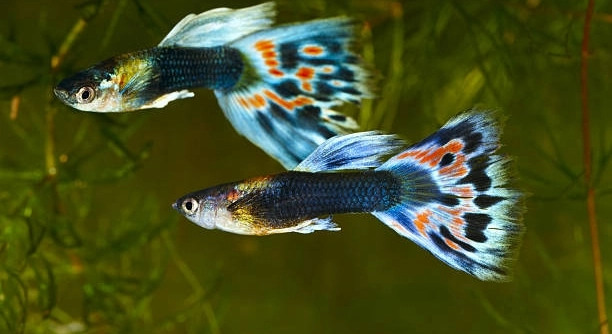
Guppies are popular aquarium fish loved for their vibrant colors. However, if you notice your guppy breathing at the top of the tank, it can raise concerns. Understanding why this happens is important for their health.
The main cause of your guppy breathing at the top of the tank may be related to low oxygen levels, poor water quality, or stress. Other factors such as temperature fluctuations, disease, or overcrowding can also contribute to this behavior.
By identifying the root cause of your guppy’s behavior, you’ll be able to improve their environment and avoid further issues. Understanding these factors will help keep your fish healthy and happy in the long run.
Low Oxygen Levels
If the oxygen levels in your aquarium are too low, your guppy may instinctively swim to the top for air. Guppies, like all fish, need oxygen to survive, and if it’s not present in the water, they struggle to breathe properly. This can happen due to insufficient water movement or an overcrowded tank.
To increase oxygen in the water, you can adjust your filtration system or add an air pump. These devices help circulate the water and ensure that oxygen is evenly distributed. Additionally, keeping the water clean by performing regular water changes will prevent the build-up of harmful substances that may reduce oxygen levels. If your aquarium is too small or overstocked, you may want to consider reducing the number of fish.
When oxygen levels are consistently low, your guppy’s health can quickly decline. The lack of oxygen can lead to stress, poor growth, and even death. By addressing oxygen issues promptly, you help your guppy stay active and vibrant. This is one of the easiest problems to fix, but it’s vital to keep an eye on oxygen levels to avoid any harm to your fish.
Poor Water Quality
The quality of your aquarium’s water directly impacts the health of your guppy. Pollutants, high levels of ammonia, nitrites, or nitrates can irritate your fish’s gills, leading them to seek oxygen at the water’s surface. If left untreated, poor water quality can be fatal for your guppy.
Regular water testing and monitoring are key to maintaining a healthy environment. When ammonia or nitrites are too high, it can cause severe damage to your guppy’s respiratory system. Doing routine water changes, ensuring your filter is working properly, and avoiding overfeeding will help maintain proper water conditions. The cleaner the water, the more likely your guppy will feel comfortable swimming at all depths of the tank, rather than only staying at the surface.
Maintaining excellent water quality is crucial for the health of any aquarium fish. It ensures that your guppy can breathe easily and prevents other potential issues like diseases. Test your water frequently and keep it balanced to create a safe and thriving environment for your fish.
Stress
Stress is another common reason why guppies may breathe at the top of the tank. Factors like tank mates that are too aggressive, loud noises, or sudden changes in their environment can all cause your guppy to feel threatened. This stress can affect their breathing patterns, and they may swim up to the surface as a way of coping.
To reduce stress, it’s important to ensure that your guppy is in a calm, peaceful environment. Make sure that there is enough space in the tank, and avoid placing aggressive fish with them. Also, try to keep the tank in a quiet area of your home, away from loud noises or vibrations. If your guppy is constantly stressed, it can lead to long-term health issues like weakened immunity or stunted growth. Creating a stress-free environment is essential for a healthy, happy guppy.
A peaceful, well-maintained tank helps your guppy thrive and prevents them from feeling the need to stay at the top. Ensuring a good balance in the tank, free from disturbances, will make a noticeable difference in their behavior and overall health.
Temperature Fluctuations
Sudden changes in water temperature can cause your guppy to swim to the surface for air. Guppies prefer a stable environment, and temperature drops or increases can make it hard for them to breathe properly. Keeping the temperature steady is important for their health.
If the water is too cold or too hot, your guppy’s metabolism and breathing rate can be affected. To keep the temperature steady, use an aquarium heater that is adjustable. A thermometer will help you monitor the temperature, ensuring it stays in the ideal range for guppies—around 72 to 82°F. Consistent temperature helps your guppy feel comfortable and reduces stress.
When the temperature fluctuates too much, it can weaken your guppy’s immune system and make them more susceptible to illness. If you notice your guppy breathing rapidly or staying near the surface, check the temperature immediately. Keeping the tank at the correct temperature helps prevent these issues and keeps your guppy healthy in the long run.
Overcrowding
An overcrowded tank can lead to poor water quality and insufficient oxygen, which forces your guppy to breathe at the top. If there are too many fish, the oxygen in the water becomes depleted faster than it can be replenished.
Overcrowding can also increase the buildup of waste, leading to harmful chemicals like ammonia and nitrites in the water. This makes the environment unhealthy for your guppy and stresses them out, making them more likely to swim to the surface. To avoid overcrowding, ensure your tank has adequate space for each fish and avoid adding too many fish to a small tank.
A good rule of thumb is to provide at least one gallon of water per inch of fish. This ensures that each fish has enough space to swim and access to oxygen. A properly stocked tank creates a balanced environment where your guppy can thrive without feeling cramped or stressed.
Disease
Diseases can make it difficult for your guppy to breathe normally, causing them to swim to the surface. Common illnesses like fin rot, gill disease, or internal parasites can affect their gills, making it hard for them to process oxygen.
If your guppy shows other signs of illness, like faded colors or lethargy, it’s essential to act quickly. Quarantining the sick fish and treating them with appropriate medication can prevent the disease from spreading. Keeping water quality high and monitoring your fish regularly can also help you spot signs of illness early, ensuring a quicker recovery.
Most diseases that affect breathing can be treated if caught early. Regularly inspecting your guppy and keeping their environment clean can reduce the chances of disease. By staying on top of any potential health issues, you can keep your guppy from suffering unnecessary stress and help them stay active and healthy.
Wrong Tank Setup
The way you set up your tank can contribute to your guppy breathing at the top. Poor filtration, strong currents, or even decorations that block the flow of water can create spots where oxygen doesn’t circulate well.
To address this, ensure your filtration system works properly and that the water is moving gently throughout the tank. Avoid placing decorations in areas that could hinder water flow. Proper tank setup is important for the health of your guppy, ensuring that oxygen is evenly distributed and accessible throughout the tank.
Poor Nutrition
A diet lacking in essential nutrients can weaken your guppy’s overall health, causing them to swim to the surface. If your fish aren’t receiving the proper balance of vitamins, minerals, and proteins, it can affect their respiratory system.
Feeding your guppy a variety of high-quality fish food helps ensure they get all the nutrients they need. Supplementing with occasional live or frozen foods can also improve their health. By offering a balanced diet, you can help prevent nutritional deficiencies that might contribute to breathing problems.
FAQ
Why is my guppy staying at the top of the tank and gasping for air?
If your guppy is staying at the top and gasping, the most common causes are low oxygen levels, poor water quality, or stress. When the oxygen level drops, guppies will instinctively swim to the surface where the oxygen is more concentrated. Similarly, poor water quality with high levels of ammonia or nitrites can irritate their gills, making it difficult to breathe properly. Stress, like overcrowding, temperature fluctuations, or aggressive tank mates, can also cause guppies to gasp at the surface.
How can I fix low oxygen levels in my aquarium?
To improve oxygen levels, start by adding an air pump or air stone to increase water movement. A filter with sufficient water circulation can also help oxygenate the water. Regular water changes are essential, as they remove excess waste and replenish oxygen. Make sure your tank isn’t overcrowded, as this can deplete oxygen quickly.
Can I use a heater to regulate the temperature for my guppy?
Yes, using a heater is one of the most effective ways to maintain a stable temperature in your aquarium. Guppies thrive in temperatures between 72 to 82°F, so a good-quality, adjustable heater will keep the water in this range. A thermometer is helpful to monitor the temperature and ensure it doesn’t fluctuate. Consistent temperature is vital to prevent stress or breathing issues.
How often should I clean the tank to keep the water quality good?
Regular tank maintenance is crucial to keep the water clean and safe for your guppy. You should aim to do a partial water change every week, replacing 25-30% of the water. This helps to remove toxins, excess food, and waste. Also, check your filter every few weeks and clean it if needed. Test the water for ammonia, nitrites, and nitrates regularly to ensure the levels are within safe ranges.
What signs should I look for to tell if my guppy is stressed?
Stressed guppies may show signs such as swimming erratically, hiding frequently, or staying at the surface of the water. They may also lose their appetite, appear lethargic, or show faded colors. Aggressive behavior from tank mates or sudden environmental changes, like poor water quality or temperature shifts, can cause these symptoms. It’s important to identify the cause of the stress to resolve the issue quickly.
How do I know if my guppy has a disease?
If your guppy is showing unusual behavior, such as gasping at the surface, or has changes in appearance like lesions, discolored fins, or swelling, they may have a disease. Other signs include rapid gill movement, lethargy, or refusing food. A sick guppy should be quarantined immediately to prevent the spread of disease to other fish in the tank. Observing for symptoms like unusual spots, cloudy eyes, or fin rot can also help diagnose a problem early.
What can I do if my guppy has fin rot?
Fin rot is a common bacterial infection in fish and can cause their fins to deteriorate. If you notice fraying or discoloration of the fins, consider treating the affected guppy with an antibacterial medication designed for fish. In the meantime, isolate the sick guppy in a quarantine tank to prevent the infection from spreading. Ensure that the water is clean and that your guppy’s tank environment is stable to avoid further stress.
Why is my guppy breathing heavily after a water change?
Heavy breathing after a water change could indicate several things, such as water temperature fluctuations or the introduction of untreated tap water that contains chlorine or chloramine. Always use a water conditioner to treat tap water before adding it to your aquarium. If the temperature of the new water differs from the tank’s water, this can cause stress and impact your guppy’s breathing. Ensure that the water you add matches the tank’s temperature to minimize stress.
Can overcrowding cause breathing problems for my guppy?
Yes, overcrowding is one of the leading causes of breathing problems in fish. When there are too many fish in a tank, oxygen levels drop, and waste builds up quickly, creating a poor environment for your guppy. The lack of space also increases stress, making your guppy more likely to swim to the surface to get more oxygen. To avoid this, ensure your tank is large enough for the number of fish it contains, and regularly monitor water quality.
How do I prevent my guppy from getting sick?
Maintaining a clean and stable tank environment is the best way to prevent illness. Regular water changes, proper filtration, and monitoring of water parameters like temperature, pH, and ammonia levels are key. Also, avoid introducing new fish into the tank without properly quarantining them first to ensure they are disease-free. Providing a balanced diet and minimizing stress will also help keep your guppy healthy.
Can poor nutrition lead to breathing problems in guppies?
Yes, poor nutrition can weaken your guppy’s immune system and affect their overall health, including their ability to breathe properly. A lack of essential nutrients, such as vitamins, minerals, and protein, can cause respiratory problems. To prevent this, feed your guppy high-quality, balanced fish food, and occasionally supplement with live or frozen food. A varied diet helps ensure that your guppy gets the necessary nutrients for strong respiratory health.
What should I do if I see my guppy breathing heavily and not eating?
Heavy breathing and loss of appetite are often signs that something is wrong. The first step is to check the water quality—ammonia, nitrite, and nitrate levels should all be tested. Poor water quality is a common cause of these symptoms. If the water quality is good, check for signs of disease or injury. If no immediate issues are found, consider moving your guppy to a quarantine tank for better observation and treatment.
How can I prevent oxygen depletion in my aquarium?
To prevent oxygen depletion, make sure your tank is properly filtered and that water is circulating well. Adding an air pump or air stone can improve oxygen exchange. Avoid overcrowding the tank, as more fish require more oxygen. Regular water changes and keeping the tank clean will also help maintain adequate oxygen levels for your guppy.
Final Thoughts
Guppies are relatively easy to care for, but when they begin breathing at the top of the tank, it’s a sign that something in their environment may not be right. There are several potential causes for this behavior, such as low oxygen levels, poor water quality, or stress. It’s important to address these issues quickly, as leaving them unresolved can lead to health problems for your guppy. Regular tank maintenance, such as ensuring proper filtration and doing routine water changes, can prevent many of the common causes of stress and poor health. Additionally, creating a stable environment with a consistent water temperature and avoiding overcrowding can help keep your guppy comfortable.
Monitoring your fish closely is key to understanding their needs. If you notice any signs of distress, such as your guppy staying at the top of the tank, acting lethargic, or breathing heavily, take action immediately. Begin by checking the water quality and temperature, and make any necessary adjustments. Ensure that the tank isn’t overcrowded and that your guppy has enough space to swim freely. By addressing these issues early, you can prevent your guppy from experiencing long-term stress or health issues. Also, keep an eye out for any signs of illness or disease, as they can also cause changes in breathing patterns.
In the end, caring for guppies requires attention to detail and a commitment to maintaining their environment. By providing a clean, stable, and stress-free habitat, you help your guppy live a happy, healthy life. Whether you’re a new guppy owner or someone who’s been keeping fish for a while, understanding the reasons behind their behavior will help you provide the best care possible. With the right steps, you can ensure that your guppy enjoys a long and healthy life without the worry of breathing problems.

Hello,
If you enjoy the content that we create, please consider saying a "Thank You!" by leaving a tip.
Every little bit helps us continue crafting quality advice that supports the health, happiness, and well-being of pets around the world, for pets of all shapes, sizes, and species.
We really appreciate the kindness and support that you show us!