
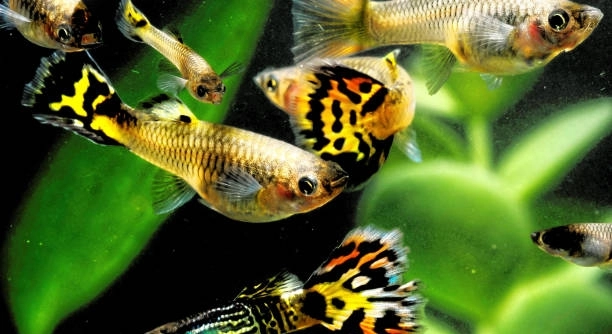
Guppies are beautiful and active fish that can sometimes display strange behaviors, such as avoiding the filter in their tank. Understanding why your guppy may be staying away from the filter can help ensure their well-being.
The most common reasons for a guppy avoiding the filter include strong water currents, fear of the filter’s noise, or the presence of trapped debris. These factors can stress out the guppy, causing it to seek calmer areas in the tank.
By recognizing these triggers, you can make changes to your tank setup that will improve your guppy’s comfort. We will explore these causes in detail and provide solutions to create a more peaceful environment for your fish.
Strong Water Currents
Guppies are small, delicate fish, and they don’t always enjoy being in strong water currents. If your filter creates a strong flow, your guppy may avoid that area to escape the current. In the wild, they tend to live in calm, slow-moving waters. Too much current can make your fish feel stressed or exhausted, especially if they struggle to swim against it. If your tank has a filter that creates a powerful current, your guppy might feel it’s safer and more comfortable away from it.
To help your guppy, consider adjusting the flow rate of the filter. Many filters have an option to lower the intensity of the current. Alternatively, you can place decorations or plants in the tank to break the water flow. Creating calmer zones in the tank will help your guppy feel secure.
This simple change can make a significant difference in your guppy’s behavior. By reducing the current, you’re providing a space where your fish can swim more freely without the stress of constant battling against the flow.
Noise from the Filter
The sound of the filter can be unsettling for some fish, including guppies. If the filter makes a loud noise or if it vibrates, your guppy may avoid that area to escape the discomfort. Fish are sensitive to vibrations and sounds in the water. Over time, if the filter is producing a consistent noise, it may lead to stress, causing your guppy to seek out quieter spots.
If you notice your filter is noisy, check for any blockages or debris. A dirty filter can cause strange sounds. Cleaning it regularly and ensuring that it’s running smoothly can reduce the noise. Alternatively, consider switching to a quieter model if the sound persists.
By ensuring that your filter is both clean and quiet, your guppy will be more likely to swim freely without being bothered by noise. A peaceful tank environment is key to promoting healthy, happy fish.
Debris or Clogging in the Filter
Debris or clogs in the filter can cause water flow issues that disrupt your guppy’s environment. When the filter is clogged with dirt, uneaten food, or waste, it may cause water to flow unevenly. This can create areas in the tank with stagnant water or weaker currents, making the filter zone less appealing to your guppy.
Filters should be cleaned regularly to prevent such issues. If debris builds up, it can also reduce the efficiency of the filter, leading to poorer water quality, which is harmful to your fish. A clean filter is essential for maintaining a balanced and healthy tank.
To prevent problems, clean the filter at least once a month. Remove any buildup and rinse the filter media to ensure proper water flow. Keeping the filter in good condition will help avoid stress on your guppy and provide a healthier environment for all your tank inhabitants.
Temperature Fluctuations Near the Filter
Guppies are sensitive to temperature changes, and filters can sometimes create temperature fluctuations in the tank. The area around the filter may become slightly cooler or warmer than the rest of the tank due to the water movement. If your guppy prefers stable temperatures, it may avoid the filter to find a more comfortable zone in the tank.
Ensure your filter is not creating a significant temperature shift by regularly checking the water temperature near the filter. You can use a thermometer to check both the filter area and other parts of the tank. If you notice any differences, try to adjust the filter placement or use a heater to maintain a consistent temperature throughout the tank.
Stable water temperature is crucial for guppy health. By preventing temperature variations near the filter, you can ensure your guppy remains comfortable and active in the tank.
Tank Size and Space
Guppies need enough room to swim comfortably. If the tank is too small or crowded, your guppy may avoid certain areas, including near the filter, because it feels cramped. A small tank limits their ability to find peaceful zones away from busy areas like the filter.
Ensuring your tank has enough space is important. Guppies should have at least 5 gallons of water for every two or three fish. A crowded tank leads to stress, which makes guppies avoid high-traffic areas like the filter. More room to swim allows your guppy to find places where it feels safe and relaxed.
When choosing tank decorations or plants, make sure they don’t take up too much space. Keep the environment open for swimming, and ensure your guppy has room to explore freely. This simple adjustment can help your guppy feel more at ease in its habitat.
Poor Water Quality
Water quality plays a significant role in your guppy’s health and behavior. If the water is too dirty or not properly filtered, your guppy might avoid the filter area. Poor water quality can cause discomfort and stress, which encourages your fish to swim in areas they feel are safer.
To maintain good water quality, test the water regularly for ammonia, nitrate, and nitrite levels. Also, ensure the filter is working correctly to remove debris and maintain a balanced environment. If the water quality is poor, your guppy will likely avoid the filter, as it will associate it with uncomfortable conditions.
Regular water changes are key to keeping the tank healthy. Change 20% of the water every week to maintain optimal conditions. Keeping the water clean will not only make your guppy more comfortable but also help prevent health issues like infections.
Illness or Injury
If your guppy is sick or injured, it may avoid certain areas like the filter to keep away from stress. Illness can make them lethargic, and the filter’s strong current or noise may exacerbate their discomfort. A stressed, ill fish is less likely to swim near the filter.
If your guppy has been showing signs of illness, such as faded colors, fin clamping, or lethargy, it’s important to address their health needs. Ensure the tank water is clean, and look for any injuries or infections that may need treatment. A stressed guppy will avoid the filter area, which could indicate that something is wrong.
Consult a veterinarian if you notice serious signs of illness. In the meantime, make the tank environment as comfortable as possible by reducing the water flow and providing hiding spots for your guppy to feel more secure.
Overcrowding and Competition
When there are too many guppies in a tank, they may avoid the filter area to escape from aggressive behavior. Guppies are social, but if there isn’t enough space or food, they can become territorial and competitive. This will stress your fish, pushing them away from certain tank areas.
To prevent this, keep your guppy group at a manageable size based on the tank’s capacity. If you notice aggression or fin nipping among the fish, it’s a sign the tank is overcrowded. Overcrowding leads to stress and can cause fish to avoid specific areas, including the filter.
Add more plants or decorations to divide the tank into smaller territories. This gives each fish their own space and reduces the likelihood of aggressive behavior. By creating a peaceful environment, you’ll help your guppy feel safe and more willing to explore the entire tank.
Filter Placement
The placement of the filter can affect how comfortable your guppy feels in the tank. If the filter is placed too close to areas where the fish like to swim, it could create areas of strong current or turbulence. Guppies are small and delicate, so they might avoid the filter if it creates harsh water flow.
Consider relocating the filter to a less active part of the tank. This will help reduce the water current near areas where your guppy likes to swim. Alternatively, adjust the flow rate to ensure it isn’t too strong for your fish to tolerate.
A simple adjustment in filter placement can greatly improve your guppy’s comfort. The goal is to create a calm environment that encourages your guppy to feel secure throughout the tank.
FAQ
Why is my guppy staying near the top of the tank?
Guppies often swim near the top of the tank if they are seeking oxygen. If your tank has poor water circulation or insufficient oxygen, your guppy may swim near the surface. Ensure your tank has proper aeration and avoid overcrowding to improve water quality and oxygen levels.
Can guppies get stressed by their filter?
Yes, guppies can get stressed by their filter, especially if the current is too strong or the noise is bothersome. If your guppy is avoiding the filter, it may be due to the stress caused by the water movement or the vibrations. Reducing the flow rate or changing filter placement can help alleviate this stress.
How can I tell if my guppy is sick?
Signs that your guppy may be sick include faded colors, lethargy, clamped fins, and changes in appetite. If your guppy is hiding more than usual or avoiding the filter area, it could be a sign of illness. Testing the water quality and checking for physical injuries can help identify the problem.
Is it normal for guppies to avoid the filter completely?
It’s not uncommon for guppies to avoid the filter, especially if there’s a strong current, noise, or if the filter is causing discomfort in the tank. Guppies generally prefer calm water, so it’s important to ensure the filter is not overwhelming them with excessive flow.
How do I improve water quality for my guppy?
Maintaining good water quality involves regular water changes, keeping the filter clean, and monitoring the levels of ammonia, nitrites, and nitrates. Guppies thrive in clean water, so regular maintenance is key. Test the water every week to ensure the conditions are ideal for your fish.
What size tank do guppies need?
A tank of at least 5 gallons is recommended for every 2-3 guppies. Smaller tanks can lead to overcrowding, which can cause stress and health problems. Larger tanks provide more space for swimming, which helps keep your guppies active and healthy.
Can I keep more than one male guppy in a tank?
It’s possible to keep more than one male guppy in a tank, but you should be cautious about aggression. Male guppies can sometimes become territorial, leading to fin nipping or chasing. To minimize stress, ensure the tank is large enough and add plenty of hiding spaces and plants.
How do I prevent my guppy from getting too stressed?
To reduce stress, ensure your guppy has enough space to swim, maintain good water quality, and avoid overcrowding. Keep the water temperature stable and avoid placing the tank in a location with loud noises or sudden movements. Providing plants and decorations can give your guppy hiding spots and reduce stress.
What can I do if my guppy is not eating?
If your guppy is not eating, check for signs of illness and ensure the water quality is optimal. Stress, poor water quality, and temperature fluctuations can all affect appetite. If your guppy still isn’t eating, consider offering different types of food, like live or frozen options, to entice them to eat.
Do guppies need a heater?
Yes, guppies are tropical fish and require a heater to maintain a stable water temperature between 72°F and 82°F. Sudden temperature changes can cause stress or illness. A reliable aquarium heater will ensure your guppies remain in a comfortable environment, promoting their overall health and well-being.
Why is my guppy swimming in circles?
Guppies swimming in circles can be a sign of stress, illness, or discomfort. It could be related to poor water quality, a problem with the filter, or even a behavioral issue. Checking water parameters, ensuring the filter is functioning properly, and observing the fish for any signs of disease can help identify the cause.
Can guppies live with other types of fish?
Yes, guppies are peaceful fish that can coexist with other non-aggressive species. They do well with other small, peaceful fish such as neon tetras, corydoras catfish, and small shrimp. However, avoid keeping them with aggressive species that might bully or nip at them.
How often should I clean my guppy’s tank?
You should clean your guppy tank regularly to maintain good water quality. Perform partial water changes of about 20% each week. Clean the filter monthly, and remove any debris from the substrate. Regular cleaning helps prevent a buildup of waste and harmful chemicals in the tank.
Is it okay to keep guppies with snails?
Yes, guppies and snails can generally coexist without problems. Snails help clean up leftover food and algae, benefiting the tank environment. However, make sure the snails aren’t outcompeting the guppies for food, and ensure the snails are the right species that won’t harm the guppies.
Why is my guppy chasing other fish?
Male guppies often chase other fish as part of their mating behavior. They can be territorial or simply trying to establish dominance. If your guppy’s chasing is aggressive or causing stress, it might be a sign of overcrowding or an imbalance in the tank environment.
What’s the best food for guppies?
Guppies thrive on a varied diet that includes high-quality flakes or pellets, supplemented with live or frozen food like brine shrimp or daphnia. Providing a mix of protein and vegetables will ensure they receive all the nutrients they need for good health.
How can I help my guppy feel more comfortable?
To make your guppy feel more comfortable, keep the tank environment stable. Ensure the water temperature is consistent, the water quality is good, and there’s enough space for swimming. Adding plants, rocks, and hiding spots gives your guppy more options to explore and relax in a secure environment.
Final Thoughts
Guppies are generally hardy fish, but they are also sensitive to their environment. If your guppy is avoiding the filter, it’s important to consider the possible causes, such as strong water currents, noise, poor water quality, or even stress from overcrowding. A peaceful, stable environment is key to keeping your guppy happy and healthy. Adjusting the water flow, cleaning the filter regularly, and ensuring there is enough space in the tank can make a significant difference in your guppy’s behavior.
Pay attention to the overall conditions of the tank. If the water quality is poor or the temperature is fluctuating, your guppy may feel uncomfortable and choose to swim away from areas that might cause them stress. Regular water testing and maintenance are necessary to create a safe environment for your fish. Furthermore, ensuring that your guppy is not sick or injured is crucial, as illness can cause them to avoid certain areas of the tank, including the filter.
By observing your guppy’s behavior and making necessary adjustments, you can improve their living conditions and reduce any stress factors. A calm tank with stable water quality and appropriate tank mates will encourage your guppy to explore all areas of the tank, including near the filter. Whether it’s adjusting the filter placement, reducing current, or ensuring proper tank size, small changes can lead to a healthier and happier guppy.

Hello,
If you enjoy the content that we create, please consider saying a "Thank You!" by leaving a tip.
Every little bit helps us continue crafting quality advice that supports the health, happiness, and well-being of pets around the world, for pets of all shapes, sizes, and species.
We really appreciate the kindness and support that you show us!