
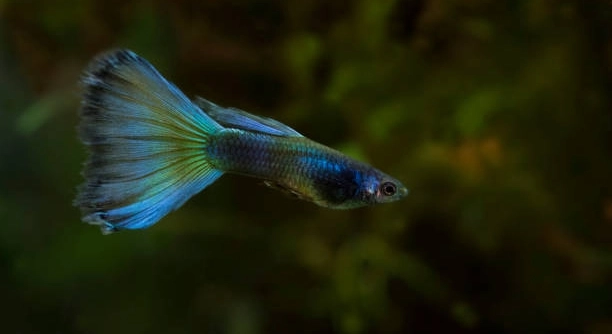
Guppies are popular fish in many aquariums, admired for their colorful patterns and playful behavior. However, it’s not uncommon for guppies to avoid strong water currents. Understanding why this happens can help improve your guppy’s health and well-being.
Guppies avoid strong currents primarily because they are small, delicate fish that prefer calm waters. The stress caused by swift water flow can lead to fatigue, injury, or poor health. Adjusting water flow is essential for their comfort.
There are several reasons why your guppy may be avoiding strong currents, from their natural habitat preferences to physical limitations. Identifying the cause can help ensure your fish thrive in a more suitable environment.
Why Do Guppies Prefer Calm Waters?
Guppies are naturally found in calm, slow-moving bodies of water, such as ponds and streams. In these environments, there are fewer disruptions, allowing them to swim freely without constant resistance. As a result, when placed in aquariums with strong currents, guppies may struggle. This behavior is mainly because they feel unsafe or exhausted when the water flow is too intense for their small bodies. Strong currents can also make it harder for guppies to find food, as their food might be carried away by the current, increasing their stress levels.
Guppies are more adapted to still waters, so they may avoid strong currents to avoid expending too much energy.
Creating a calm environment can help your guppies stay healthy and active. Consider adjusting your aquarium’s water flow to a more gentle setting if you notice your guppy struggling with the current. If the water is too turbulent, guppies may not swim as much and could become stressed or sick. They may hide in corners or near plants where the water flow is weaker. This behavior is common among fish that prefer still or slow-moving water. In addition, prolonged exposure to strong currents can lead to physical stress and even injuries. A slight adjustment in the water flow can make a big difference, encouraging your guppy to swim freely and explore its habitat comfortably.
Tank Size and Water Flow
Tank size also plays a role in how your guppy reacts to strong currents. In a smaller tank, the current will be more concentrated and potentially more intense.
A larger tank gives guppies more room to move away from areas with stronger currents. This helps them find calm spots to swim and rest. If your tank is too small, the water flow from filters or water pumps can create a much stronger current, forcing guppies to avoid the active areas. Additionally, a larger tank typically has more areas where guppies can hide from the current, such as behind plants or rocks. It’s crucial to consider the size of your aquarium when setting up water flow equipment. The right balance of water movement ensures your guppies can feel safe and secure, promoting a better environment for them to thrive. With enough space, they can escape strong currents and enjoy a comfortable living area.
Inappropriate Filter Placement
The placement of your aquarium filter can significantly affect water flow. If it is placed too close to where your guppies swim, the current may become too strong for them to handle.
Filters should be positioned in a way that creates a gentle flow throughout the tank. Ideally, place them near a corner or an area where water movement can be diffused. This allows your guppy to swim without being pushed around by a harsh current. If the filter is too powerful, consider adjusting the flow rate or using a sponge filter to soften the current. A softer flow mimics the conditions guppies are used to in the wild, offering a more comfortable swimming experience. Over time, you’ll notice how this adjustment helps your guppies swim more freely, as they won’t be constantly fighting against strong water movement.
Tank Decorations and Plants
Tank decorations, such as plants and rocks, can play a crucial role in managing water flow. Tall plants or large rocks can block or reduce the impact of strong currents, creating calmer zones in the tank.
Adding plants or decorations that create natural breaks in the water flow can give your guppies the opportunity to escape the current. Guppies will likely appreciate these areas to rest or hide from stronger water movement. It’s also important to ensure that these decorations don’t obstruct the filter’s output completely, as that could lead to poor water circulation overall. The goal is to create a well-balanced environment where the current is gentle, yet the water remains clean and oxygenated. Having a mix of tall plants and carefully placed rocks can make a noticeable difference in your guppy’s comfort, ensuring they have plenty of places to swim freely without constant resistance.
Guppy Health and Stress
When guppies are constantly exposed to strong currents, it can lead to stress. Stress weakens their immune system, making them more vulnerable to diseases.
Over time, this stress can cause behavioral changes like hiding or reduced swimming activity. It’s important to keep an eye on your guppy’s behavior, especially if they seem sluggish or less active. A calm environment helps prevent stress, which in turn supports their overall health. Ensuring a gentle water flow will give your guppies the peace of mind they need to thrive in their tank.
Water Temperature
Water temperature also plays a role in how guppies respond to currents. Guppies prefer water temperatures between 72°F and 82°F, and when the water is too cold, they can become sluggish and avoid strong currents.
If your tank is colder than their ideal range, your guppy may not have the energy to fight against the current. In contrast, overly warm water can cause them to become stressed. Maintaining the right temperature ensures that your guppies can swim comfortably and remain active without feeling exhausted by the current.
Water Chemistry
Water chemistry, including the pH and hardness, can impact how your guppy reacts to its environment. Guppies prefer a pH level between 7.0 and 8.0. Extreme changes in water chemistry can stress them.
When water chemistry is off, guppies may be less able to tolerate strong currents, as they are already dealing with the discomfort from poor water quality. Regular water tests and adjustments are essential to maintain a healthy balance in the aquarium. Having the right water chemistry supports their health and helps them handle the tank’s current better.
FAQ
Why do guppies avoid strong currents?
Guppies are naturally adapted to calm waters, like ponds or slow-moving streams. In these environments, there is little resistance, allowing them to move easily and conserve energy. When placed in an aquarium with strong currents, guppies may avoid the area because they have to work harder to swim against the flow. This constant effort can be stressful, leading to exhaustion or even physical strain. Strong currents can also disturb their feeding habits, as food particles are carried away by the flow, making it harder for them to eat.
How can I reduce the current in my aquarium for guppies?
To reduce the current, adjust the water flow rate on your filter or pump. If you are using a filter with adjustable settings, decrease the flow so it becomes gentler. Another solution is to move the filter to a less direct location, like a corner, to diffuse the water flow. You can also use a sponge filter, which creates less water movement. Adding plants and decorations in the tank can help break the current and create calmer areas where your guppies can rest.
Can guppies get sick from strong currents?
Yes, prolonged exposure to strong currents can lead to stress in guppies, which makes them more vulnerable to illnesses. Stress weakens their immune system, leaving them more susceptible to infections and other health problems. If you notice that your guppies are hiding more or swimming less actively due to strong water flow, it may be a sign of stress. It’s important to provide a stable, low-stress environment to prevent health issues and ensure your guppies remain healthy.
Should I add more decorations to block the current?
Yes, adding decorations like rocks, plants, or driftwood can help block or reduce the strength of the current. These items create natural barriers that allow your guppies to find calmer zones in the tank. Tall plants can also act as a natural filter, slowing down the flow of water. Just make sure that the decorations don’t obstruct the filter’s output completely, as this could lead to poor water circulation, affecting the overall health of your tank.
Do guppies prefer fast or slow water movement?
Guppies generally prefer slow-moving or still waters. They are not strong swimmers and can become stressed when faced with strong currents. In the wild, they live in environments where the water is calm, so they thrive in similar conditions in an aquarium. However, they still need some water movement for oxygenation and filtration, so a light, gentle current is ideal.
Can a small tank cause strong currents for guppies?
Yes, smaller tanks tend to have more concentrated currents, especially if you use a strong filter or water pump. In a small tank, the water flow may be more intense, making it difficult for guppies to swim freely. If your tank is small, consider reducing the flow rate of the filter or using a more appropriate filter that doesn’t create too much current. In some cases, it might be beneficial to switch to a larger tank where the water flow can be more evenly distributed.
How can I tell if my guppy is stressed by the current?
Signs of stress in guppies include hiding more often, reduced activity, or swimming near the surface or in corners where the current is weaker. They might also show signs of physical stress, such as fins clamped to their body or rapid breathing. If you notice any of these behaviors, it’s important to check the water flow and adjust it accordingly. Stress from the current can cause long-term health problems, so it’s crucial to address this issue promptly.
Do guppies like water movement during feeding?
While some fish may enjoy feeding in areas with mild water movement, guppies generally prefer calm environments during feeding. If the current is too strong, they may have trouble finding and eating the food. Strong water movement can push the food away, making it harder for your guppies to catch. To make feeding easier for them, try to place food in an area with little to no current or reduce the flow temporarily during feeding times.
Is it okay to use a strong filter in a tank with guppies?
While a strong filter is useful for maintaining clean water, it can create too strong a current for guppies. It’s important to balance filtration with water flow. If you use a strong filter, ensure it has adjustable flow settings, or place it in a location that diffuses the water flow. Alternatively, using a filter specifically designed for smaller tanks or low-flow environments can provide effective filtration without creating a harsh current.
How do I ensure a safe environment for my guppies?
To ensure a safe environment for your guppies, focus on maintaining a balanced water flow, appropriate tank size, and stable water conditions. Avoid strong currents by adjusting the filter, using decorations to block or soften the flow, and ensuring that the water temperature and chemistry are within the ideal range for guppies. Regular maintenance, including water changes and water quality testing, is also essential for keeping your guppies healthy and happy.
Can the tank’s water temperature affect how guppies handle currents?
Yes, water temperature can affect how guppies respond to currents. If the water is too cold, guppies will become sluggish and may avoid strong currents due to a lack of energy. Conversely, if the water is too warm, it can cause stress, making them more sensitive to water flow. Keeping the temperature between 72°F and 82°F ensures your guppies have enough energy to swim comfortably while not being overstressed by the current.
Final Thoughts
Ensuring that your guppy has a comfortable environment is key to their well-being. While these small fish are hardy and adaptable, they thrive in calm, stable conditions. Strong currents can stress them out, making them more vulnerable to illness and affecting their behavior. Guppies prefer gentle water movement that mimics their natural habitat. By adjusting the flow in your tank, adding plants or decorations, and keeping a proper tank size, you can create a peaceful setting for your guppy to swim freely without struggling against harsh currents.
If you notice that your guppy is avoiding areas of the tank with strong water flow, it’s important to make changes. Small adjustments to the filter placement or the flow rate can make a big difference. In some cases, using a sponge filter or a smaller filter designed for gentle currents can help reduce the strength of the flow. Additionally, incorporating plants and decorations can help diffuse the water movement, giving your guppy more places to rest and escape from the current. Guppies need both space and the right environment to thrive, so making sure the water flow is suited to their needs is essential for their comfort.
Taking the time to observe your guppies and adjust their environment is a simple but effective way to ensure they are healthy and happy. By reducing strong currents, you allow them to live in a stress-free environment where they can grow, breed, and exhibit natural behaviors. Every fish is different, and some might be more sensitive to currents than others. Therefore, regular observation and small changes can go a long way in ensuring the best care for your guppy. By providing a safe, calm, and balanced environment, you’re helping your guppy live a longer, healthier life.

Hello,
If you enjoy the content that we create, please consider saying a "Thank You!" by leaving a tip.
Every little bit helps us continue crafting quality advice that supports the health, happiness, and well-being of pets around the world, for pets of all shapes, sizes, and species.
We really appreciate the kindness and support that you show us!