
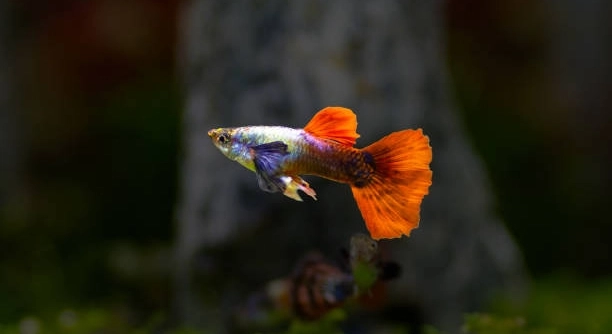
Is your guppy acting skittish and darting around your aquarium? It’s a common concern for many fish owners. Understanding the reasons behind this behavior can help you ensure your guppy’s health and well-being.
The main causes of skittish behavior in guppies include poor water quality, improper tankmates, stress, illness, and sudden changes in their environment. Identifying and addressing these factors will help calm your guppy and improve its overall health.
Addressing these causes can make a significant difference in your guppy’s behavior. Keep reading to discover the specific reasons and what steps you can take to resolve them.
Poor Water Quality
One of the most common reasons guppies act skittish is poor water quality. Guppies are sensitive to changes in their environment, and poor water conditions can stress them out. Ammonia, nitrite, and nitrate levels that are too high, or water that’s too warm or too cold, can cause your guppy to behave erratically. Make sure to regularly test the water and perform water changes as needed. The ideal temperature for guppies is between 72°F and 82°F (22°C to 28°C), and the pH should be between 7.0 and 8.0. When the water quality is off, guppies will often swim rapidly, jump, or hide, which are signs of distress. Keeping a proper filtration system and ensuring the tank is clean can reduce these issues.
Testing water quality is essential for maintaining a healthy tank. Use a water testing kit to check the levels of ammonia, nitrites, and nitrates regularly. This will give you an idea of whether the water is safe for your guppy.
By focusing on maintaining excellent water quality, your guppy will feel more comfortable in its environment. Remember, stable and clean water makes for happy fish.
Tankmates and Stress
The behavior of other fish can make your guppy feel stressed. Guppies are peaceful creatures and may become skittish if they are surrounded by aggressive tankmates. This stress can cause them to hide, swim erratically, or even become ill. Ensure you’re pairing your guppy with fish that are calm and non-aggressive. Larger fish that might see the guppy as food or smaller, quicker fish that might outcompete your guppy for food can both lead to stress. When guppies feel threatened, their first instinct is to flee, which can make them act nervously.
Sometimes, even peaceful fish can stress out your guppy if they’re too active. Consider the activity level of each species in your tank before introducing new tankmates.
Illness and Disease
Illness can make guppies act skittish. If a guppy feels unwell, it may swim erratically or stay hidden. Common fish diseases, like fin rot or internal parasites, can cause discomfort and stress. It’s important to observe any physical changes like spots, swelling, or discoloration. If you notice anything unusual, isolate the sick guppy to prevent the spread of disease to others.
Make sure to treat sick fish quickly. A quarantine tank can help keep diseases from spreading, and medications are available to treat most common fish illnesses. Keep an eye on the tank’s temperature and water quality, as these can also impact a guppy’s immune system. Proper care is key to avoiding illness.
Regularly check your guppy for signs of illness. It’s important to react quickly when problems arise. Identifying symptoms early can improve recovery chances and prevent your fish from becoming more stressed.
Sudden Environmental Changes
Guppies are sensitive to sudden changes in their environment, whether it’s a change in water temperature, new decorations, or even a shift in the lighting schedule. These changes can cause stress, making them swim frantically or hide more often. Guppies need a stable environment to feel safe, and any unexpected changes can throw them off balance.
Gradual changes are less likely to cause stress. If you need to adjust water temperature or add new elements to the tank, do so slowly over several days. This helps your guppy adapt without becoming overwhelmed. Pay attention to any signs of discomfort, such as erratic swimming or loss of appetite.
When making any alterations in the tank, make sure to observe your guppy’s behavior closely. If you notice increased skittishness or signs of stress, try returning the environment to its previous state. Stability is crucial for guppies to feel comfortable.
Overcrowding
Overcrowding can lead to stress for your guppy. When there are too many fish in the tank, your guppy might feel cramped and anxious. This can cause skittish behavior as the fish try to avoid getting too close to others. It’s important to maintain an appropriate fish-to-gallon ratio.
Ensure the tank is large enough for all the fish to swim freely. A general rule is about one inch of fish per gallon of water. Overcrowding leads to more waste, poor water quality, and higher stress levels. A spacious tank promotes healthy, calm fish.
Take time to monitor your tank’s population. It’s better to have fewer fish than to risk overcrowding. You’ll notice that your guppy will feel safer and more relaxed in a well-balanced environment.
Poor Diet
A poor diet can affect your guppy’s behavior. If your fish isn’t getting the nutrients it needs, it can become weak, stressed, and more susceptible to illness. An imbalanced diet might make your guppy behave erratically, as it struggles with health issues.
Feed your guppy a varied diet of high-quality flakes, frozen food, and occasional live food. The right nutrition helps keep your guppy’s immune system strong, making it less likely to get stressed or sick. Stick to a feeding schedule to avoid overfeeding or underfeeding.
A well-fed guppy will be happier and more active. Be sure to provide food that caters to its specific nutritional needs. Healthy fish behave better and are less skittish.
Aggressive Lighting
Aggressive or harsh lighting can be a trigger for skittishness in guppies. Bright or constantly changing lights may stress your guppy, making it feel exposed or uneasy. Guppies prefer softer, more natural lighting conditions in their tank.
To reduce stress, try using gentle, adjustable lighting that mimics natural daylight. Avoid bright, flashing lights or sudden changes in the lighting schedule. A consistent day-night cycle is crucial for your guppy’s well-being. This will help create a more comfortable and calm environment.
FAQ
Why is my guppy swimming in circles?
Guppies may swim in circles when they’re feeling stressed or uncomfortable in their environment. Poor water quality, overcrowding, or the presence of aggressive tankmates can cause this behavior. If your guppy is constantly swimming in circles, it’s important to check the water parameters and ensure there’s enough space in the tank.
It’s also a sign that something in the environment is making your guppy anxious. Keep an eye on its surroundings and consider reducing stressors. Sometimes, a new tank setup or sudden changes to the tank can trigger this behavior. It’s best to keep the tank conditions stable and calm.
How can I tell if my guppy is stressed?
Stressed guppies exhibit certain behaviors like rapid swimming, hiding, or darting around the tank. They may also show signs of aggression or lethargy. If your guppy isn’t eating or is staying at the bottom of the tank for long periods, stress could be the issue.
Other signs include clamped fins, abnormal swimming patterns, or hiding in the corner of the tank. Stress is often caused by poor water quality, unsuitable tankmates, or sudden changes in the environment. Monitoring your guppy closely and fixing any potential issues will help it feel better.
How often should I feed my guppy?
Guppies should be fed once or twice a day, depending on their age and size. It’s important to feed them small amounts they can finish in 2-3 minutes. Overfeeding can cause water pollution, which leads to poor water quality and stressed fish.
A varied diet with high-quality flakes, occasional frozen food, and live food will help your guppy thrive. Make sure to remove any uneaten food to prevent it from rotting and affecting the water. Feeding them consistently helps maintain a healthy, balanced environment.
Can my guppy be lonely?
Guppies are social fish and thrive in groups. A lone guppy might feel stressed or anxious, which can lead to skittish behavior. It’s a good idea to keep them in small groups with other peaceful fish to make them feel comfortable and safe.
If you only have one guppy, consider adding a few more to its tank. Guppies interact with each other, which can help reduce their anxiety and keep them from feeling isolated. However, be mindful of tank size and make sure not to overcrowd the space.
What should I do if my guppy is constantly hiding?
If your guppy is constantly hiding, it could be a sign of stress, illness, or fear. Start by checking the water quality, as poor conditions can cause them to seek hiding spots. If the water is fine, check for any aggressive tankmates or other stressors that might be affecting your guppy.
Guppies may also hide if they’re not feeling well. Look for any signs of disease or injury, such as changes in color, spots, or abnormal swimming behavior. If you suspect illness, isolate the guppy in a quarantine tank and treat it accordingly.
How can I calm down my skittish guppy?
To calm down a skittish guppy, it’s crucial to reduce any stressors in the tank. Start by ensuring the water quality is optimal and that the temperature is within the ideal range for guppies. Avoid sudden changes in the tank, such as rearranging decorations or altering the lighting too much.
Provide plenty of hiding spots, like plants and decorations, where your guppy can retreat to feel secure. Make sure the tank isn’t overcrowded, and check that your guppy’s tankmates aren’t causing stress. Creating a peaceful, stable environment will help your guppy feel more relaxed over time.
Do guppies get scared easily?
Yes, guppies are naturally skittish fish. They’re prey animals, which means they have an instinct to flee from threats. Sudden movements or loud noises near the tank can make your guppy feel anxious. This is why it’s important to maintain a calm and stable environment.
If your guppy is easily frightened, try reducing stressors by keeping the tank in a quiet area and minimizing sudden disturbances. Avoid tapping on the glass, and consider dimming the lights if they seem to be causing anxiety. With patience, your guppy will adjust to a more relaxed environment.
Why is my guppy breathing fast?
Fast breathing in guppies can be a sign of stress or poor water quality. High levels of ammonia or nitrites can lead to respiratory distress, causing your guppy to breathe quickly. Make sure the water parameters are within the ideal range, and perform water changes if necessary.
Stress from overcrowding, temperature fluctuations, or aggressive tankmates can also cause rapid breathing. If your guppy’s breathing is still fast after correcting the water conditions, check for other signs of illness, such as discoloration or abnormal behavior. If necessary, isolate the guppy and treat for illness.
Can I add more guppies to my tank?
Adding more guppies is a good idea if your tank has enough space. Guppies are social fish and do better in groups. However, overcrowding can lead to stress, so it’s essential to maintain the proper fish-to-gallon ratio. Generally, aim for 1 inch of fish per gallon of water.
Before adding new guppies, ensure your tank is stable and that your current guppies are healthy. If you have a small tank, consider adding only a few. Introducing new fish slowly will help prevent stress and ensure everyone gets along.
Final Thoughts
Understanding why your guppy is acting skittish can be helpful in resolving the issue. Stress in fish often comes from poor water quality, overcrowding, inappropriate tankmates, or sudden environmental changes. Keeping the tank clean, ensuring stable conditions, and monitoring the water parameters regularly are all key steps to reducing stress. By addressing these factors, you can help your guppy feel more secure and comfortable in its environment, which will lead to healthier behavior and overall well-being.
Guppies are sensitive creatures that thrive in stable and calm environments. Overcrowding, poor diet, or even aggressive lighting can make them act unnaturally. Pay attention to their behavior and the condition of the tank. If you notice erratic swimming, hiding, or lack of appetite, it might be time to investigate what could be causing the stress. With some patience and care, most issues can be resolved, leading to a happier, more active guppy. By creating the right environment, you’ll see your guppy’s behavior improve over time.
In the end, keeping your guppy happy and healthy requires a bit of effort and observation. Guppies are relatively easy to care for, but they are also very sensitive to their surroundings. Whether you’re dealing with skittishness, illness, or stress, taking the time to address the root cause will pay off. A balanced, peaceful environment will not only help your guppy thrive but will also make the experience of caring for it more enjoyable.

Hello,
If you enjoy the content that we create, please consider saying a "Thank You!" by leaving a tip.
Every little bit helps us continue crafting quality advice that supports the health, happiness, and well-being of pets around the world, for pets of all shapes, sizes, and species.
We really appreciate the kindness and support that you show us!