
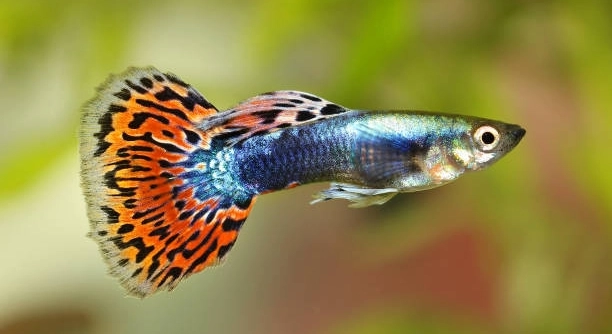
Guppies are generally peaceful fish, but sometimes they can exhibit signs of aggression. Understanding the reasons behind this behavior is important for maintaining a harmonious tank. There are several factors that could be influencing your guppy’s actions.
Aggression in guppies is often caused by stress, overcrowding, poor water quality, territorial behavior, or an imbalance in the male-to-female ratio. Additionally, aggressive behavior may stem from an illness, genetics, or incompatible tank mates, all of which can affect their temperament.
Exploring the reasons behind your guppy’s behavior can help you address the problem and create a better environment for your fish.
Overcrowding in the Tank
One of the main reasons your guppy might be acting aggressively is overcrowding. If there are too many fish in a small space, it can cause stress, leading to more aggressive behavior. Fish like guppies need enough space to establish their own territory and feel safe. Overcrowding not only leads to aggression but can also affect their overall health, making them more vulnerable to diseases and infections. If you’re noticing aggression in your guppy, it’s worth checking how many fish are in the tank compared to its size.
A general rule of thumb is one inch of fish per gallon of water. Keeping your guppy tank well-balanced will prevent stress and aggression. When tanks are overcrowded, the fish become more territorial and defensive, leading to increased fighting or chasing.
Making sure the tank size is adequate for your guppies helps maintain a calm environment. Adjusting the number of fish and providing hiding spots can significantly reduce aggression and keep your guppy stress-free.
Poor Water Quality
Poor water quality can trigger your guppy’s aggressive behavior. If the water conditions aren’t ideal, it can cause stress and make your guppy more irritable. Fish are sensitive to changes in water temperature, pH levels, and the amount of ammonia in the tank. These factors can affect their behavior and health, resulting in aggression toward other fish. Testing the water regularly will help you stay on top of the water quality.
To maintain the best water quality, consider using a good filtration system and performing regular water changes. A stable environment reduces stress and keeps your guppies calm. Make sure the water parameters, like temperature and pH, are within the recommended range for guppies to thrive.
Incompatible Tank Mates
If your guppy shares a tank with aggressive fish, it can feel threatened. Guppies are peaceful creatures, and placing them with larger, more aggressive fish can make them act out of character. Fish like bettas or large cichlids may cause stress, leading to aggression.
Ensure your guppies are housed with compatible species. Peaceful tank mates like tetras, other small livebearers, or snails can help avoid aggression. Creating a balanced community tank with fish that don’t compete for space or food helps maintain harmony. Keep in mind that fish of similar sizes usually get along better.
If you notice consistent aggression, it may be best to move some fish to a different tank. Always observe how the different species interact with one another to keep your guppy and other fish happy.
Territorial Behavior
Guppies, like most fish, can become territorial. Male guppies, in particular, may become aggressive toward each other when they establish boundaries. This behavior often happens if there are too many males or not enough females. In a small tank, males may constantly chase one another.
To reduce territorial disputes, try balancing the male-to-female ratio in your tank. Having more females than males can help minimize the aggressive interactions between males. Additionally, providing hiding spots and plants allows guppies to create their own space, reducing the chances of territorial aggression.
These steps will help your guppies feel more secure in their environment, leading to less aggression. Observing your tank regularly can give you an idea of how well the fish are getting along.
Stress and Environmental Factors
Stress is a major trigger for aggression in guppies. Changes in their environment, such as sudden temperature fluctuations, loud noises, or frequent handling, can make them uneasy. Guppies are sensitive, and prolonged stress often leads to erratic and aggressive behavior.
Keeping the environment stable is key. Ensure the water temperature, lighting, and tank conditions are consistent. Any sudden changes can stress your guppy and result in aggression toward other fish. It’s also important to minimize loud noises and sudden movements around the tank to prevent startling your fish.
Poor Diet
A poor diet can also influence your guppy’s behavior. If they’re not getting the right nutrients, they can become irritable and stressed. A lack of variety in their food can lead to imbalanced health and aggression. A well-fed guppy is a happier guppy.
Offering a mix of high-quality flakes, frozen foods, and live foods will ensure your guppy gets the nutrition it needs. Pay attention to portion sizes, as overfeeding can cause health problems. Feeding them a balanced diet will not only improve their behavior but also enhance their overall health.
Illness or Injury
Illness or injury can also cause guppies to act aggressively. When a guppy is not feeling well, it may become more defensive and territorial. Diseases or physical injuries can cause stress, leading to changes in behavior, such as hiding or fighting other fish.
If you notice that your guppy is acting strangely, check for signs of illness, such as spots, faded colors, or abnormal swimming patterns. Isolating the sick fish and treating it in a separate tank may help prevent it from stressing out the other fish.
FAQ
Why is my guppy chasing other fish?
Guppies may chase other fish as part of their territorial behavior or as a response to stress. Male guppies often chase each other, especially if there are not enough females in the tank. If a guppy is chasing another fish excessively, it may be feeling threatened or trying to assert dominance. Adding more hiding spots or adjusting the male-to-female ratio can help reduce this behavior.
How can I stop my guppy from being aggressive?
To stop your guppy from being aggressive, make sure the tank is not overcrowded. Provide plenty of space and hiding spots for them. Ensure water quality is optimal and that the fish are housed with compatible tank mates. Reducing stress by keeping their environment stable will also help calm them down.
Can water temperature affect my guppy’s behavior?
Yes, water temperature can significantly affect a guppy’s behavior. If the water is too cold or too warm, it can stress your fish and make them more aggressive. Guppies thrive in temperatures between 72°F and 82°F (22°C and 28°C). Keeping the water at the right temperature will help maintain their natural behavior.
Do guppies get along with other fish?
Guppies are generally peaceful fish that get along well with other species, especially smaller, non-aggressive fish. However, they can become aggressive if placed with larger or more dominant fish, like bettas. Always research compatible tank mates to ensure your guppies live in a harmonious environment.
Is my guppy stressed because of poor water quality?
Poor water quality can definitely stress a guppy and lead to aggression. Ammonia, nitrite, and nitrate levels should be checked regularly, as well as pH and temperature. If the water quality is poor, your guppy might feel unsafe, leading to aggressive behavior. Regular water changes and a good filtration system can help maintain healthy water conditions.
How do I know if my guppy is sick?
A sick guppy may display several signs, including faded colors, loss of appetite, abnormal swimming patterns, or spots on the skin. If your guppy is isolating itself or acting unusually, it could be a sign of illness. In such cases, isolate the sick fish in a quarantine tank and treat it appropriately.
What is the ideal tank size for guppies?
A 10-gallon tank is the minimum size for a small group of guppies. For every additional fish, increase the tank size by at least 1 gallon. Providing enough space for each guppy reduces stress and aggression, allowing them to swim comfortably without overcrowding.
Can male guppies be aggressive toward each other?
Yes, male guppies can be quite aggressive toward each other, especially if there are too many males in the tank. They will often chase and fight to establish dominance. A good way to reduce this is by keeping more females than males, as this helps spread out their attention and minimizes aggression.
Do guppies need a lot of plants in their tank?
While guppies do not need a large number of plants, having plants in the tank can help reduce stress and aggression. Plants provide hiding spots and create territories for the guppies, making them feel more secure. Additionally, plants help improve water quality by absorbing excess nutrients.
Can my guppy’s aggression be caused by hunger?
Hunger can make guppies more irritable and aggressive, especially if they are not being fed enough or are fighting for food. Ensuring they receive a balanced diet with enough food at regular intervals can help reduce aggression. Overfeeding, however, should be avoided, as it can lead to other health problems.
Why do guppies nip at each other?
Guppies may nip at each other as part of mating behavior or because they are stressed. Male guppies may chase and nip at females as part of their courtship. However, if the nipping is excessive and results in injury, it may be a sign of stress or aggression caused by overcrowding or poor water conditions.
How often should I feed my guppy?
Guppies should be fed once or twice a day, with small portions. Overfeeding can lead to poor water quality and health issues. Offering a variety of food options, including flakes, pellets, and occasional live or frozen foods, will help ensure your guppy receives the right nutrition without overfeeding.
Can adding more females reduce aggression among male guppies?
Yes, adding more females to the tank can help reduce aggression among male guppies. Male guppies tend to compete for the attention of females, so providing enough females for each male reduces the likelihood of excessive chasing and aggression. A good ratio is typically 1 male for every 2-3 females.
Is it normal for guppies to fight?
Guppies are generally peaceful fish, but it is normal for them to occasionally display aggressive behavior. This can be due to stress, territorial disputes, or an imbalanced male-to-female ratio. If fighting becomes frequent or leads to injury, adjustments such as more hiding spots or tank mates may be necessary.
Final Thoughts
Guppies are generally peaceful fish, but sometimes they may act aggressively due to various factors like stress, poor tank conditions, or incompatible tank mates. Understanding the reasons behind their behavior is essential for maintaining a healthy and calm environment for your fish. By identifying the cause of the aggression, you can take simple steps to improve their living conditions and reduce any stress that may be triggering this behavior. Proper tank management, including the right tank size, water quality, and compatible companions, is crucial for keeping your guppies happy and peaceful.
In some cases, aggression can be caused by environmental stress. Keeping your guppy tank clean, providing enough space, and ensuring the water temperature is consistent can go a long way in minimizing aggression. Offering a variety of food and maintaining a balanced male-to-female ratio also play key roles in reducing territorial behavior among guppies. It’s important to be mindful of these factors to create an environment where your guppies feel secure and can thrive. Even small changes in their surroundings can make a noticeable difference in their behavior.
If you notice persistent aggression despite adjusting their environment, it may be worth seeking advice from an experienced fish keeper or veterinarian. They can help identify any underlying health issues or recommend further solutions to help your guppies get along better. Ultimately, understanding your guppy’s needs and behavior is the first step toward ensuring a peaceful, happy tank where they can live comfortably.

Hello,
If you enjoy the content that we create, please consider saying a "Thank You!" by leaving a tip.
Every little bit helps us continue crafting quality advice that supports the health, happiness, and well-being of pets around the world, for pets of all shapes, sizes, and species.
We really appreciate the kindness and support that you show us!