
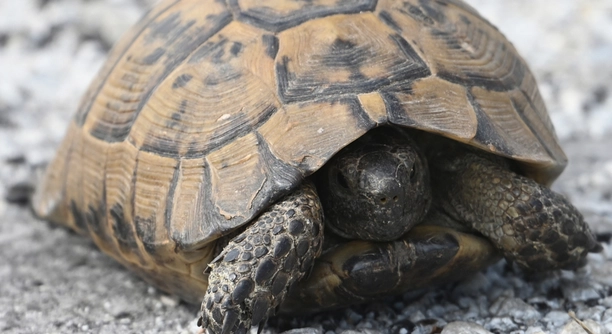
A Greek tortoise’s health and well-being are crucial for its long-term happiness. When its shell starts turning white, it can cause concern. Understanding the potential causes and solutions can help ensure a happy, healthy tortoise.
The white coloration on your Greek tortoise’s shell is commonly caused by a few factors, such as inadequate UVB exposure, humidity imbalance, or dietary deficiencies. Addressing these issues can help restore the natural color of the shell and improve overall health.
Making small adjustments in your tortoise’s care routine can often make a big difference. The following tips can help get your tortoise back to its healthy, vibrant self.
Causes of a White Shell on Your Greek Tortoise
A white shell on your Greek tortoise can be alarming, but it’s often related to environmental factors. One of the most common causes is a lack of proper UVB lighting. Greek tortoises require UVB rays to synthesize vitamin D3, which is essential for calcium absorption. Without adequate UVB exposure, the tortoise may develop shell problems, including discoloration. Another factor is the humidity levels in their enclosure. Too much moisture can lead to shell softening and discoloration, while too little can result in dry, flaky skin and shells. A poor diet, lacking in key nutrients like calcium and vitamin D, can also cause the shell to lose its natural color and strength. It’s crucial to keep a balance between the right lighting, humidity, and diet to prevent these issues.
Ensuring that your tortoise gets proper UVB exposure, humidity, and nutrition will help prevent white patches and other shell issues.
Monitoring the diet and providing the right supplements, like calcium and vitamin D3, is essential to maintain shell health. Many owners overlook the need for a well-balanced diet, which includes leafy greens and occasional fruits. Make sure to avoid foods high in oxalates, as they can hinder calcium absorption. To correct shell discoloration, add proper UVB lights and adjust the temperature and humidity levels in the tortoise’s habitat. A calcium supplement may also help restore the shell’s natural strength. Keep track of your tortoise’s behavior, too—if it’s less active or seems lethargic, it might indicate a more significant issue.
How to Correct the White Shell Issue
Adjusting your tortoise’s environment and diet can have a noticeable effect.
Start by ensuring that your tortoise gets 10-12 hours of UVB light daily, especially if it’s kept indoors. Adding a UVB light fixture above the enclosure is one of the easiest fixes. Make sure the light is placed at an appropriate distance from the tortoise’s shell for optimal absorption. Check the humidity levels in the enclosure as well. Use a hygrometer to monitor it and keep the range between 40-60% to avoid either excessive dryness or too much moisture. Next, focus on your tortoise’s diet. Offering a variety of dark leafy greens such as kale, collard greens, and dandelion greens can improve shell health. Adding a calcium supplement can help, but it’s best to check with a vet for specific dosing advice.
Regular monitoring and providing the right conditions are the most effective ways to fix the issue.
Importance of Proper UVB Lighting
UVB light is crucial for your tortoise’s health and shell color. Without it, they can’t produce vitamin D3, which is needed to process calcium. This deficiency leads to weakened shells and other health issues. It’s vital to provide consistent UVB exposure, especially for indoor tortoises that lack natural sunlight.
To provide proper UVB lighting, use a high-quality UVB bulb designed for reptiles. These bulbs should be replaced regularly, as their effectiveness diminishes over time. Aim for 10-12 hours of UVB light each day, and make sure the bulb is placed correctly, at a distance that allows your tortoise to absorb the rays properly. A basking area should be kept at a warm temperature, around 85-90°F, to encourage natural behaviors and ensure the UVB light is fully effective. Over time, you should see improvements in shell color and overall health.
If your tortoise isn’t getting enough UVB light, you’ll likely notice sluggish behavior or a lack of appetite. These signs may indicate that it’s time to adjust their lighting. Keep an eye on their energy levels and behavior after making the necessary changes. Monitoring UVB exposure closely can help prevent these issues.
Adjusting Humidity Levels
Humidity plays a significant role in shell health. Too much moisture can cause shell problems, while too little can lead to dehydration and dryness. Ideal humidity levels should range from 40-60% for Greek tortoises. Make adjustments based on your tortoise’s needs and the type of environment it’s kept in.
To regulate humidity, you can use a hygrometer to monitor the levels in your tortoise’s enclosure. If it’s too high, ensure the enclosure is well-ventilated and adjust any water sources accordingly. If the humidity is too low, consider adding a shallow water dish or using a humidifier to maintain the proper balance. This will help prevent the shell from becoming too dry or soft, both of which can contribute to discoloration and other health concerns.
It’s essential to balance humidity carefully. When it’s too low, it can cause the shell to dry out and crack. On the other hand, too much moisture may cause fungal growth or softening of the shell. Keep an eye on your tortoise’s shell and overall condition to help determine whether humidity adjustments are needed.
Providing a Balanced Diet
A balanced diet is essential for a healthy tortoise and a vibrant shell. If your tortoise isn’t getting the right nutrients, their shell may lose color and become weak. Providing a variety of greens and occasional fruits can help prevent these issues.
Leafy greens like kale, collard greens, and dandelion greens should be the base of your tortoise’s diet. Avoid iceberg lettuce, as it lacks nutritional value. In addition to greens, offer occasional fruits like strawberries or apples as treats. Make sure your tortoise also gets enough calcium by adding a supplement to their diet, especially if you are unsure they are getting enough from their food.
You can also provide high-quality tortoise pellets to round out the diet. These should be given in moderation and not replace fresh food entirely. Always provide fresh water to ensure hydration. A good diet will help keep your tortoise’s shell strong and healthy, preventing discoloration.
Calcium Supplementation
If your tortoise’s shell is turning white, it could be a sign of calcium deficiency. Calcium helps in the development of a strong shell and bones. Adding a calcium supplement may help.
You can dust your tortoise’s food with a calcium supplement a few times a week. Be sure to use a calcium supplement without phosphorus, as too much phosphorus can interfere with calcium absorption. If your tortoise’s shell remains white or weak despite dietary changes, it may be worth consulting a veterinarian to check for any underlying health conditions.
Temperature and Basking Areas
Temperature plays a key role in shell health. A warm basking area encourages your tortoise to absorb UVB rays, which is essential for proper shell development.
Set up a basking area with temperatures between 85-90°F. This allows your tortoise to properly digest food and stay active. Ensure that the basking spot is close enough to the UVB light, so your tortoise can enjoy the warmth and light at the same time. Keeping a thermometer in the enclosure helps maintain the right conditions.
FAQ
Why is my Greek tortoise’s shell turning white?
A white shell on your Greek tortoise can be caused by several factors. The most common reason is inadequate UVB lighting, which prevents the tortoise from absorbing vitamin D3 and calcium properly. Without these essential nutrients, the shell can become weak and discolored. Another potential cause is humidity imbalance—either too much or too little can lead to shell issues. A poor diet lacking in calcium, vitamin D3, or other necessary nutrients can also contribute to shell discoloration. To fix this, make sure your tortoise has proper UVB exposure, balanced humidity, and a nutritious diet.
Can I use a regular light bulb for my tortoise’s UVB needs?
No, a regular light bulb won’t provide the UVB rays your tortoise needs for healthy shell growth. UVB light is essential for the synthesis of vitamin D3, which allows tortoises to absorb calcium properly. You should use a specialized UVB bulb designed for reptiles. These bulbs provide the necessary UVB radiation that regular bulbs do not. Additionally, UVB bulbs should be replaced regularly, as their effectiveness decreases over time.
How much UVB light does my Greek tortoise need daily?
Your Greek tortoise needs about 10-12 hours of UVB light each day. If your tortoise is kept indoors, a UVB bulb will need to be used to simulate sunlight. Make sure the light is positioned correctly in the enclosure so that the tortoise can bask under it. The UVB light should be placed close enough to provide the proper intensity, but not so close that it causes overheating. Monitor your tortoise’s health and shell condition to ensure the light is effective.
Can humidity affect my tortoise’s shell health?
Yes, humidity plays a significant role in shell health. If the humidity is too high, it can cause fungal growth or soften the shell, leading to issues like discoloration or deformities. On the other hand, low humidity can lead to dehydration and a dry, flaky shell. The ideal humidity level for a Greek tortoise is around 40-60%. Use a hygrometer to measure the humidity in the enclosure, and adjust it as needed by adding a water dish or using a humidifier if necessary.
What should I feed my Greek tortoise to maintain a healthy shell?
To maintain a healthy shell, your Greek tortoise should be fed a diet rich in leafy greens such as kale, collard greens, and dandelion greens. These provide the essential nutrients needed for shell health, such as calcium and fiber. You can occasionally offer fruits like strawberries, apples, or melons, but these should be given as treats due to their higher sugar content. Avoid feeding iceberg lettuce, as it has little nutritional value. If your tortoise’s diet doesn’t provide enough calcium, consider supplementing with a calcium powder, especially if you’re concerned about their shell health.
Is it normal for my tortoise’s shell to change color over time?
Yes, some slight changes in color are normal as your tortoise ages. However, sudden or drastic color changes, such as the shell turning completely white, usually signal an underlying issue. These changes are often due to environmental factors like improper UVB lighting, incorrect humidity levels, or a nutritional deficiency. If you notice such changes, it’s important to assess your tortoise’s care routine and make the necessary adjustments to their lighting, humidity, and diet.
Can a calcium supplement help with a white shell?
Yes, if a white shell is due to calcium deficiency, adding a calcium supplement can help. Calcium is crucial for shell strength and development, and a lack of it can cause the shell to become soft and pale. Dusting your tortoise’s food with calcium powder a few times a week can help address the deficiency. It’s important to choose a supplement without phosphorus, as too much phosphorus can hinder calcium absorption. If you’re unsure of the appropriate amount to use, it’s always a good idea to consult with a vet.
How can I tell if my tortoise is getting enough calcium?
If your tortoise’s shell appears soft, pale, or white, it might be a sign that they’re not getting enough calcium. A lack of calcium can lead to weak shells and other health issues. Make sure your tortoise is eating a calcium-rich diet with foods like dark leafy greens. If you’re concerned, you can add a calcium supplement to their food a few times a week. Additionally, regular UVB exposure is important because it helps the tortoise synthesize vitamin D3, which is necessary for calcium absorption.
Should I take my tortoise to the vet for a white shell?
If your tortoise’s shell is turning white and the issue doesn’t improve after adjusting its diet, UVB exposure, and humidity, it’s a good idea to consult a vet. A veterinarian can check for underlying health issues, such as a vitamin deficiency or metabolic bone disease. Early detection and treatment are key to ensuring your tortoise’s long-term health and well-being. Your vet can provide guidance on how to correct the issue and prevent it from recurring.
Can temperature affect my tortoise’s shell?
Yes, temperature can influence your tortoise’s shell health. A basking spot that’s too hot or too cold can lead to stress and digestive issues, which can affect overall health. The ideal temperature for a Greek tortoise’s basking area should be around 85-90°F. Ensure the temperature is consistent throughout the enclosure, as extreme fluctuations can cause discomfort or health problems. Proper temperatures help your tortoise metabolize nutrients better, leading to improved shell health.
The condition of your Greek tortoise’s shell is an important indicator of its overall health. A white or discolored shell can be alarming, but it is often linked to environmental or dietary factors. Proper UVB lighting, humidity control, and a balanced diet are essential for maintaining a healthy shell. When these factors are addressed, the shell can return to its natural color and strength, promoting the well-being of your tortoise. Small adjustments to its habitat and diet can make a big difference in restoring your tortoise’s health.
It is important to remember that your tortoise’s shell health doesn’t just affect its appearance—it also plays a key role in its physical strength. Without proper nutrition, UVB light, and humidity, the shell may become weak, which could lead to long-term health problems. Calcium and vitamin D3 are vital to the development of a strong shell, so it’s necessary to make sure your tortoise gets enough of these nutrients. When you focus on providing the right environment and care, you’re helping your tortoise stay healthy and thrive for many years.
If your tortoise’s shell remains white despite making these changes, it may be time to consult a veterinarian. A vet can help you determine if there’s an underlying health condition that needs to be addressed. However, with the right care and attention to UVB exposure, humidity, and nutrition, most shell issues can be corrected. Keep a close eye on your tortoise’s condition and make adjustments as needed. A healthy shell is just one part of keeping your tortoise happy and well-cared-for in the long run.

Hello,
If you enjoy the content that we create, please consider saying a "Thank You!" by leaving a tip.
Every little bit helps us continue crafting quality advice that supports the health, happiness, and well-being of pets around the world, for pets of all shapes, sizes, and species.
We really appreciate the kindness and support that you show us!