
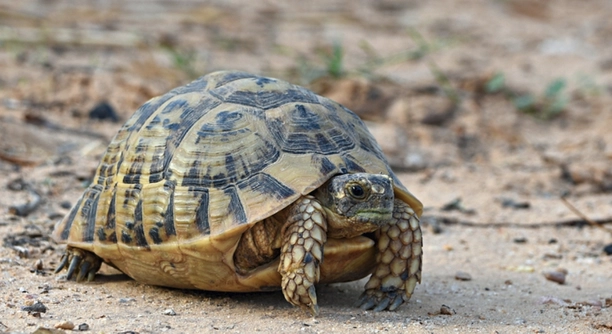
A white shell on a Greek tortoise can be concerning, especially if you’re unsure of the cause. This guide covers several potential reasons for the change in color.
The most common causes of a Greek tortoise’s shell turning white are poor diet, dehydration, fungal infections, or environmental stress. Additionally, age, calcium deficiency, or injury may contribute to the change in shell color.
There are steps you can take to prevent and address these issues. Keep reading to find out what might be affecting your tortoise’s shell and how to help it thrive.
Poor Diet
A poor diet is a common reason behind the whitening of a Greek tortoise’s shell. If a tortoise doesn’t get enough nutrients, particularly calcium and vitamins, it can lead to shell issues. A diet lacking in leafy greens, vegetables, and fruits can cause problems with the tortoise’s overall health, including the appearance of the shell.
Tortoises require a balanced diet to support strong shell growth. Providing foods like kale, dandelion greens, and clover ensures they get the necessary nutrients. Avoid feeding them high-protein or high-fat foods as these can affect their health negatively.
Adding a calcium supplement is crucial for Greek tortoises, especially when their diet doesn’t provide enough of this important nutrient. Without calcium, their shells may become weaker, and discoloration can occur. Ensuring they receive proper nutrition can prevent a lot of health problems, including changes in the appearance of their shell.
Dehydration
Dehydration can quickly affect a Greek tortoise’s shell, making it appear white or flaky. If your tortoise is not drinking enough water, or if its enclosure is too dry, this may lead to dehydration.
When a tortoise becomes dehydrated, it can suffer from various health problems. Shell discoloration is one visible sign that indicates they are not getting enough water. It’s essential to maintain proper humidity levels in their habitat, ensuring they have access to fresh water at all times. Providing a shallow dish of water for soaking is a good practice to help them stay hydrated.
Fungal Infections
Fungal infections can also lead to white patches or a change in color on a Greek tortoise’s shell. These infections usually develop in damp or improperly maintained environments. If your tortoise’s living space is too humid or not cleaned regularly, fungi may grow and affect its shell.
Fungal infections often cause the shell to look dull and discolored. If you notice any white, powdery spots on the shell or a change in texture, it may be a sign of a fungal issue. Treatment includes cleaning the shell with antifungal solutions and adjusting the habitat to reduce moisture levels. It’s important to maintain proper hygiene in the enclosure to prevent future fungal growth.
If the infection persists, consulting a vet is necessary for further diagnosis and treatment. Untreated fungal infections can lead to permanent damage to the shell and overall health of the tortoise. Proper enclosure maintenance and cleanliness are essential to prevent this problem.
Environmental Stress
Environmental stress plays a large role in the health of a Greek tortoise. Factors like temperature fluctuations, noise, and overcrowding can cause stress, which may result in shell discoloration. Stress can impact a tortoise’s ability to thrive, affecting its appearance and overall well-being.
Tortoises require a consistent and comfortable environment to remain healthy. Too much fluctuation in their habitat’s temperature can cause distress. Ensure their enclosure has proper heat sources, like a basking lamp, and a cooler area where they can retreat. Regular monitoring of humidity and light cycles is also crucial for their health. By providing a stable, quiet environment, you can minimize stress and support the tortoise’s well-being.
Maintaining a stress-free habitat will help the tortoise live a healthier life. Environmental factors such as light exposure and temperature should be regularly monitored to ensure they remain in ideal conditions.
Calcium Deficiency
A lack of calcium is another factor that can cause a Greek tortoise’s shell to turn white. Without enough calcium, their shells may weaken and develop discoloration. Calcium is essential for bone health and shell strength.
Calcium deficiency often leads to soft, brittle shells and overall poor health. A diet with inadequate calcium can also result in metabolic bone disease. To avoid this, calcium supplements are essential for tortoises, especially if their diet lacks calcium-rich foods like dark leafy greens and certain vegetables. Proper supplementation will help prevent shell discoloration.
Injury
An injury to a Greek tortoise can sometimes result in a white appearance on its shell. Physical trauma can cause scarring or discoloration, especially if the injury was not properly treated.
Tortoises with shell injuries may have visible white marks or rough patches. It’s important to keep the tortoise in a safe environment to prevent accidents. If an injury occurs, seeking veterinary care is necessary. The vet can assess the injury and recommend the proper course of action to ensure it heals properly. Shell injuries should be treated immediately to avoid infections and further damage.
Age
As Greek tortoises age, their shells may naturally lighten or develop a whiteish tint. Older tortoises often experience slower shell growth and slight changes in color.
The aging process may lead to shell discoloration due to the reduction in natural oils and wear over time. Aging doesn’t typically cause major health concerns, but it’s important to ensure the tortoise is still getting proper care. A balanced diet, hydration, and regular checkups will help maintain the tortoise’s overall health and prevent other potential shell problems.
FAQ
Why is my Greek tortoise’s shell turning white?
The white appearance on your Greek tortoise’s shell could be due to several reasons such as poor diet, dehydration, fungal infections, stress, calcium deficiency, injury, or even the natural aging process. Identifying the exact cause requires observing the tortoise’s overall health, shell texture, and habitat conditions. A proper diet, hydration, and clean environment are essential for maintaining shell health. If the issue persists, consulting a veterinarian is recommended to rule out any serious health concerns.
What can I do if my tortoise has a white shell?
To address a white shell, first assess the environment and diet. Ensure the tortoise is getting enough calcium and staying hydrated. If fungal infection or injury is suspected, treat it immediately with the appropriate medication. For dehydration, offer water and increase humidity levels in the habitat. Make sure your tortoise is in a stress-free, clean environment. If the discoloration continues, it’s best to consult with a vet for a thorough checkup.
How do I know if my tortoise has a calcium deficiency?
A calcium deficiency in a Greek tortoise often presents as soft, brittle, or discolored shells. You may also notice abnormal growth patterns, including the shell appearing weakened or thin. Other signs can include lethargy, poor appetite, and difficulty moving. Providing calcium supplements and adjusting the diet to include calcium-rich foods like dark leafy greens, dandelions, and clover will help support shell health.
Can stress cause a Greek tortoise’s shell to turn white?
Yes, stress can cause changes in a tortoise’s shell, including white patches or discoloration. Stress can result from environmental factors such as temperature fluctuations, loud noises, or overcrowding. Creating a calm and stable environment with proper heating, lighting, and space will help minimize stress and prevent shell discoloration. Make sure the habitat is consistent and secure to keep the tortoise relaxed.
How do I prevent my tortoise’s shell from turning white?
Preventing your tortoise’s shell from turning white involves maintaining a proper diet, hydration, and a clean, stable environment. Ensure your tortoise has access to fresh water at all times and provides a variety of nutritious foods, particularly those rich in calcium. Regularly clean the enclosure to avoid fungal growth and ensure temperature and humidity are optimal for your tortoise’s health. Keeping the environment stress-free also plays a crucial role in shell preservation.
What are the signs of a fungal infection in a tortoise?
A fungal infection in a tortoise may cause white, powdery spots on the shell, or patches of discoloration. The shell may feel rough or flaky to the touch. Other signs include an abnormal smell or changes in texture, such as soft spots. If a fungal infection is suspected, it’s important to clean the shell with an antifungal solution and adjust the tortoise’s habitat to reduce moisture. Consulting a veterinarian is essential for proper treatment.
How can I treat my tortoise’s fungal infection?
To treat a fungal infection, first, clean the affected area on the tortoise’s shell using an antifungal solution. Ensure the habitat is dry and well-ventilated, as excess moisture encourages fungal growth. Change the substrate regularly to prevent mold or fungus buildup. A vet may also prescribe antifungal medication if necessary to clear up the infection.
Can a Greek tortoise’s shell turn white as it gets older?
Yes, it’s common for a Greek tortoise’s shell to change color as it ages. Older tortoises may experience a natural lightening or whitening of their shell. This is usually due to changes in the shell’s texture and the reduction in natural oils that help maintain its appearance. As long as the tortoise is healthy and still eating well, age-related color changes are generally not a cause for concern.
How can I keep my tortoise’s shell healthy?
To keep your tortoise’s shell healthy, ensure it receives a balanced diet with plenty of calcium and other essential nutrients. Provide a suitable environment with proper heating, lighting, and humidity. Regularly clean the enclosure to prevent fungal infections and monitor your tortoise’s hydration levels. Also, avoid handling it too roughly, as this can cause stress and potential injury to the shell.
Is dehydration common in Greek tortoises?
Yes, dehydration can be a common issue, especially in Greek tortoises kept in environments with low humidity or insufficient access to water. Dehydration can lead to shell discoloration, lethargy, and other health problems. Providing a shallow water dish for soaking and ensuring the enclosure has proper humidity levels will help keep the tortoise hydrated. Make sure the water is fresh and easily accessible to the tortoise at all times.
How can I tell if my tortoise is dehydrated?
Signs of dehydration in a tortoise include sunken eyes, lethargy, dry or flaky skin, and a lack of appetite. The shell may also appear dry or cracked, particularly around the edges. To prevent dehydration, make sure your tortoise has constant access to fresh water and a proper humidity level in its habitat. Regular soaking is also beneficial for helping the tortoise stay hydrated.
What’s the best way to handle a tortoise with a white shell?
Handling a tortoise with a white shell should be done gently, without causing stress or harm. If the discoloration is due to injury or fungal infection, avoid unnecessary handling until it has been treated. If the white patches are a sign of dehydration, shell damage, or fungal growth, address those issues before attempting to handle the tortoise regularly. Always make sure the tortoise is healthy and comfortable before touching it.
Can shell injuries cause white patches on my tortoise?
Yes, injuries to a tortoise’s shell can cause white patches or scars, especially if the injury is not treated properly. A white appearance may develop around the injury site as the shell heals. Shell injuries should be cleaned and treated immediately to prevent infection and long-term damage. If the injury appears serious, it’s best to consult a vet for proper treatment and care.
How long does it take for a tortoise’s shell to heal from an injury?
The healing time for a tortoise’s shell injury depends on the severity of the damage. Minor cracks or scuffs may heal within a few weeks, while deeper or more serious injuries may take several months to heal completely. It’s crucial to keep the tortoise in a clean, dry environment during the healing process and prevent any further trauma to the injured area. If necessary, consult a vet for advice on proper care.
Final Thoughts
A Greek tortoise’s shell turning white can stem from various causes, ranging from minor changes in its diet or environment to more serious health concerns. It’s important to stay observant and monitor your tortoise for any other signs of discomfort or illness. While some white patches may simply be due to natural aging or temporary stress, others may indicate underlying issues like dehydration, fungal infections, or calcium deficiencies. Early detection is key to addressing these issues and ensuring the long-term health of your tortoise.
Providing the right environment plays a significant role in preventing shell discoloration. Your tortoise needs a habitat with proper temperature, humidity, and lighting. Adequate hydration is also essential, as dehydration is one of the leading causes of shell problems. A balanced diet, rich in calcium and other nutrients, is just as important to maintain a healthy shell. If you notice any changes, adjusting your tortoise’s environment or diet can make a noticeable difference in its health. Consistent care and monitoring will help you address any minor issues before they become more serious.
If you’re concerned about the health of your tortoise and the white patches on its shell, don’t hesitate to seek professional advice. Veterinarians specializing in reptiles can offer valuable insight into the specific cause and provide treatment options if necessary. While some changes in your tortoise’s shell may be harmless, it’s always better to err on the side of caution. Regular checkups can ensure that your tortoise remains healthy and happy for years to come.

Hello,
If you enjoy the content that we create, please consider saying a "Thank You!" by leaving a tip.
Every little bit helps us continue crafting quality advice that supports the health, happiness, and well-being of pets around the world, for pets of all shapes, sizes, and species.
We really appreciate the kindness and support that you show us!