
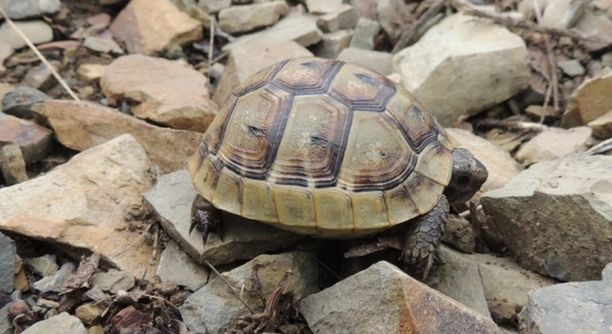
A Greek tortoise’s shell can turn black for a variety of reasons, ranging from health issues to environmental factors. Understanding the causes is important to ensure your pet’s well-being.
The discoloration of a Greek tortoise’s shell may be caused by factors such as fungal infections, poor diet, dehydration, or a lack of UVB light. In some cases, trauma or poor living conditions can also contribute to shell darkening.
Addressing these causes can help prevent further health issues and support your tortoise’s overall well-being. Understanding these factors will provide valuable insight into maintaining your pet’s health.
Fungal Infections and Their Impact
Fungal infections are one of the primary causes behind the blackening of a tortoise’s shell. These infections can develop when the tortoise’s shell becomes too moist or if the living environment is not cleaned regularly. Fungi thrive in warm, humid conditions and can cause the shell to darken, and in severe cases, lead to decay. To prevent fungal infections, it’s essential to maintain a clean and dry habitat for your tortoise.
Proper humidity and temperature control in their enclosure can help prevent the growth of harmful fungi. A consistent routine of cleaning and maintaining appropriate conditions will reduce the risk of infections and other health issues.
You can use antifungal treatments as a precaution or consult a vet if you suspect a fungal infection. Regularly inspecting the shell for signs of infection and addressing any changes promptly will help keep your tortoise healthy and its shell free of discoloration.
Poor Diet and Its Effects
Diet plays a critical role in maintaining a tortoise’s shell health. A lack of necessary nutrients, such as calcium and vitamin D, can lead to abnormal shell color and softness. Without a balanced diet, the tortoise’s shell may start to darken or show other signs of distress.
To ensure your tortoise is getting the right nutrients, provide a varied diet consisting of leafy greens, vegetables, and occasional fruits. Supplementing with calcium powder and ensuring adequate UVB light exposure will support proper shell development.
Dehydration and Shell Darkening
Dehydration is a common reason behind a tortoise’s shell turning black. When your tortoise is not receiving enough water, it can lead to various health issues, including darkening of the shell. Proper hydration is key to keeping your tortoise healthy.
A tortoise should have access to fresh water daily. You can place a shallow dish of water in their enclosure, ensuring they have easy access to it. If your tortoise isn’t drinking on its own, you can soak them in warm water a few times a week to ensure proper hydration.
It’s also essential to monitor their overall diet, as certain foods high in water content, like leafy greens, can contribute to hydration. By maintaining a proper water intake, you’ll help prevent dehydration and potential shell discoloration.
Poor Lighting and UVB Deficiency
UVB light is essential for a Greek tortoise’s overall health and shell development. Without proper exposure to UVB light, their shell can suffer from discoloration. This is because UVB helps with calcium absorption, which is crucial for shell maintenance.
If your tortoise’s living environment does not provide sufficient UVB lighting, their shell may not develop properly, leading to black spots or other darkened areas. Ensure you are using the right type of UVB light in their enclosure, and replace the bulb regularly to ensure it remains effective.
A UVB light should be placed close enough to your tortoise to allow proper exposure, but not too close to cause stress. In addition to UVB lighting, providing outdoor time in a safe area with natural sunlight can help keep your tortoise’s shell healthy.
Trauma and Physical Injury
Physical injury or trauma can lead to changes in the appearance of a tortoise’s shell. When a tortoise’s shell is injured, it may result in darkened areas or bruising as it heals. This is often a sign of stress or damage.
If your tortoise experiences any impact or injury, it’s important to monitor for swelling, scratches, or cracks. If you notice any unusual changes in the shell, it’s best to consult a vet. They can assess the injury and recommend appropriate care to ensure proper healing and avoid complications.
Shell trauma can lead to infections, so prompt action is needed to address any damage. Ensuring a safe environment can prevent future injuries.
Excessive Humidity
Too much humidity in a tortoise’s habitat can contribute to shell discoloration. While a certain level of humidity is necessary, excessive moisture can lead to the growth of fungi or bacteria, which can affect the tortoise’s shell.
Regularly check the humidity levels in their enclosure to ensure they stay within the ideal range. This can be easily monitored with a hygrometer. By controlling the humidity, you reduce the risk of infections and other health problems, keeping your tortoise’s shell looking healthy.
Infections and Shell Rot
Infections, especially shell rot, are a significant concern for tortoises. If a tortoise is exposed to excessive moisture or unsanitary living conditions, bacteria or fungi can invade the shell. This can cause it to darken and deteriorate over time.
To prevent shell rot, always clean your tortoise’s enclosure regularly. Check the shell for any soft spots, cracks, or discoloration, as these are signs of infection. If you notice any of these, it’s crucial to take your tortoise to a vet for treatment to prevent further damage.
FAQ
Why is my tortoise’s shell turning black?
A tortoise’s shell turning black can be caused by several factors such as fungal infections, dehydration, poor diet, inadequate UVB exposure, or physical trauma. It’s essential to closely monitor your tortoise’s behavior and environment to identify the cause. If black spots or discoloration persist, consult a vet for an accurate diagnosis and treatment.
Can poor diet cause my tortoise’s shell to turn black?
Yes, a lack of nutrients in your tortoise’s diet can lead to shell discoloration. Insufficient calcium or vitamin D can result in the shell darkening, softening, or developing black spots. Providing a balanced diet, including leafy greens and calcium supplements, can prevent this.
How can I treat fungal infections on my tortoise’s shell?
To treat fungal infections, you’ll need to isolate your tortoise in a clean, dry environment to prevent further spread. Use antifungal creams or medications recommended by your vet. Regular cleaning of the shell with a gentle, non-toxic cleanser can help remove fungal growth. Always follow your vet’s advice for the best treatment plan.
Is dehydration harmful to my tortoise’s shell?
Yes, dehydration can negatively affect your tortoise’s shell. When a tortoise is not properly hydrated, its shell may darken or become brittle. To prevent dehydration, provide fresh water daily and consider soaking your tortoise in warm water to help hydrate them. A proper diet with water-rich foods also supports hydration.
What UVB lighting is best for my Greek tortoise?
UVB lighting is crucial for your Greek tortoise’s health, helping them absorb calcium and maintain a healthy shell. Use a high-quality UVB bulb specifically designed for reptiles. Ensure the bulb is placed at the proper distance from your tortoise and replaced regularly, as UVB bulbs lose effectiveness over time.
Can trauma cause black spots on my tortoise’s shell?
Yes, trauma or injury can cause darkened areas on your tortoise’s shell. Black spots or discoloration might be a sign of bruising or damage to the shell. If your tortoise has experienced a fall or injury, monitor the shell for swelling or cracks. If needed, consult a vet for treatment to avoid infections.
How can I prevent shell rot in my tortoise?
To prevent shell rot, ensure that your tortoise’s habitat is clean and dry. Regularly clean their enclosure and avoid excessive humidity, which can encourage bacterial growth. Inspect your tortoise’s shell for any signs of softness or infection and consult a vet if you notice any changes.
What humidity level is ideal for my tortoise’s habitat?
Maintaining the right humidity level is essential for your tortoise’s health. The ideal humidity for most species of tortoises, including Greek tortoises, is around 50-60%. Use a hygrometer to monitor the humidity levels in their enclosure and adjust the temperature and water availability to keep it in check.
Can I use antifungal creams on my tortoise?
Antifungal creams specifically designed for reptiles can be used to treat fungal infections on your tortoise’s shell. Always consult a vet before applying any treatment to ensure it’s safe for your tortoise. The vet can recommend the right product and guide you on the proper application.
How often should I check my tortoise’s shell for health problems?
It’s important to regularly check your tortoise’s shell for any signs of health issues. Inspect their shell weekly for discoloration, cracks, or signs of fungal growth. If you notice any changes, such as dark spots or soft areas, seek veterinary care to prevent more serious problems from developing.
What are the signs of dehydration in a tortoise?
Signs of dehydration in a tortoise include lethargy, sunken eyes, dry or flaky skin, and darkening of the shell. If your tortoise is not drinking water or has a reduced appetite, it may be dehydrated. Soak them in warm water, offer fresh water daily, and provide moisture-rich foods to help rehydrate them.
Can stress cause my tortoise’s shell to change color?
Stress can affect a tortoise’s overall health, including its shell. While stress alone may not directly cause the shell to turn black, it can contribute to weakened immune function and make the tortoise more vulnerable to infections or other issues that can cause discoloration. Ensure your tortoise has a comfortable, stable environment.
What should I do if my tortoise has black spots on its shell?
If you notice black spots on your tortoise’s shell, it’s important to assess the situation. It could be caused by a fungal infection, trauma, or another health issue. Consult a vet if the spots do not go away after improving habitat conditions or diet. The vet can provide treatment or medication if necessary.
Can UVB light cause my tortoise’s shell to turn black?
While UVB light is important for your tortoise’s health, excessive exposure to it is unlikely to cause the shell to turn black. However, improper UVB lighting or lack of UVB can lead to calcium deficiencies and shell health problems. Make sure your tortoise gets adequate UVB exposure without overexposure to heat or light.
Final Thoughts
A tortoise’s shell turning black can be a sign of various health concerns, including infections, trauma, or poor environmental conditions. Identifying the cause early is crucial for proper treatment and ensuring your tortoise’s well-being. Regularly monitoring your tortoise’s behavior, shell, and living environment can help you catch issues before they become serious. Keeping a close eye on their diet, hydration, and the cleanliness of their habitat is essential in preventing many of the common causes of shell discoloration. If you notice any unusual changes, it’s always a good idea to consult a vet.
Shell discoloration might seem alarming at first, but many causes are treatable with proper care. Addressing the issue quickly can help your tortoise recover and prevent further complications. If you suspect a fungal infection or dehydration, simple changes like adjusting humidity levels, improving their diet, or using antifungal creams can make a significant difference. Ensuring that your tortoise gets the proper amount of UVB exposure will also support healthy shell growth and prevent further health issues. The sooner you act, the better the outcome for your tortoise.
Ultimately, providing a safe, clean, and stable environment for your tortoise is key to preventing shell discoloration and promoting overall health. Pay attention to any signs that could indicate underlying issues, such as changes in their shell color or behavior. By taking small steps to care for their habitat and health, you can help your tortoise maintain a strong, healthy shell for years to come. Regular veterinary visits can also play an important role in detecting and treating problems early. Keep your tortoise happy, and they will thrive.

Hello,
If you enjoy the content that we create, please consider saying a "Thank You!" by leaving a tip.
Every little bit helps us continue crafting quality advice that supports the health, happiness, and well-being of pets around the world, for pets of all shapes, sizes, and species.
We really appreciate the kindness and support that you show us!