
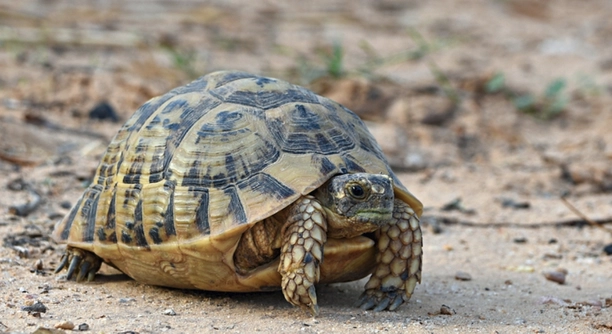
Sometimes, noticing a soft spot on your Greek tortoise’s shell can be worrisome. It’s important to understand what might be causing this issue, as it could be linked to their overall health and well-being.
A soft shell in Greek tortoises often indicates nutritional deficiencies, poor habitat conditions, or underlying health issues. Insufficient calcium, dehydration, and improper lighting are common factors that contribute to shell softening. Immediate attention can help prevent further complications.
In the following article, we’ll explore the different causes behind your tortoise’s soft shell and discuss the steps you can take to help your pet regain its health and strength.
Calcium Deficiency
One of the most common reasons for soft spots on your Greek tortoise’s shell is a lack of calcium. Calcium is essential for maintaining strong bones and a hard shell. Without enough calcium, the shell may soften, leading to deformities or more serious health concerns. Calcium deficiencies often occur when a tortoise’s diet lacks the necessary nutrients or if they’re not exposed to enough UVB light. This light is crucial for helping them absorb calcium from their food. You can address this issue by supplementing their diet with calcium-rich foods, such as dandelion greens, and providing a UVB light source in their habitat.
A lack of calcium can result in a fragile, soft shell that doesn’t properly protect your tortoise. It is vital to provide a balanced diet and proper lighting to keep their shells strong and healthy.
Make sure to dust your tortoise’s food with calcium powder and ensure their habitat gets the right amount of sunlight or UVB lighting. This is crucial for preventing soft shell issues and keeping your tortoise healthy in the long run.
Dehydration
Another reason why your tortoise’s shell may become soft is dehydration. Tortoises rely on water to maintain their body functions, and without enough hydration, their shells can become weak. Dehydration can lead to various health issues, including difficulty shedding the old skin and a weakened immune system. If your tortoise isn’t drinking enough water, it may affect its overall health, including the hardness of its shell.
To combat dehydration, make sure your tortoise has access to clean, fresh water at all times. You may also want to soak them in shallow water for a few minutes each day, which can encourage drinking and help with hydration.
You should also check the humidity levels in their enclosure. Too little moisture in the environment can lead to dehydration, so keeping the habitat properly humid can also help keep your tortoise hydrated.
Improper Lighting
Tortoises rely on UVB light to metabolize calcium and keep their shell healthy. Without proper lighting, they can develop soft shells and other health issues. An insufficient UVB light source in their habitat can cause a calcium imbalance, even if their diet is well-balanced. This light helps mimic natural sunlight and ensures your tortoise gets the nutrients it needs.
If your tortoise’s enclosure doesn’t have UVB lighting, you should invest in a reliable UVB bulb. This will help your pet absorb calcium properly, which is necessary for a healthy shell. Make sure the light is placed at the right distance to provide adequate exposure, as too much or too little can both cause problems.
Ensure the light is on for about 12 hours a day to mimic the natural daylight cycle. Check the UVB bulb’s strength regularly and replace it every six months, even if it seems to still be working. Your tortoise’s health depends on this crucial factor.
Poor Diet
A diet lacking in essential nutrients can directly impact the health of your tortoise’s shell. While many tortoises primarily eat leafy greens and vegetables, it’s important to offer variety. A poor diet that doesn’t include the right balance of fiber, vitamins, and minerals can lead to weak, soft shells. Specifically, your tortoise needs a calcium-rich diet, along with other vital nutrients like vitamin D3 and magnesium.
It’s essential to feed your tortoise a diet full of calcium-rich foods such as dark leafy greens, and avoid overfeeding them high-phosphorus foods like spinach. Additionally, fruits should be limited to prevent too much sugar intake. Offering a balanced diet will ensure your tortoise remains healthy.
Adding a calcium supplement can be helpful, but it’s best to do so under the guidance of a veterinarian. Regularly rotating foods and introducing fresh variety can also help provide the necessary nutrients for a strong shell.
Improper Temperature
Temperature plays a crucial role in the health of your tortoise, especially when it comes to digestion and shell development. If the habitat is too cold, your tortoise may struggle to digest its food properly, which can lead to nutrient deficiencies and a weakened shell. Maintaining the right temperature range is essential.
Your tortoise’s enclosure should have a warm area (about 85-90°F) and a cooler area (around 70°F) to allow them to regulate their body temperature. If the environment is too cold, the tortoise’s metabolism slows down, affecting its ability to absorb the nutrients needed to keep its shell strong.
Consistent temperature management is key for a healthy tortoise. Using a reliable thermostat and heat source will help keep the temperature in check.
Shell Injury
Injuries to the shell can also cause it to become soft in spots. While tortoises have hard shells, they can still suffer from damage if they fall, are dropped, or collide with hard surfaces. If the shell is cracked or injured, it may not fully heal and could lose its firmness.
When a tortoise suffers from a shell injury, it’s important to get immediate veterinary care to ensure the wound is properly treated. A vet may recommend specialized treatments or a shell repair process to help restore the shell’s health and strength.
Metabolic Bone Disease
Metabolic bone disease (MBD) is a serious condition caused by a calcium deficiency. If your tortoise isn’t getting enough calcium over time, it can lead to deformities and soft spots on the shell. MBD is often linked to improper lighting, poor diet, and lack of calcium absorption.
FAQ
What are the signs that my tortoise has a soft shell?
A soft shell in a tortoise can be noticeable when you gently press on it and feel it give or bend. The shell may also appear more flexible than usual, which is abnormal for most healthy tortoises. If you observe any changes, it’s essential to monitor your tortoise’s behavior and overall health closely. A soft shell can also be accompanied by other signs, like lethargy, lack of appetite, or difficulty moving.
Can a soft shell heal on its own?
In some cases, a soft shell can improve with proper care, including a balanced diet, adequate UVB lighting, and hydration. However, it’s important not to rely on natural healing alone, as it could lead to permanent damage if left untreated. A soft shell often indicates a nutrient deficiency or health issue that needs to be addressed, so seeking veterinary advice is crucial.
How can I fix a calcium deficiency in my tortoise?
To fix a calcium deficiency, start by adding calcium-rich foods to your tortoise’s diet. Dark leafy greens like kale, collard greens, and dandelion greens are excellent choices. You can also dust their food with calcium powder or provide cuttlebone as a calcium supplement. Additionally, ensure that your tortoise has access to UVB light, which is essential for calcium absorption. If the deficiency is severe, a veterinarian may recommend calcium injections or oral supplements.
What if my tortoise’s shell doesn’t harden after treatment?
If your tortoise’s shell remains soft despite treatment, it could indicate an underlying issue that requires professional intervention. This could be a sign of a more serious problem, such as metabolic bone disease (MBD) or a severe injury to the shell that hasn’t healed properly. A vet can conduct tests and provide a specific treatment plan to help your tortoise recover.
How can I prevent shell softening in the future?
To prevent shell softening, maintain proper care for your tortoise. This includes providing a well-balanced diet with calcium-rich foods, ensuring access to UVB lighting, keeping the enclosure at the right temperature, and ensuring your tortoise stays hydrated. Regular veterinary check-ups can also help catch any potential issues early.
Is it safe to give my tortoise calcium supplements?
Calcium supplements are generally safe for tortoises, but they should be given in moderation. Over-supplementing can cause other health issues, such as kidney problems or the formation of kidney stones. It’s always best to follow a vet’s advice on the proper dosage and method of supplementation based on your tortoise’s needs.
What temperature should my tortoise’s enclosure be?
Your tortoise’s enclosure should have a gradient temperature, allowing them to choose the right temperature for their needs. A warm area should be maintained between 85-90°F, while the cooler side should be around 70°F. Proper temperature control ensures that your tortoise’s metabolism works effectively and helps with calcium absorption.
What should I do if my tortoise is not drinking enough water?
If your tortoise is not drinking enough water, you can try soaking them in shallow water for a few minutes each day. This will help encourage drinking and hydrate your tortoise. Also, make sure fresh water is available at all times and that it’s clean. Adding water-dense foods like cucumbers or watery greens can also help with hydration.
How long should my tortoise’s UVB light be on each day?
UVB lighting should be on for about 12 hours a day to mimic natural sunlight. It’s important to ensure your tortoise has access to UVB light during the day, as this helps them absorb calcium and maintain a strong shell. Be sure to change the UVB bulb every six months, as the effectiveness of the light diminishes over time, even if it still appears to work.
Can dehydration cause a soft shell?
Yes, dehydration can cause a soft shell in tortoises. When a tortoise is dehydrated, it can lead to a weakened immune system and poor nutrient absorption, which affects shell strength. Ensure that your tortoise always has access to fresh water, and consider soaking them in shallow water regularly to encourage hydration.
How can I check if my tortoise is suffering from metabolic bone disease (MBD)?
Symptoms of metabolic bone disease can include soft or deformed shells, weakness, difficulty moving, and muscle tremors. MBD is often caused by calcium deficiencies, poor lighting, or an imbalance of nutrients. If you notice these signs, it’s important to take your tortoise to a veterinarian for a proper diagnosis and treatment plan.
Can I fix my tortoise’s shell if it’s cracked?
If your tortoise’s shell is cracked, it’s essential to seek veterinary care. While the shell may heal over time, cracks can become infected and lead to complications. A veterinarian will clean and treat the injury, possibly using specialized methods to help the shell heal properly. They may also provide advice on keeping your tortoise comfortable during the healing process.
Should I be concerned if my tortoise’s shell is soft in just one spot?
A soft spot in one area of your tortoise’s shell can still be a sign of an issue, such as a localized injury, calcium deficiency, or dehydration. Even if the soft area is small, it’s important to address it right away. Monitor your tortoise closely, make sure it’s getting the proper nutrition, and ensure that their environment is appropriate. If the soft spot persists or worsens, consult with a veterinarian.
Taking care of a Greek tortoise involves paying attention to their shell health, as it is an important indicator of their overall well-being. If you notice that your tortoise’s shell has soft spots, it’s essential to act quickly and address the issue. Soft spots can be caused by various factors, including calcium deficiency, dehydration, improper lighting, or poor diet. These factors often go hand in hand, so it’s important to take a holistic approach to care. Fixing the root causes can help restore your tortoise’s shell to its healthy state.
One of the most important things you can do for your tortoise is to provide a balanced diet. Ensuring they have enough calcium-rich foods and access to UVB light will help maintain a strong shell. If your tortoise is not receiving adequate nutrition, calcium supplements or the addition of specific foods like dark leafy greens can be helpful. It’s also crucial to manage their hydration and ensure they always have access to fresh water. Hydration directly impacts many aspects of a tortoise’s health, including the strength of their shell.
Finally, regular monitoring and veterinary check-ups are key. If the soft spots on your tortoise’s shell persist or worsen, it’s best to consult a veterinarian. A vet can provide specific treatments and advice based on the individual needs of your tortoise. Catching health issues early can prevent further complications and ensure your tortoise has a long, healthy life. Taking proactive steps, from proper diet and lighting to regular health checks, can make a big difference in maintaining the health of your Greek tortoise’s shell.

Hello,
If you enjoy the content that we create, please consider saying a "Thank You!" by leaving a tip.
Every little bit helps us continue crafting quality advice that supports the health, happiness, and well-being of pets around the world, for pets of all shapes, sizes, and species.
We really appreciate the kindness and support that you show us!