
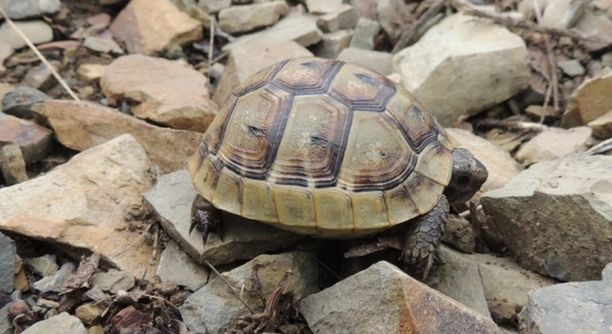
Greek tortoises are fascinating creatures, but sometimes they may experience issues that can worry their owners. One common concern is when their shells begin to peel. This can leave you feeling uncertain about what’s going on with your pet.
Shell peeling in Greek tortoises can be caused by various factors, including improper humidity, diet issues, infections, or even stress. It is essential to identify the underlying cause to ensure proper care and avoid further complications.
Understanding the causes behind shell peeling can help you care for your tortoise. Addressing the issue can lead to a healthier and more comfortable life for your pet. Keep reading to find out more.
Poor Diet or Nutrient Deficiencies
A lack of essential nutrients in your Greek tortoise’s diet can lead to a peeling shell. Tortoises need a variety of foods that are high in fiber, calcium, and vitamins. If your tortoise isn’t getting enough of these, it can cause their shell to become weak and begin peeling. Calcium is particularly important for shell health, as it helps with the development and strength of the shell. Without it, the shell may start to shed or show signs of damage.
Sometimes, just a change in diet can make a big difference. Offering a mix of leafy greens, vegetables, and calcium-rich foods like cuttlefish bone can improve their overall health. It’s also important to avoid feeding them too many high-protein foods, as these can upset their balance and lead to other health issues.
If you suspect diet is the problem, it may be helpful to speak with a veterinarian. A proper diet plan can help your tortoise recover and prevent future shell problems.
Humidity and Environmental Factors
Proper humidity levels are essential for your tortoise’s shell and skin. Low humidity can cause your tortoise to shed its scutes, the outer layers of its shell, which can lead to peeling. Tortoises are used to specific climate conditions, and an environment that’s too dry can disrupt their natural processes.
To maintain the right humidity, you’ll need to provide a moist substrate and ensure that the enclosure has a humidifying source. Make sure to spray the environment with water regularly and consider using a humidifier. This is especially important if you live in a dry area or have indoor heating that can lower humidity levels.
Monitoring the temperature and humidity carefully will help keep your tortoise comfortable. This small adjustment could prevent further shell issues and support your tortoise’s overall well-being.
Shell Rot or Infection
Shell rot can be a serious issue that causes your Greek tortoise’s shell to peel. This infection occurs when bacteria or fungi enter cracks or damaged areas of the shell. It leads to the shell becoming soft, discolored, and often foul-smelling. If left untreated, shell rot can cause severe damage and affect your tortoise’s health.
Treating shell rot requires immediate action. You should take your tortoise to the vet, who can properly diagnose the infection and provide the necessary treatment. Treatment usually includes cleaning the infected areas, applying topical antibiotics, and possibly giving oral medication. In severe cases, the vet may need to remove infected portions of the shell.
It’s important to regularly inspect your tortoise’s shell for cracks or other signs of damage. Keeping their habitat clean and dry helps prevent infections from taking hold. Early intervention can stop the spread of the infection and allow the shell to heal properly.
Stress or Environmental Changes
Stress can negatively affect your Greek tortoise’s health, leading to peeling shell issues. Changes in their environment, like moving to a new tank or being exposed to loud noises, can trigger stress. Stress weakens the immune system, making it harder for your tortoise to maintain healthy shell growth.
To prevent stress, try to keep their habitat stable and quiet. Avoid making abrupt changes to their enclosure or handling them too much, as this can cause anxiety. Additionally, ensure your tortoise has enough space to roam, as overcrowding can also contribute to stress. Maintaining a consistent routine will help keep them calm.
If you notice that stress is affecting your tortoise, consider providing more hiding spots and enrichment to make their environment feel safer. Stress management can greatly improve your tortoise’s health and prevent further shell issues.
Mites or Parasites
Mites or parasites can cause irritation to your tortoise’s shell, leading to peeling. These pests can burrow into the skin or shell, causing inflammation and discomfort. If left untreated, they can weaken the shell’s structure and cause it to shed unnaturally.
If you notice your tortoise scratching excessively or showing signs of irritation, it may be infested with mites or other parasites. A vet can help diagnose the problem and recommend the best treatment, which may include topical medications or baths to kill off the parasites. It’s important to clean the enclosure thoroughly to prevent re-infestation.
Regularly check your tortoise for any signs of parasites, especially after handling wild animals or placing your tortoise in a new environment. Early detection can make treatment more effective and prevent further shell damage.
Overexposure to Sunlight
Excessive exposure to sunlight can cause your Greek tortoise’s shell to become dry and brittle. This can lead to peeling or cracking, which may weaken the shell’s structure. It’s important to provide balanced sunlight, as too much can be harmful.
To ensure your tortoise gets just the right amount of sunlight, allow them to bask for a few hours a day in a controlled environment. Provide shaded areas within their habitat so they can retreat when they need relief from direct sunlight. This helps prevent dehydration and overexposure.
Too much heat or prolonged exposure to UV rays can stress the tortoise’s shell. Balancing their outdoor time and indoor conditions will prevent the peeling from worsening and keep them healthier.
Poor Shedding Habits
Greek tortoises naturally shed the outer layers of their shells, known as scutes, as part of their growth process. However, improper shedding can cause the shell to peel in a way that’s damaging. A tortoise with poor shedding habits may struggle with natural scute separation.
To help your tortoise shed properly, ensure they have a humid environment and access to clean water. If the environment is too dry, the scutes may not come off properly, leading to peeling or retained scutes. Occasionally soaking your tortoise in warm water can help with the shedding process.
Avoid handling your tortoise too much during shedding. Instead, focus on maintaining optimal habitat conditions, such as humidity and temperature, to support natural shedding.
FAQ
What can I do if my tortoise’s shell is peeling?
If your Greek tortoise’s shell is peeling, it’s important to first identify the cause. Start by checking their habitat conditions, ensuring that humidity and temperature are appropriate. Next, evaluate their diet to ensure they are getting enough calcium and essential nutrients. If the peeling continues, it may be due to an infection or parasites, in which case visiting a vet is essential for proper treatment. Regularly check for signs of injury or shell rot. If you notice soft spots or foul smells, seek professional care immediately.
Can I help my tortoise with shell shedding?
Yes, you can help your tortoise shed its scutes by creating the right environment. Keep the humidity at the right level to support natural shedding. You can also soak your tortoise in warm water to encourage the process. Avoid forcefully removing scutes, as this could cause harm. With proper care, your tortoise will naturally shed its shell, but be patient as this can take time.
How do I prevent shell rot in my tortoise?
Preventing shell rot involves maintaining a clean and dry habitat for your tortoise. Regularly inspect their shell for cracks or injuries, and ensure that their enclosure is not too damp or too dry. If your tortoise has any shell injuries, clean the area gently and apply an antiseptic. Avoid over-watering their living space, as excessive moisture can create conditions conducive to bacteria and fungi. Always maintain proper temperatures to promote a healthy immune system and shell health.
What are the signs of a stressed tortoise?
A stressed tortoise may display signs like hiding more than usual, reduced appetite, or excessive scratching. They might also become more aggressive or exhibit erratic movements. Environmental stressors such as sudden temperature changes, loud noises, or overcrowding can contribute to this. If your tortoise is stressed, try to keep their environment quiet, stable, and secure. Providing hiding spots and enriching their habitat can help reduce stress.
How do I know if my tortoise has a parasite problem?
Signs of parasites in your Greek tortoise can include visible skin irritation, excessive scratching, or changes in behavior. If your tortoise has a mite infestation, you may notice small white or red dots on their skin or shell. A vet can perform a proper examination and fecal test to confirm the presence of parasites. If parasites are found, your vet will provide treatment, which often involves topical applications or baths. Regular cleaning of their enclosure is also essential to prevent reinfestation.
Is it safe for my tortoise to be outside?
Yes, it’s safe for your tortoise to be outside, as long as you provide a secure, shaded, and temperature-controlled environment. Make sure the area is free of predators and allows your tortoise to roam freely without the risk of escape. Outdoor time should be limited, depending on the climate, to avoid overexposure to the sun. Ensure they have access to fresh water and shelter at all times while outside.
Can stress cause my tortoise’s shell to peel?
Yes, stress can contribute to shell issues, including peeling. When a tortoise is stressed, their immune system weakens, making them more susceptible to infections or other health problems that could cause shell damage. Keeping your tortoise’s environment calm, consistent, and secure is essential to prevent stress. Avoid sudden changes and excessive handling, as these can trigger anxiety in your pet. A stable routine will help minimize stress.
What is the best way to provide calcium for my tortoise?
To provide calcium for your tortoise, offer them foods high in calcium, such as dark leafy greens, dandelion greens, and calcium-enriched vegetables. Additionally, placing a cuttlefish bone or calcium block in their enclosure allows them to gnaw on it for added calcium. If your tortoise is not eating calcium-rich foods, you can supplement their diet with a calcium powder, but it’s important to do this in moderation. Over-supplementation can cause other health issues.
How often should I clean my tortoise’s enclosure?
It’s important to clean your tortoise’s enclosure regularly to maintain a healthy environment. Spot clean the area daily by removing waste and uneaten food. Once a week, thoroughly clean the entire enclosure, including the substrate, water dish, and any decor. Use mild, non-toxic cleaners and ensure everything is completely dry before putting your tortoise back. Cleaning helps prevent the growth of harmful bacteria and fungi, reducing the risk of infections and shell problems.
Can I use oils or creams on my tortoise’s shell?
It’s generally not recommended to use oils or creams on your tortoise’s shell unless advised by a veterinarian. While some oils may provide temporary moisture, they can interfere with the natural shedding process or cause buildup. If your tortoise has a peeling shell, it’s best to focus on maintaining proper environmental conditions—like humidity and temperature—rather than applying creams. If you suspect shell rot or another condition, consult a vet for proper treatment.
Taking care of a Greek tortoise involves paying close attention to their environment, diet, and overall health. If your tortoise’s shell is peeling, it’s important to first understand what might be causing it. While shedding is natural, peeling can also be a sign of an underlying issue. Whether it’s a problem with their diet, environmental factors, stress, or even an infection, identifying the cause will help you address the issue more effectively. Proper care and timely intervention can prevent further damage to their shell and ensure your tortoise remains healthy.
A balanced diet is key to keeping your tortoise’s shell strong. Make sure they are getting enough calcium, fiber, and other essential nutrients. Avoid overfeeding high-protein foods, as this can upset their nutritional balance. In addition, providing proper humidity and temperature levels in their enclosure is crucial. This helps support their natural shedding process and keeps their shell from becoming dry and brittle. Regularly cleaning their habitat and checking for signs of stress or illness can prevent many of the common issues that lead to shell peeling.
In some cases, shell problems may require veterinary attention. If you notice unusual signs like soft spots, discoloration, or foul odors, it’s best to seek help from a vet experienced with reptiles. Addressing these concerns early can prevent more serious complications, such as shell rot or infections. By providing the right care and environment, your Greek tortoise can live a long, healthy life with a strong, vibrant shell.

Hello,
If you enjoy the content that we create, please consider saying a "Thank You!" by leaving a tip.
Every little bit helps us continue crafting quality advice that supports the health, happiness, and well-being of pets around the world, for pets of all shapes, sizes, and species.
We really appreciate the kindness and support that you show us!