
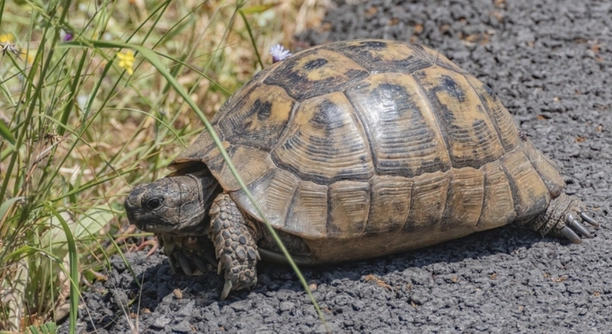
A healthy tortoise shell is an essential part of your pet’s overall well-being. However, noticing your Greek tortoise’s shell getting softer may leave you feeling concerned about its health. Understanding the reasons behind this can help address the issue early.
The softness of your Greek tortoise’s shell is often linked to factors such as poor diet, dehydration, improper UVB exposure, or lack of calcium. These causes can lead to shell deformities and health issues if not corrected promptly.
Identifying the root cause of this softness is crucial for your tortoise’s recovery. This article will explore the seven most common reasons and provide helpful advice on how to address each issue effectively.
Lack of Calcium
One of the most common reasons for a soft tortoise shell is calcium deficiency. Greek tortoises need a steady supply of calcium for proper shell development and overall health. Without enough calcium, their shells may become soft, fragile, or even start to deform. This can occur if the diet lacks calcium-rich foods or if they are not provided with calcium supplements.
You can solve this issue by offering leafy greens, such as collard greens, dandelion greens, or kale. Providing cuttlebone or a calcium supplement can also help ensure they are getting enough of this essential nutrient.
Additionally, make sure that calcium is balanced with phosphorus in their diet. Too much phosphorus can inhibit calcium absorption. You can also adjust your tortoise’s diet to include other calcium-rich sources like certain flowers and vegetables. Ensuring that calcium is a consistent part of your tortoise’s diet will help prevent soft shell problems and support healthy growth over time.
Dehydration
Dehydration can quickly lead to soft shells in tortoises. Greek tortoises require plenty of water to stay hydrated and maintain their health. When they do not drink enough or are kept in an environment with low humidity, their shells may soften as a result.
Make sure your tortoise has access to fresh water daily. You can also gently soak your tortoise in lukewarm water for 15-20 minutes to encourage hydration. Keeping your tortoise in a habitat with proper humidity levels will also help prevent dehydration. A humid hide or a shallow water dish can be beneficial in maintaining the right environment. Regular hydration helps keep the tortoise’s shell strong and supports other bodily functions.
Inadequate UVB Lighting
UVB light is essential for your Greek tortoise’s shell health. Without proper UVB exposure, they cannot process calcium effectively, leading to softening of their shell. Inadequate lighting can result from using low-quality bulbs or keeping them in environments with poor sunlight exposure.
To fix this, ensure that your tortoise has access to a high-quality UVB bulb for 10-12 hours a day. Position the light source about 6-12 inches above your tortoise’s basking spot. The right UVB lighting will help your tortoise absorb calcium and keep their shell strong.
Additionally, make sure the UVB bulb is replaced every 6-12 months, as its effectiveness diminishes over time. Tortoises need direct exposure to the light to make use of the UVB rays, so adjust the setup to make sure they get enough exposure. If possible, providing access to natural sunlight for short periods can also contribute to healthy shell growth.
Overfeeding or Unbalanced Diet
Feeding your Greek tortoise too much or offering a diet that lacks variety can lead to shell softening. If the diet is heavy on high-protein foods or lacks the necessary balance of fiber, vitamins, and minerals, it can cause health problems, including a soft shell.
To keep their shell strong, offer a variety of leafy greens, grasses, and some flowers. Avoid overfeeding them high-protein foods like animal matter or too many fruits. Make sure their diet mirrors what they would typically eat in the wild, focusing on fiber-rich, low-protein food. A well-rounded diet will help them thrive.
Also, avoid feeding them excessively to prevent obesity and related health problems. Pay attention to the portion size and frequency, as a healthy weight and diet will play a huge role in preventing shell softening. Balance is key when it comes to your tortoise’s long-term health and shell durability.
Mites or Parasites
Mites and other external parasites can cause your tortoise’s shell to soften. These pests can weaken your tortoise’s health and create additional stress, leading to an unhealthy shell. Signs of parasites include irritation or visible changes in the shell’s texture.
To address this, regularly check your tortoise for mites and other parasites. If you find any, consult a vet for proper treatment. Keeping your tortoise’s habitat clean will also prevent parasite infestations. An infected tortoise may need specific medications to remove parasites and restore its health.
Stress
Stress can affect your Greek tortoise’s overall health, including the condition of their shell. When tortoises are stressed, their immune system weakens, which can cause shell problems like softening. Stress can result from improper housing conditions, a lack of space, or environmental changes.
Reducing stress involves creating a stable, comfortable environment for your tortoise. Make sure their enclosure is spacious, clean, and has the right temperature. Try to avoid sudden changes in their routine or environment, as tortoises thrive on stability. Ensuring they feel safe and comfortable will prevent unnecessary stress and help maintain a healthy shell.
FAQ
What is the best way to prevent my Greek tortoise’s shell from getting soft?
The best way to prevent your tortoise’s shell from becoming soft is by ensuring a balanced diet, proper hydration, and adequate UVB lighting. Calcium is essential for strong shell growth, so provide calcium-rich foods like dark leafy greens and ensure your tortoise has access to UVB light for at least 10-12 hours a day. Keep their habitat clean and maintain proper humidity levels. Regularly check for signs of stress or illness, as these can also contribute to shell issues.
How much calcium should my Greek tortoise get?
Your Greek tortoise should have a regular supply of calcium, ideally in the form of a calcium supplement or cuttlebone, especially if their diet is lacking in high-calcium vegetables. You should sprinkle calcium powder over their food about two to three times a week, depending on their age and health. Offering fresh, calcium-rich leafy greens like collard greens or dandelion greens will also contribute to their calcium intake. Be cautious not to over-supplement, as too much calcium without the right balance of phosphorus can cause problems.
How can I tell if my Greek tortoise is dehydrated?
Dehydration in Greek tortoises may present itself in several ways, including a sunken or dry-looking shell, lethargy, or difficulty moving. If your tortoise’s skin looks wrinkled or loses its elasticity when gently pinched, this can also be a sign of dehydration. It’s important to offer water regularly, soak your tortoise in lukewarm water for 15-20 minutes, and ensure they have access to a shallow water dish at all times. If you notice any of these signs, increase hydration immediately and consult a vet if needed.
What temperature should my Greek tortoise’s habitat be?
Greek tortoises need a temperature gradient in their habitat to regulate their body temperature. The basking area should be between 90-100°F (32-38°C), while the cooler side of the enclosure should stay around 70-80°F (21-27°C). Nighttime temperatures can drop to about 60°F (15°C) without causing harm. Using a heat lamp and an appropriate thermostat to maintain these temperature ranges will help your tortoise stay comfortable and healthy, preventing any issues that may affect their shell or overall well-being.
Can I use a regular light bulb for UVB lighting?
No, you should not use a regular light bulb for UVB lighting. Tortoises need specialized UVB bulbs to process calcium properly and maintain a strong shell. These bulbs are designed to emit UVB rays, which help tortoises synthesize vitamin D3 and absorb calcium effectively. Make sure the UVB light is from a reputable brand and is designed specifically for reptiles. Also, remember to replace the bulb every 6-12 months, as its effectiveness diminishes over time, even if the light still works.
What should I do if my tortoise’s shell is showing signs of illness?
If you notice that your tortoise’s shell is soft, discolored, or showing any unusual signs, it’s important to act quickly. Check for other symptoms such as lack of appetite, lethargy, or swelling. The first step is to ensure proper environmental conditions, including temperature, lighting, and humidity. A vet specializing in reptiles should be consulted to determine the exact cause. They may suggest tests to rule out infections, parasites, or nutritional deficiencies. Treating shell issues early will help prevent further damage.
Can stress affect my tortoise’s shell?
Yes, stress can affect your Greek tortoise’s shell health. Stress can weaken your tortoise’s immune system and hinder proper calcium absorption, leading to a soft shell. Causes of stress can include improper living conditions, such as overcrowding, poor diet, or environmental changes. Tortoises are sensitive to their surroundings, and a consistent, safe environment will help them thrive. Ensure their habitat is spacious, clean, and free from excessive noise or disturbances. The more comfortable they are, the less stressed they will feel, which can prevent shell issues.
How do I prevent my tortoise from getting mites?
Preventing mites requires regular inspection of your tortoise and their habitat. Clean the enclosure thoroughly to remove any mites or eggs. You can also regularly inspect your tortoise’s skin and shell for any signs of irritation or tiny black spots that could indicate mites. If mites are found, consult a reptile vet for proper treatment, which may involve medicated baths or topical treatments. Keep your tortoise’s environment clean and ensure that any new items or plants added to their habitat are properly sanitized.
Can I overfeed my tortoise?
Yes, overfeeding your Greek tortoise can lead to various health problems, including obesity and shell issues. It is important to feed them the right amount of food and to maintain a balanced diet with the correct portion sizes. Greek tortoises are herbivores and need a variety of leafy greens, grasses, and some flowers. Avoid feeding them too many high-protein foods or fruits, as this can cause an imbalance in their diet. Stick to a feeding schedule, and keep an eye on their weight to ensure they stay healthy.
How often should I soak my tortoise?
Soaking your Greek tortoise is an important part of their care routine, especially for hydration. Soak your tortoise in lukewarm water for 15-20 minutes, 2-3 times a week, or more frequently if they appear dehydrated. This will encourage them to drink and help with bowel movements. Be gentle and avoid soaking them in water that is too hot or cold, as it can cause stress. Keep an eye on their behavior after soaking to ensure they are not overly stressed or cold. Regular soaking is a good practice to prevent dehydration-related issues.
Taking care of your Greek tortoise’s shell health requires attention to detail and consistency. A healthy, strong shell is essential for their overall well-being, and any signs of softness should not be ignored. By providing the right balance of calcium, hydration, UVB light, and a proper diet, you can help ensure your tortoise’s shell stays in great shape. Monitoring their environment and habits is also key, as environmental stress or improper conditions can negatively impact their health.
If you notice any softening or other abnormalities in your tortoise’s shell, it’s important to act quickly. Early detection can make a significant difference in preventing further damage or health complications. Whether it’s adjusting their diet, improving hydration, or seeking veterinary care, small changes can have a big impact on your tortoise’s health. Always be proactive about creating an environment that supports their natural needs. Regularly check their shell for signs of discomfort or injury, and make adjustments to their living conditions as needed.
Remember that every tortoise is different, and what works for one may not always work for another. Keeping track of what helps your specific tortoise stay healthy can make all the difference. Be patient and attentive, as tortoises are slow to respond to changes, but with time, they will thrive under the right care. By staying informed and committed, you will give your tortoise the best chance at a long and healthy life with a strong, sturdy shell.

Hello,
If you enjoy the content that we create, please consider saying a "Thank You!" by leaving a tip.
Every little bit helps us continue crafting quality advice that supports the health, happiness, and well-being of pets around the world, for pets of all shapes, sizes, and species.
We really appreciate the kindness and support that you show us!