
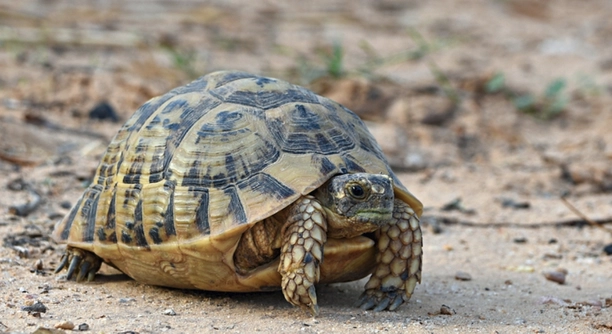
A Greek tortoise’s shell is a vital part of its well-being. When it starts to crack, it may be a sign of something important. Understanding the reasons behind this change can help ensure your tortoise stays healthy.
A cracking shell in a Greek tortoise is commonly caused by improper diet, dehydration, or inadequate habitat conditions. Lack of UVB light, poor humidity, or rough handling can also lead to cracks or damage to their shell structure.
By learning more about these causes, you can take the necessary steps to prevent further damage and keep your tortoise comfortable.
Improper Diet
A balanced diet is essential for your Greek tortoise’s health. If the diet lacks the right nutrients, it can lead to weak shells and potential cracking. Greek tortoises need a diet rich in fiber, vitamins, and minerals to maintain strong, healthy shells. Foods such as leafy greens, grasses, and some flowers are ideal. On the other hand, foods high in oxalates or calcium imbalance can harm your tortoise. Additionally, overfeeding or feeding the wrong types of food, like fruits or high-protein meals, can contribute to shell issues. Make sure you’re providing a variety of foods to cover all their nutritional needs.
Inconsistent feeding habits may also affect their health. It’s important to feed them regularly and avoid large amounts of one type of food to prevent nutritional deficiencies.
Another critical factor is calcium. Tortoises need calcium to help grow and maintain their shells. Without enough, cracks may form, or the shell may become soft, leaving it more vulnerable to damage.
Dehydration
Dehydration is another serious cause of shell cracking. Tortoises can suffer if they do not receive enough water, which can weaken the shell structure. It’s essential to provide fresh water daily and make sure your tortoise has access to it at all times. You can also offer them soaked vegetables, which will help with hydration. It’s essential to keep an eye on their water intake and ensure they stay hydrated.
If your tortoise isn’t drinking, it could be a sign that their environment is too dry. Keep the humidity at the right level, especially if you live in a dry climate.
Inadequate Habitat Conditions
If the environment is too hot, cold, or dry, it can negatively affect your tortoise’s shell. Greek tortoises require a temperature range of 75-85°F during the day and a cooler spot at night. Too much heat can cause dehydration, while insufficient warmth can impact their metabolism and shell health. Humidity levels are also important—too dry an environment can lead to brittle shells, while too much humidity may cause respiratory issues.
It’s crucial to create a balanced habitat. A basking spot with a UVB light source is essential for vitamin D3 synthesis, which helps calcium absorption. Without the proper lighting, the tortoise’s shell may not develop properly, and cracks may appear.
You should regularly monitor the temperature and humidity in their enclosure using thermometers and hygrometers. This will allow you to adjust their environment if necessary, ensuring they stay comfortable and healthy.
Improper Handling
Rough handling can cause physical stress on your Greek tortoise, leading to shell cracks. Tortoises are delicate creatures, and their shells can easily be damaged by improper lifting techniques or sudden movements. Always handle your tortoise gently and avoid picking them up by the shell, as this can cause unnecessary pressure.
When handling your tortoise, support its body fully with both hands. This prevents strain on their shell and minimizes the risk of injury. Avoid any rough play or sudden drops that could cause trauma to their shell.
Over time, this type of stress can weaken their shell, leading to cracks or other damage. Take extra care to avoid situations where the tortoise could be harmed during handling.
Lack of UVB Light
UVB light is crucial for the health of your Greek tortoise’s shell. Without it, they cannot properly process calcium, which leads to weak shells and potential cracks. UVB lights should be on for about 12 hours a day to mimic natural sunlight.
If the UVB light is too weak or positioned improperly, your tortoise may not get the right amount of exposure. This can cause serious long-term health issues, including shell deformities. Make sure the light is placed close enough to your tortoise’s basking spot to provide effective coverage.
Overexposure to Sunlight
While UVB light is essential, excessive sun exposure can also harm your tortoise’s shell. Overexposure to direct sunlight can dry out their skin and shell, causing cracks. Always ensure your tortoise has access to shaded areas where they can retreat if needed.
Allowing them time in the sun is good, but a balance is necessary. Without proper shade or temperature control, prolonged exposure may lead to dehydration and damage to their shell structure. Be mindful of both the heat and UV levels to avoid long-term harm.
FAQ
What should I do if my Greek tortoise’s shell is cracking?
If you notice your tortoise’s shell cracking, it’s important to first assess its environment and diet. Ensure they have access to proper UVB lighting, maintain appropriate temperature and humidity levels, and offer a balanced diet rich in calcium. If the cracks are severe or worsening, it’s best to consult with a vet who specializes in reptiles. They can help determine the underlying cause and recommend treatments or adjustments to their care routine.
Can cracks in a tortoise’s shell heal?
Yes, minor cracks in a tortoise’s shell may heal over time with proper care. Ensuring the tortoise has a well-balanced diet, adequate hydration, and proper environmental conditions will support the healing process. However, deep or large cracks may require professional veterinary attention to prevent infection and further complications. It’s crucial to avoid any handling that could worsen the crack during this period.
How can I provide the right calcium for my tortoise?
You can provide calcium to your tortoise through a variety of sources. Offering calcium-rich foods like dark leafy greens (collard greens, dandelion leaves) can help. Additionally, you can sprinkle calcium supplements onto their food a few times a week. Be sure to use a supplement that contains calcium without phosphorus, as this helps with absorption. A calcium block or cuttlebone in their enclosure can also provide a consistent source of calcium.
Is it normal for my tortoise’s shell to shed?
Yes, it is normal for tortoises to shed the outer layer of their shell. This process is called ecdysis and happens as they grow. Younger tortoises shed more frequently, while adult tortoises shed less often. The shedding should occur in small, smooth pieces. If large chunks or unusual shedding occurs, it could indicate poor nutrition or health problems, and you should seek advice from a veterinarian.
How do I maintain proper humidity for my tortoise?
Maintaining proper humidity is essential for your tortoise’s shell health. The humidity should typically range between 40% and 60%, depending on your tortoise’s natural habitat. You can achieve this by misting the enclosure with water or using a humidity-controlled system like a humidifier. Ensure the enclosure has a moist area for your tortoise to retreat to if needed. Too much humidity can cause respiratory issues, so it’s important to balance it carefully.
Can poor lighting cause shell damage?
Yes, inadequate lighting, especially the lack of UVB light, can cause shell damage. UVB light is necessary for tortoises to synthesize vitamin D3, which is crucial for calcium absorption and bone health. Without proper UVB exposure, your tortoise can develop weak bones and a brittle shell. Be sure to replace UVB bulbs every 6 months to maintain effectiveness, and ensure they are placed properly to provide your tortoise with the necessary exposure.
Should I be concerned about small cracks in my tortoise’s shell?
Small cracks may not always be a cause for concern, but they should not be ignored. It’s essential to monitor the cracks and ensure that they don’t worsen. Providing proper diet, hydration, and a healthy environment can prevent further damage. If the cracks seem to get larger, become infected, or cause discomfort to the tortoise, a vet should be consulted to prevent further complications.
Can handling my tortoise cause shell cracks?
Rough handling can contribute to shell cracks, especially if the tortoise is dropped or handled improperly. Always support your tortoise’s body and never pick it up by the shell, as this can cause stress and damage. Gentle handling and avoiding unnecessary stress will help prevent shell injuries. Proper care during handling is important to avoid causing harm to their delicate shell.
What type of food can I feed my tortoise to strengthen its shell?
Feeding your tortoise a diet rich in calcium, fiber, and vitamins will help strengthen its shell. Offer leafy greens like collard greens, dandelion greens, and kale, which are high in calcium. You can also include other vegetables like bell peppers and squash. Avoid feeding them too much fruit, as it can lead to imbalanced nutrition. Supplementing with calcium powder once a week can also help support strong shell development.
How can I check if my tortoise’s shell is healthy?
You should regularly inspect your tortoise’s shell for signs of cracks, softness, or discoloration. A healthy shell should be hard and smooth, with a natural shine. If you notice any soft spots or areas that feel unusually fragile, it may be a sign of calcium deficiency or other health issues. Additionally, if the shell becomes discolored or develops deep cracks, it may indicate a problem with the tortoise’s diet, hydration, or overall care.
How often should I change the bedding in my tortoise’s enclosure?
Bedding should be changed regularly to maintain a clean and healthy environment. At minimum, change the bedding once a month, or more frequently if it becomes soiled or wet. Use bedding that allows for easy cleaning, such as coconut coir or reptile-safe soil. Regular cleaning will help prevent bacteria buildup and promote a healthier habitat for your tortoise.
Final Thoughts
Taking care of a Greek tortoise requires attention to detail, especially when it comes to maintaining a healthy shell. Cracking shells can be a sign of several issues, from inadequate lighting to poor diet or improper humidity. These factors all play a vital role in ensuring that your tortoise thrives. By providing the right environment, balanced nutrition, and proper care, you can help prevent shell damage and support overall health. Paying close attention to these needs will help you create a safe and nurturing space for your tortoise.
A well-balanced diet is key to preventing calcium deficiencies, which are a common cause of shell cracks. Including calcium-rich foods such as dark leafy greens and supplementing with calcium powder can make a significant difference. Additionally, providing UVB lighting is essential for your tortoise’s bone health, as it helps with the absorption of calcium. Ensuring that your tortoise has access to clean water, proper heat, and humidity will help maintain the right conditions for growth and shell development. Regularly checking your tortoise’s shell for any signs of damage can also help catch any problems early.
It’s important to understand that minor shell cracks may heal over time with proper care. However, severe cracks or infections require veterinary attention. If you notice your tortoise showing signs of discomfort, changes in behavior, or worsening shell damage, it’s best to consult with a reptile veterinarian. Proper care, vigilance, and a little patience are key to ensuring your tortoise stays healthy and happy for years to come.

Hello,
If you enjoy the content that we create, please consider saying a "Thank You!" by leaving a tip.
Every little bit helps us continue crafting quality advice that supports the health, happiness, and well-being of pets around the world, for pets of all shapes, sizes, and species.
We really appreciate the kindness and support that you show us!