
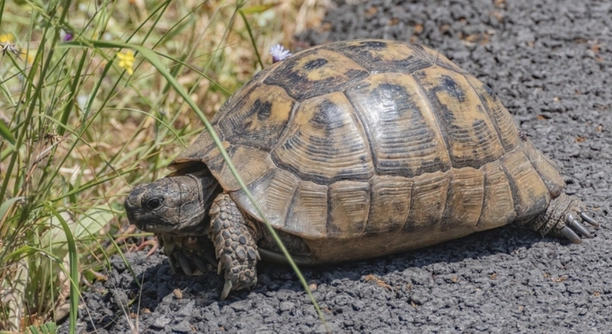
If you’ve noticed that your Greek tortoise’s shell is becoming brittle, it may be a sign of underlying issues that need attention. The condition of their shell reflects their overall health, and understanding the causes is crucial.
The brittleness of a Greek tortoise’s shell can result from several factors, including poor nutrition, dehydration, or insufficient UVB light exposure. Lack of proper care and environmental stressors can also contribute to weakened shell integrity.
Addressing these causes will help in providing the care your tortoise needs to maintain a healthy, strong shell.
Poor Diet and Lack of Essential Nutrients
A lack of proper nutrition is one of the most common reasons behind a brittle shell. Greek tortoises need a balanced diet rich in calcium and vitamin D3 to maintain strong shells. If their diet lacks these essential nutrients, their shell may begin to weaken over time. A diet mainly consisting of low-calcium foods can also lead to shell issues. Ensure that your tortoise has access to a variety of dark leafy greens, like kale and dandelion greens, and supplement their diet with calcium powder if needed.
Providing the right nutrients will prevent the shell from becoming fragile and prone to damage.
A proper diet also helps to avoid other health problems that could affect your tortoise’s overall well-being. Alongside calcium, vitamin D3 helps in the absorption of calcium, which is crucial for strong bone and shell development. Without these nutrients, the shell may lose its strength, leaving it vulnerable to cracks or deformation. To further ensure proper calcium levels, allow your tortoise to bask under UVB light, which aids in the synthesis of vitamin D3. By focusing on their nutritional needs, you are supporting the longevity and health of your tortoise.
Dehydration
Water intake plays a significant role in shell health. If your tortoise isn’t properly hydrated, it may suffer from brittle shell conditions.
Water is essential for the proper functioning of a tortoise’s body, including maintaining the flexibility and strength of its shell. When a tortoise becomes dehydrated, it can lead to shell issues like cracking or brittleness. Ensure your tortoise always has access to fresh water and provide regular baths to encourage hydration. In the wild, tortoises often find water sources in the soil, so mimicking this environment at home with water-filled shallow dishes can help encourage drinking.
Lack of UVB Light
UVB light is essential for your tortoise to produce vitamin D3, which helps in the absorption of calcium. Without proper exposure, calcium cannot be effectively utilized, leading to shell issues.
Ensure that your tortoise has access to UVB light for about 10-12 hours daily. Use a quality UVB bulb and place it within the correct distance from their basking spot. Without UVB light, even if you provide calcium supplements, your tortoise’s shell may still weaken. Regular exposure to natural sunlight can also help, but make sure to monitor the temperature and avoid direct sun exposure for long periods.
If you notice shell softness or brittleness despite a well-balanced diet, the lack of UVB light might be the cause. Even if the tortoise spends time outdoors, ensure they have access to proper UVB light, as the sun’s rays can be filtered through windows, rendering it ineffective. Adding a reliable UVB source indoors ensures that your tortoise receives consistent, necessary light to support their shell health.
Stress and Environmental Factors
Stress can contribute to your tortoise’s shell becoming brittle. Factors like overcrowding, sudden temperature changes, or noisy surroundings can negatively impact their well-being.
A calm, stable environment is crucial for your tortoise’s overall health. Ensure that their habitat has the right temperature, humidity, and adequate space. If there are sudden changes in the environment or handling, your tortoise might get stressed, leading to health issues, including brittle shells.
Additionally, improper housing can expose your tortoise to health risks. For instance, inadequate hiding spots can make them feel vulnerable, increasing stress levels. Try to create a natural, comfortable environment that encourages your tortoise to thrive. Keeping the habitat consistent in temperature and light, with minimal disturbances, helps reduce stress and supports a healthy shell.
Inadequate Shell Care
Proper shell care is vital for your tortoise’s shell health. Failing to clean or maintain their shell can contribute to damage and brittleness.
Regular cleaning of your tortoise’s shell helps prevent the buildup of dirt and bacteria. Gently wash the shell with warm water to remove debris, and avoid harsh chemicals that can cause further damage. Additionally, keeping the shell free from sharp objects or rough surfaces ensures it remains intact and strong.
Medical Conditions
Various medical conditions can lead to a weakened shell. Respiratory infections or metabolic bone disease (MBD) are two common issues that may contribute to brittle shells.
MBD, in particular, is a result of calcium deficiency and improper UVB exposure, affecting the bones and shell. Infections, if left untreated, can weaken the shell and overall health. Early detection and treatment are essential for managing these conditions and preventing further damage to your tortoise’s shell. Keep an eye out for signs of illness, such as lethargy or loss of appetite, and seek veterinary help immediately.
Overexposure to Heat
Excessive heat can dry out your tortoise’s shell, making it brittle. Too much exposure to heat sources without proper temperature regulation can cause dehydration and stress.
Avoid keeping your tortoise in an environment that is too hot for extended periods. Ensure that the basking area is warm enough, but not excessively heated, to prevent dehydration or shell issues. A proper heat gradient, with a cooler area for your tortoise to escape the warmth, is essential for its overall health.
Why is my Greek tortoise’s shell turning soft?
A soft shell in a Greek tortoise is usually a sign of metabolic bone disease (MBD), which is caused by a lack of calcium or insufficient UVB light exposure. Without the necessary nutrients and sunlight, the tortoise’s shell cannot develop or maintain its strength. To prevent this, ensure your tortoise gets a proper diet rich in calcium, vitamin D3, and regular UVB exposure. If your tortoise’s shell becomes soft, consult a vet immediately for proper treatment.
How can I fix a brittle tortoise shell?
To fix a brittle shell, you need to address the root cause. If it’s due to a calcium deficiency, increase the calcium intake through supplementation and a balanced diet. Make sure your tortoise receives adequate UVB light, as it’s essential for calcium absorption. Maintaining a consistent environment, free from stress and temperature fluctuations, is also important. Keep an eye on your tortoise’s health and consult a vet if necessary.
Can I prevent my tortoise’s shell from becoming brittle?
Yes, by providing a proper diet, ensuring regular UVB exposure, maintaining hydration, and creating a stress-free environment, you can prevent your tortoise’s shell from becoming brittle. Monitor their health regularly and ensure that their habitat conditions are optimal. A consistent routine and proactive care will help avoid shell issues.
What are the signs of a calcium deficiency in tortoises?
Signs of calcium deficiency in tortoises include soft or brittle shells, difficulty walking, lethargy, and tremors. Calcium is essential for strong bones and a healthy shell, and its deficiency can lead to deformities. If you notice these signs, adjust your tortoise’s diet to include calcium-rich foods and supplements and provide proper UVB lighting.
How much UVB light does my tortoise need?
Greek tortoises require 10-12 hours of UVB light daily. This light helps them produce vitamin D3, which is essential for calcium absorption. If you’re using artificial lighting, make sure the UVB bulb is of high quality and placed at the correct distance from your tortoise. Natural sunlight can also be beneficial, but avoid placing them directly under the sun for extended periods to prevent overheating.
What should I do if my tortoise’s shell is cracked?
If your tortoise’s shell is cracked, it’s important to assess the severity of the damage. Minor cracks can be treated by cleaning the area and applying a safe antiseptic to prevent infection. For deeper or more serious cracks, take your tortoise to a vet for professional care. Keeping the tortoise in a stress-free environment and providing a proper diet will also help in the recovery process.
Is it safe to use a calcium supplement for my tortoise?
Yes, it is safe to use calcium supplements for your tortoise, as long as you follow the recommended dosage. Too much calcium can lead to other health issues, so it’s important not to over-supplement. It’s best to provide calcium powder on their food or offer it in a cuttlebone form, which they can gnaw on.
How often should I clean my tortoise’s shell?
You should clean your tortoise’s shell once a week, or more frequently if needed, to remove dirt and waste that could cause infections. Use a soft brush and warm water, avoiding harsh chemicals that could damage their shell. Make sure to dry the shell thoroughly afterward to prevent any fungal or bacterial growth.
Can dehydration cause brittle shells in tortoises?
Yes, dehydration can cause brittle shells. When a tortoise is not getting enough water, its shell can become dry and fragile. Regular hydration is essential for maintaining a strong, healthy shell. Provide fresh water daily and consider giving your tortoise regular baths to ensure it stays hydrated.
What is the best environment for a Greek tortoise?
A Greek tortoise needs a warm, dry habitat with a temperature gradient. The basking area should be around 85-90°F, with a cooler side around 70-75°F. Ensure the enclosure has proper UVB lighting and a hiding space where your tortoise can feel secure. A mix of dry substrate, such as grass hay or soil, will also help create a natural environment.
How can I tell if my tortoise is stressed?
Stress in tortoises can show up in various ways, such as decreased appetite, lethargy, or excessive hiding. A stressed tortoise may also show signs of aggression or attempt to escape from its enclosure. To reduce stress, provide a stable environment with proper temperature, humidity, and minimal disturbances.
Why is my tortoise not eating?
A tortoise may stop eating due to stress, illness, or improper environmental conditions. Check for any signs of discomfort, such as a soft or cracked shell, or an unclean habitat. Ensure the temperature and lighting are appropriate, and try offering a variety of food to stimulate its appetite. If the issue persists, consult a vet.
Do I need to give my tortoise supplements?
Yes, most tortoises benefit from supplements, particularly calcium and vitamin D3, to ensure they are getting the right nutrients. However, supplements should not replace a balanced diet. Offering a variety of greens and vegetables along with the supplements will help maintain your tortoise’s overall health.
Can I keep my Greek tortoise with other pets?
It’s best not to house your Greek tortoise with other pets, especially aggressive ones. Tortoises are territorial and may become stressed if they share their space with other animals. Additionally, other pets may inadvertently harm your tortoise. It’s best to keep them in a separate, secure environment.
How long can a Greek tortoise live?
Greek tortoises can live for several decades, with an average lifespan of 50-70 years. To ensure they live a long and healthy life, provide proper care, a balanced diet, and a suitable environment. Regular veterinary check-ups can also help catch potential health problems early.
What is the best way to hydrate my tortoise?
The best way to hydrate your tortoise is by providing fresh water daily. You can also give your tortoise a bath in shallow warm water for 15-20 minutes. This encourages them to drink and helps keep their hydration levels stable. Make sure to dry your tortoise thoroughly afterward to avoid shell problems.
What foods are harmful to tortoises?
Some foods that are harmful to tortoises include iceberg lettuce, spinach, and high-oxalate vegetables like rhubarb, which can cause digestive issues or interfere with calcium absorption. Avoid feeding your tortoise fruits that are too sugary, as they can cause imbalances in their diet. Stick to leafy greens, grasses, and edible flowers for the best nutrition.
A brittle or soft shell in your Greek tortoise is often a sign that something is off with their care, whether it’s related to diet, environment, or health. The main factors to focus on are calcium intake, UVB light, hydration, and overall stress levels. A balanced diet that includes calcium-rich foods and supplements is essential for maintaining a healthy shell. Inadequate UVB light is another leading cause of brittle shells, as it affects the absorption of vitamin D3, which is crucial for calcium processing. Without proper calcium, the shell becomes weak and may even deform over time.
Hydration is another important aspect of your tortoise’s well-being. Dehydration can lead to brittle shells and other health problems. Providing fresh water daily and giving your tortoise regular baths to encourage hydration can help prevent these issues. The overall temperature and humidity of the environment are also key. Your Greek tortoise needs a warm, dry habitat with access to UVB light. Ensure their enclosure is properly set up to maintain these conditions, as a stressed tortoise will often display signs of shell problems. Keeping a consistent, stable environment will promote better overall health and a stronger, healthier shell.
Finally, regular veterinary check-ups are essential. If you notice signs of shell issues such as cracks, soft spots, or deformities, it’s important to consult a vet. They can provide guidance and help you address any underlying health issues. With the right care, your Greek tortoise can live a long and healthy life with a strong, sturdy shell. Understanding the causes behind a brittle shell and taking proactive measures to address them will not only improve the current condition of your tortoise but also prevent future health issues.

Hello,
If you enjoy the content that we create, please consider saying a "Thank You!" by leaving a tip.
Every little bit helps us continue crafting quality advice that supports the health, happiness, and well-being of pets around the world, for pets of all shapes, sizes, and species.
We really appreciate the kindness and support that you show us!