
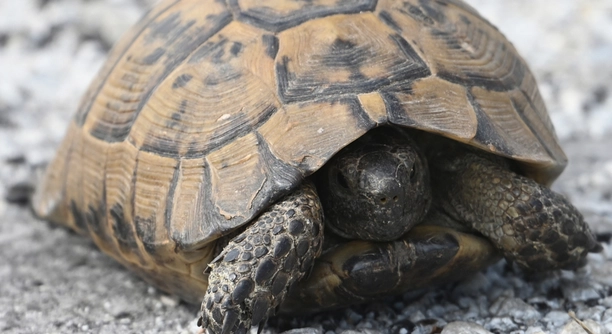
A dry and crusty nose on a Greek tortoise can be concerning, especially if you’re unsure of the cause. Understanding the reasons behind this condition is essential for your tortoise’s well-being. Let’s explore what could be happening.
Dry and crusty noses in Greek tortoises are often linked to a variety of health issues. These may include dehydration, respiratory infections, or environmental factors such as humidity imbalances. Prompt attention and proper care can help resolve the problem.
Identifying the cause is key to improving your tortoise’s health. It’s important to address any environmental or health concerns as soon as possible.
Dehydration
Dehydration is a common cause of dry and crusty noses in Greek tortoises. These reptiles need consistent access to fresh water to stay hydrated. If your tortoise isn’t drinking enough, its nose may become dry, leading to crustiness. Ensure your tortoise has a clean, shallow dish of water available at all times. It’s also important to mist your tortoise’s enclosure regularly to maintain proper humidity levels. If the humidity is too low, it can cause the nose to dry out.
If dehydration is the issue, your tortoise may also show other signs like lethargy or a lack of appetite. Keep an eye on these symptoms and adjust its habitat accordingly. Increased water intake and proper humidity can help bring your tortoise back to normal.
A proper diet, including hydrating vegetables like cucumber and lettuce, can help supplement its water intake. Make sure your tortoise has access to fresh, high-quality food that meets its nutritional needs.
Respiratory Infections
Respiratory infections can also lead to a dry and crusty nose. These infections are typically caused by bacteria or fungi that enter the respiratory system. Symptoms may include nasal discharge, wheezing, or labored breathing.
If your tortoise has a respiratory infection, it’s crucial to seek veterinary care. Left untreated, these infections can worsen, leading to more severe complications. A vet can diagnose the infection and recommend the proper treatment, such as antibiotics or antifungal medications. To prevent future respiratory issues, make sure your tortoise’s habitat is clean and properly ventilated.
Incorrect Humidity Levels
Humidity is crucial for Greek tortoises to maintain healthy skin and respiratory systems. If the humidity in the enclosure is too low, it can cause the nose to dry out and form crustiness. It’s important to keep the humidity between 40-60%.
To achieve this, use a hygrometer to monitor the levels. Misting the enclosure a few times a day can help, but ensure proper ventilation to prevent excessive moisture buildup. A humidifier or a water dish in the enclosure can also aid in maintaining consistent humidity. Make adjustments as needed to keep your tortoise comfortable.
Humidity fluctuations can stress your tortoise and make it more susceptible to infections. A stable environment helps prevent further health issues and supports its overall well-being.
Suboptimal Temperature
Temperature plays a significant role in your tortoise’s health. If the enclosure is too cold, your tortoise may have trouble regulating its body temperature. This can weaken its immune system, making it more likely to develop respiratory issues or dry skin.
Maintain a temperature gradient in the enclosure, with a basking spot around 90°F and cooler areas around 70°F. This will allow your tortoise to move to areas that suit its needs. Ensure that the temperature doesn’t drop too low at night, as a drop in temperature can stress your tortoise and cause its immune system to weaken.
A reliable heat source, like a ceramic heater or UVB light, will help keep the enclosure at the correct temperature range. This will reduce the chances of skin and respiratory problems.
Dirty Enclosure
A dirty enclosure can lead to various health problems for your tortoise, including a dry and crusty nose. Waste buildup, unclean water dishes, and stagnant food can contribute to bacterial growth. Regular cleaning of the enclosure is necessary to maintain a healthy environment.
Be sure to remove waste daily and clean water dishes regularly. Deep clean the entire enclosure weekly, replacing substrate and disinfecting surfaces. Keeping the environment clean reduces the risk of infections and promotes your tortoise’s health.
Vitamin A Deficiency
A lack of Vitamin A in your tortoise’s diet can lead to skin issues, including a dry, crusty nose. This vitamin is essential for healthy skin, vision, and immune function. Make sure your tortoise’s diet includes dark leafy greens, such as kale and collard greens, which are rich in Vitamin A.
If you suspect a deficiency, consider adjusting its diet. Consult a veterinarian to determine if supplementation is needed. Proper nutrition can help prevent other health issues and keep your tortoise’s skin in good condition. Always offer a variety of vegetables to ensure it gets the necessary nutrients.
FAQ
Why does my tortoise have a dry, crusty nose?
A dry, crusty nose in your tortoise can be caused by various factors. Dehydration, low humidity, and respiratory infections are common culprits. If the enclosure’s temperature and humidity levels are not balanced, it can affect your tortoise’s skin, leading to dryness. A lack of proper hydration can also result in dry skin and nose. It’s important to keep the habitat clean, maintain proper humidity, and offer fresh water regularly.
How can I help my tortoise stay hydrated?
Ensure your tortoise always has access to fresh, clean water in a shallow dish. You can also provide hydrating vegetables like cucumber, lettuce, and watermelon to help supplement its water intake. Misting the enclosure regularly can increase the humidity levels, which also helps your tortoise stay hydrated. If your tortoise is not drinking from the dish, gently soak it in water for about 20-30 minutes, allowing it to absorb water through its skin.
What is the ideal humidity for a Greek tortoise?
Greek tortoises need an environment with a humidity level of 40-60%. Too low humidity can lead to dry skin and respiratory problems. To maintain proper humidity, mist the enclosure daily, especially if you live in a dry climate. A hygrometer is essential to monitor humidity levels and adjust them as needed. Avoid excess moisture, as this can encourage mold or bacterial growth, leading to health issues for your tortoise.
Can I treat my tortoise’s dry nose at home?
Yes, you can treat your tortoise’s dry nose at home by adjusting its environment. Ensure the humidity is within the ideal range and the temperature is consistent. Regularly mist the enclosure and provide fresh water. If dehydration is a concern, soak your tortoise in shallow water for hydration. Additionally, check for any signs of infection, such as discharge, which would require veterinary attention.
How do I know if my tortoise has a respiratory infection?
Signs of a respiratory infection in tortoises include nasal discharge, wheezing, open-mouth breathing, or labored breathing. If you notice these symptoms along with a dry, crusty nose, it’s crucial to take your tortoise to a vet. Respiratory infections can worsen quickly, and treatment often involves antibiotics or antifungal medications prescribed by a professional.
Can low temperatures cause a dry nose in my tortoise?
Yes, low temperatures can stress your tortoise, weakening its immune system and leading to respiratory or skin issues, including a dry nose. It’s important to maintain a temperature gradient in your tortoise’s enclosure. The basking area should be around 90°F, and the cooler areas should be around 70°F. Ensure the temperature does not drop too low at night to avoid stress and potential health problems.
How can I increase humidity in my tortoise’s enclosure?
To increase humidity, you can mist the enclosure regularly, making sure not to create too much moisture that could lead to mold. Adding a shallow water dish in the enclosure can also help, as the water will naturally evaporate and raise the humidity. Another option is using a humidifier or placing a wet towel inside the enclosure. Just ensure that there is adequate ventilation to prevent excess moisture buildup.
What should I do if my tortoise is not eating?
Loss of appetite can be a sign of dehydration, illness, or stress. If your tortoise isn’t eating, first check the humidity and temperature in the enclosure. Ensure that both are within the optimal ranges. Offer fresh, hydrating vegetables like cucumber and leafy greens. If your tortoise continues to refuse food, it’s best to consult a veterinarian to rule out any underlying health issues.
How can I prevent a dry nose in my tortoise?
Preventing a dry nose involves maintaining a healthy environment. Ensure your tortoise has access to fresh water at all times and that the humidity levels are consistent. Regular cleaning of the enclosure to remove waste and disinfect surfaces is also crucial. Make sure the temperature is kept within a proper range, and feed your tortoise a balanced diet with sufficient hydration.
What can I feed my tortoise to avoid a dry nose?
To prevent dryness, feed your tortoise a variety of hydrating vegetables, such as cucumbers, watermelon, and leafy greens like kale and collard greens. These vegetables provide moisture to supplement its water intake. A balanced diet, rich in fiber and nutrients, helps your tortoise maintain healthy skin and overall well-being.
Can I use a heating pad to regulate temperature?
Yes, a heating pad can be useful in maintaining the proper temperature for your tortoise, especially in cooler environments. However, it’s important to use the heating pad carefully and make sure that the heat source doesn’t cause extreme fluctuations in temperature. Always monitor the enclosure to ensure it stays within the ideal range for your tortoise.
Should I use a UVB light for my tortoise?
Yes, UVB light is essential for your tortoise’s health. It helps them synthesize Vitamin D3, which is crucial for calcium absorption and shell health. A UVB light should be used in the basking area to ensure your tortoise receives enough exposure. Ensure the light is positioned correctly to mimic natural sunlight.
How often should I clean my tortoise’s enclosure?
You should clean your tortoise’s enclosure weekly, removing waste and replacing the substrate. Spot clean daily to remove any droppings and uneaten food. Regular cleaning helps prevent bacteria buildup and keeps your tortoise’s environment healthy. Disinfect surfaces during deep cleaning to ensure the enclosure stays germ-free and safe for your tortoise.
Is it normal for my tortoise’s nose to shed?
It’s normal for tortoises to shed skin, and this can sometimes include the nose. However, if the nose becomes excessively dry or crusty, it could indicate an underlying issue, such as dehydration or a respiratory infection. Regularly monitor your tortoise’s condition and make any necessary adjustments to its environment to maintain its health.
Final Thoughts
A dry and crusty nose in your Greek tortoise may be concerning, but it is often a sign of an environmental issue that can be easily addressed. Most causes, such as dehydration, low humidity, or inadequate diet, can be corrected by adjusting the enclosure’s conditions. Ensuring that your tortoise has access to fresh water and maintaining proper humidity levels can prevent many skin problems. It’s important to remember that these adjustments are part of responsible care and will help your tortoise live a long, healthy life.
If the dry nose persists or if you notice other symptoms like discharge, labored breathing, or loss of appetite, it is best to consult with a veterinarian. A vet will be able to rule out serious conditions like respiratory infections or vitamin deficiencies, which require more specialized care. Early detection of health issues is key to preventing further complications. Keeping a close eye on your tortoise’s behavior and appearance will help you notice any changes that could indicate a problem.
Regular cleaning, proper hydration, and a balanced diet are simple yet effective ways to ensure your tortoise stays healthy. Creating an environment that mimics its natural habitat, with the right temperature and humidity, plays a big role in its overall well-being. By staying informed and proactive, you can help your tortoise avoid many common health issues, including a dry and crusty nose. These small efforts will contribute to the happiness and longevity of your pet.

Hello,
If you enjoy the content that we create, please consider saying a "Thank You!" by leaving a tip.
Every little bit helps us continue crafting quality advice that supports the health, happiness, and well-being of pets around the world, for pets of all shapes, sizes, and species.
We really appreciate the kindness and support that you show us!