
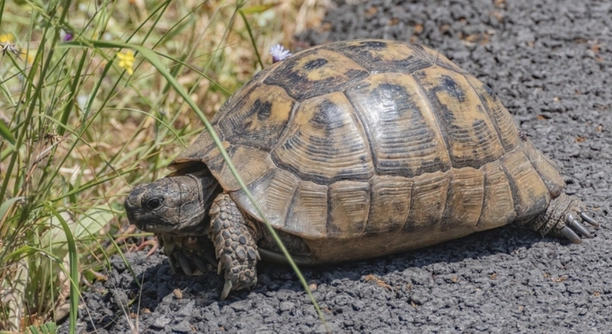
Is your Greek tortoise’s beak looking longer than usual, making it difficult for them to eat properly? Overgrown beaks are a common issue in pet tortoises and can affect their health and overall well-being if left unaddressed.
A Greek tortoise’s beak can become overgrown due to improper diet, lack of natural wear, metabolic bone disease, or underlying health issues. Without regular maintenance and proper nutrition, the beak continues to grow, leading to difficulties in eating and potential health risks.
Beak overgrowth may seem like a minor concern, but it can signal deeper problems in your tortoise’s care. Learning the causes behind this issue can help you prevent complications and keep your tortoise healthy and happy.
Lack of Natural Wear
In the wild, Greek tortoises naturally wear down their beaks by grazing on tough plants and biting into rough surfaces. Captive tortoises, however, may not have access to the same materials, leading to overgrowth. If their environment lacks abrasive surfaces like rocks or hard foods, their beak does not get worn down properly. Over time, this can make eating more difficult and cause discomfort. Providing the right conditions is essential to keeping their beak at a healthy length. Ensuring they have natural wear options can prevent unnecessary trimming and reduce stress for your tortoise.
A lack of natural wear is one of the most common reasons for an overgrown beak. Without regular grinding, the beak continues to grow, making eating harder and possibly leading to injuries.
Including a variety of rough foods and surfaces in their habitat can help maintain a healthy beak. Items like cuttlebone, hay, and rough-textured rocks can encourage natural grinding.
Improper Diet
A diet lacking in fibrous and abrasive foods can lead to an overgrown beak. Soft foods do not provide enough resistance to naturally file down the beak, causing it to grow longer than normal. Proper nutrition plays a key role in maintaining your tortoise’s overall health.
Feeding your Greek tortoise a diet rich in fibrous plants helps keep its beak at a proper length. Leafy greens like dandelion, collard greens, and hibiscus leaves provide natural resistance while promoting good digestion. Avoiding excessive soft fruits and processed foods is important, as they do not contribute to natural beak wear. Hay and fibrous stems are excellent additions to their diet, offering additional texture for grinding. Providing a varied and well-balanced diet ensures that your tortoise gets the nutrients it needs while preventing overgrowth issues.
Calcium-rich foods also support healthy beak structure. A calcium deficiency can weaken the beak, making it more prone to deformities. Offering cuttlebone or calcium supplements can help maintain strong, properly shaped beaks. In addition, ensuring they get adequate vitamin D3 through natural sunlight or UVB lighting is essential for calcium absorption. Combining a proper diet with a well-structured habitat helps keep your tortoise’s beak in good condition.
Metabolic Bone Disease
Metabolic bone disease (MBD) weakens a tortoise’s bones and beak, leading to deformities and overgrowth. A lack of calcium, vitamin D3, or proper UVB exposure can cause this condition. Without these essentials, the beak may grow unevenly or become too soft, making natural wear ineffective.
Preventing MBD requires a well-balanced diet and sufficient UVB lighting. Greek tortoises need a calcium-rich diet paired with UVB exposure to process calcium properly. Without it, their beak and bones weaken, increasing the risk of abnormalities. Regular vet check-ups can help detect early signs of MBD and prevent further complications.
Lack of Chewing Opportunities
Chewing on fibrous and coarse foods helps keep a tortoise’s beak at a healthy length. Without these, the beak may grow too long. Offering foods like tough leafy greens, hay, and fibrous stems encourages chewing and promotes natural beak maintenance.
Underlying Health Issues
Certain health conditions can affect beak growth. Infections, injuries, or genetic issues may contribute to irregular growth patterns. If a tortoise’s beak appears misshapen or continues to overgrow despite proper care, a veterinary visit is necessary to rule out any underlying medical concerns.
FAQ
What should I do if my Greek tortoise’s beak is overgrown?
If your tortoise’s beak is overgrown, it’s essential to address it promptly. You can gently trim the beak with proper tools or take it to a veterinarian for professional care. Overgrown beaks can cause feeding problems and lead to discomfort, so don’t wait too long before acting. To prevent further overgrowth, review your tortoise’s diet, habitat, and lighting conditions to ensure they have the right resources for natural wear. Regularly monitoring your tortoise’s beak is also helpful in detecting any issues early on.
Can I trim my tortoise’s beak myself?
Trimming a tortoise’s beak can be done at home if you are careful and have the right tools. Use a nail clipper or small file to carefully trim the beak, ensuring not to cut too close to the sensitive area. If you’re unsure or uncomfortable doing it yourself, it’s always best to consult a vet to avoid injuring your tortoise. Be sure to handle the tortoise gently during the process to avoid causing stress. Regularly check its beak for overgrowth to avoid the need for trimming in the future.
How often should I check my tortoise’s beak?
It’s a good idea to check your Greek tortoise’s beak at least once a month. During the check, look for any signs of overgrowth or irregularities. If you notice any changes or if your tortoise is having trouble eating, it might be time for a closer inspection. Regular checks help catch problems early and ensure that any necessary changes to diet or care are made promptly. If you notice significant overgrowth, it’s best to take your tortoise to a vet.
Is an overgrown beak painful for a tortoise?
An overgrown beak can indeed cause discomfort or pain for your tortoise. If the beak grows too long, it can make eating difficult, leading to stress and weight loss. In some cases, an overgrown beak can cause sores or damage to the mouth. If you suspect your tortoise’s beak is affecting its health, seek professional care to prevent further complications. Pain may not always be obvious, but any signs of difficulty eating or behavioral changes should be taken seriously.
How can I prevent my tortoise’s beak from overgrowing?
To prevent your tortoise’s beak from overgrowing, provide a proper diet and habitat. Ensure your tortoise has access to fibrous foods like leafy greens, hay, and rough-textured plants that naturally wear down the beak. Offering a variety of chewing surfaces, such as cuttlebone or rocks, will help as well. Additionally, maintain a proper lighting setup with UVB exposure to support calcium absorption and bone health. Regular vet check-ups will help catch any issues early, keeping your tortoise healthy and its beak in good shape.
Can diet alone fix an overgrown beak?
While a proper diet can help prevent further overgrowth, it might not be enough to fix an already overgrown beak. If the beak is excessively long or misshapen, you will likely need to trim it manually or have a veterinarian do it for you. Once trimmed, maintaining a healthy diet with fibrous foods and providing opportunities for natural wear will prevent the issue from recurring. Make sure your tortoise’s diet includes enough calcium and vitamin D3 to support overall health and proper beak maintenance.
What foods help wear down a tortoise’s beak?
Fibrous, rough-textured foods are the best for wearing down your tortoise’s beak. Leafy greens like dandelion greens, collard greens, and kale, along with edible flowers and cactus pads, provide the necessary texture for natural beak maintenance. Additionally, offering hay or high-fiber grasses helps promote chewing. Including cuttlebone or rocks in their habitat can also aid in beak wear. These foods give your tortoise something to chew on, which helps naturally file down the beak as they eat.
Can a tortoise’s beak grow back if it’s trimmed?
Yes, a tortoise’s beak can grow back if it’s trimmed. Beak growth in tortoises is continuous, so if the overgrowth is trimmed properly, it will eventually regrow to a healthier size. However, it’s crucial to follow up with a proper diet and environmental changes to prevent further overgrowth. Be sure to monitor your tortoise’s beak regularly after trimming to ensure it doesn’t grow back improperly. With the right care, a properly trimmed beak should be able to remain healthy in the long run.
Are there any signs that my tortoise has metabolic bone disease?
Signs of metabolic bone disease (MBD) in tortoises can include soft, deformed shells, difficulty moving, or a misshapen beak. You may also notice that your tortoise is eating less or showing signs of lethargy. If you suspect MBD, it’s important to seek veterinary care immediately. A blood test can confirm the condition, and the vet will guide you on how to manage it. Treatment typically involves correcting calcium and vitamin D3 deficiencies through diet and supplementation, along with proper UVB exposure. Early detection is key to preventing lasting damage.
How does UVB light help prevent overgrown beaks?
UVB light plays a critical role in calcium absorption, which is essential for bone health, including the beak. Without UVB exposure, your tortoise may not absorb enough calcium from its diet, leading to weaker bones and an increased risk of beak deformities or overgrowth. Proper UVB lighting ensures that your tortoise gets the necessary vitamin D3 to process calcium, helping to maintain a healthy beak and overall structure. Be sure your tortoise has access to UVB lighting for at least 10-12 hours per day, especially if it’s kept indoors.
Taking care of your Greek tortoise’s beak is crucial for their overall health and well-being. Overgrown beaks are a common issue but can be managed with the right care. When their beak becomes too long, it can make eating difficult and lead to other health problems. Ensuring your tortoise has a proper diet, UVB light exposure, and opportunities for natural wear can prevent many beak issues. If the beak does become overgrown, it’s important to trim it carefully or take them to a veterinarian. Addressing the issue early on will help prevent further complications and stress.
In addition to regular diet and habitat care, it’s essential to monitor your tortoise’s health and beak condition. Overgrown beaks are often a sign of an underlying issue, such as improper diet, lack of natural wear, or even metabolic bone disease. While a proper diet of fibrous plants, leafy greens, and calcium-rich foods can help, it’s important to provide natural surfaces like rocks or hay for chewing. Offering a varied diet and a proper environment encourages natural beak maintenance and overall health. A balanced routine of nutrition, exercise, and health checks can ensure your tortoise stays in good shape.
Remember, taking preventive steps will save you a lot of time and effort down the road. By making small adjustments to their diet and habitat, you can help your tortoise maintain a healthy beak. If you notice any unusual behavior or difficulty eating, be sure to address it immediately. Regular checkups and following proper care practices will help ensure that your tortoise remains happy and healthy. With the right knowledge and care, your Greek tortoise’s beak can stay in good condition, and they can continue living a healthy, active life.

Hello,
If you enjoy the content that we create, please consider saying a "Thank You!" by leaving a tip.
Every little bit helps us continue crafting quality advice that supports the health, happiness, and well-being of pets around the world, for pets of all shapes, sizes, and species.
We really appreciate the kindness and support that you show us!