
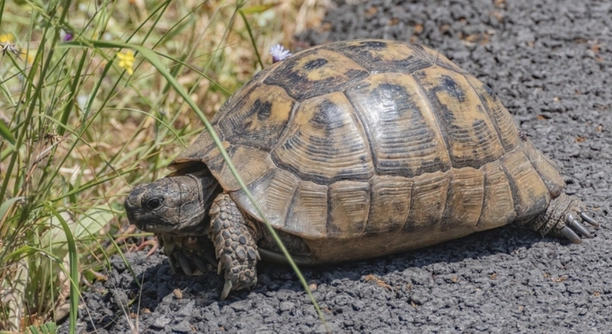
If you’ve noticed that your Greek tortoise’s beak is crooked, it can be concerning. There are several reasons why this might be happening, some of which are more serious than others. Understanding the causes is key.
A crooked beak in Greek tortoises can result from several factors, including genetics, nutritional imbalances, or injury. In some cases, poor care, improper diet, or environmental stress can contribute to the condition, requiring timely intervention.
Knowing the causes will help you address the issue effectively. Keep reading to learn more about how to care for your tortoise and prevent further complications.
Genetic Factors
In some cases, a crooked beak in Greek tortoises may be a result of genetics. This means it could be something the tortoise was born with. Genetic deformities are relatively rare but can occur in any species. When a tortoise has a crooked beak due to genetics, it may not impact its overall health unless it causes difficulty in feeding or grooming.
These genetic issues often appear early in life and are usually evident as the tortoise matures. In such cases, the beak may develop unevenly, but it does not necessarily affect the tortoise’s ability to eat, breathe, or live normally. However, a tortoise’s beak may still need monitoring, and if any issues arise, a vet can provide guidance on how to manage them.
The presence of genetic deformities is typically identified when a tortoise is still young. If the deformity worsens or causes discomfort, interventions like specialized feeding or beak trimming can help. Early intervention is crucial in managing such conditions.
Improper Diet
An improper diet is another factor that can contribute to a crooked beak. If a tortoise is not receiving the proper balance of nutrients, it can affect its growth and development. A lack of essential vitamins, particularly vitamin A and calcium, may lead to deformities in the beak.
A diet that lacks variety or is too low in the right nutrients can result in abnormal growth patterns. Greek tortoises need a diet rich in leafy greens, high-fiber vegetables, and calcium to maintain healthy bones and shells. When the diet is insufficient in these areas, the growth of the beak can be stunted or misshapen.
It’s also important to ensure that your tortoise is eating a balanced diet to maintain its overall health. Offering a range of vegetables and a calcium supplement can help prevent nutritional deficiencies. A well-balanced diet supports the development of strong bones and a properly shaped beak.
Injury or Trauma
Injury or trauma is another common reason for a crooked beak. If a tortoise gets into an accident, such as a fall or a bite, its beak could become misaligned. This type of injury may be visible shortly after the event.
When the beak is injured, it can heal in a way that causes it to grow unevenly. If left untreated, the tortoise’s beak may not align properly as it grows, which could lead to difficulty eating. In severe cases, the injury may cause infection or permanent damage. Immediate care, including a vet visit, is essential.
Beak injuries require careful monitoring. If the beak becomes deformed, veterinary intervention may be necessary to prevent further complications. A professional can help realign the beak and ensure it is able to function properly, improving the tortoise’s quality of life.
Environmental Stress
Stress from environmental factors can play a role in the development of a crooked beak. Greek tortoises are sensitive to their surroundings, and an improper habitat could affect their growth. Too much noise, overcrowding, or inadequate space may cause physical deformities.
When a tortoise is stressed, it can impact its eating habits, which may lead to poor nutrition and an imbalanced diet. Over time, environmental stress can result in abnormal growth patterns, including a crooked beak. A tortoise may also experience weakened immune responses, making it more susceptible to infections that affect its beak’s alignment.
Creating a peaceful and stimulating environment is key to your tortoise’s well-being. Ensuring enough space, hiding spots, and a consistent temperature can reduce stress. A stress-free environment allows your tortoise to eat, sleep, and grow in a healthy, balanced way.
MBD (Metabolic Bone Disease)
Metabolic Bone Disease (MBD) is a common condition in reptiles, including Greek tortoises, that can cause bone deformities like a crooked beak. This occurs when the tortoise doesn’t get enough calcium, vitamin D3, or UVB light.
Without proper calcium intake, a tortoise’s bones, including the beak, may become weak and misshapen. MBD can be prevented by providing a balanced diet with adequate calcium and exposure to UVB light. Calcium supplements can also be beneficial, especially if the tortoise’s diet lacks sufficient natural sources of the mineral.
MBD can cause more than just a crooked beak. Other symptoms include soft shells, weak limbs, and difficulty moving. If untreated, MBD can lead to serious health issues, including organ failure. Early detection and treatment are essential in managing the disease.
Infection
Infections, particularly bacterial or fungal, can lead to deformities in the beak. These infections often develop when a tortoise’s immune system is weakened or when the beak becomes damaged.
If an infection is causing the crooked beak, it can result in swelling, pus, or a change in texture. The tortoise may also experience difficulty eating due to pain or obstruction. Immediate treatment from a veterinarian is required to prevent the infection from worsening and to restore the beak’s functionality.
Veterinary care may include antibiotics or antifungal medication to treat the infection. It’s essential to follow through with the prescribed treatment to ensure the tortoise recovers fully and doesn’t suffer further complications.
FAQ
What should I do if my tortoise’s beak is crooked?
If you notice that your Greek tortoise’s beak is crooked, it’s important to assess the situation carefully. Start by examining the beak for any signs of injury or infection, such as swelling, discharge, or redness. If you find any of these symptoms, it’s best to take your tortoise to a vet for a proper diagnosis and treatment. For less severe cases, you can provide a balanced diet with the right amount of calcium and ensure that your tortoise has access to UVB light. A proper habitat with enough space and no stress will also help in promoting healthy growth.
Can a crooked beak affect my tortoise’s health?
Yes, a crooked beak can impact a tortoise’s overall health if it prevents them from eating properly. If the beak is severely misaligned, it can make it difficult for the tortoise to grab food, leading to malnutrition. A tortoise that cannot properly feed may become weak or lose weight. In more extreme cases, a crooked beak can cause discomfort and pain, potentially leading to behavioral changes, including a lack of activity. Proper care and regular check-ups with a vet are essential to ensure that the tortoise’s health doesn’t deteriorate.
How can I prevent my tortoise from developing a crooked beak?
Prevention starts with ensuring that your tortoise’s diet is balanced and nutritious. Providing enough calcium, vitamins, and UVB light helps maintain healthy bone growth and prevents deformities. Make sure to avoid stress by creating a proper habitat with enough space, warmth, and hiding spots. Regular health checks and prompt attention to any injuries will also help prevent a crooked beak from developing.
Can a crooked beak be fixed?
In some cases, a crooked beak can be fixed, but it depends on the cause. If the deformity is due to injury or trauma, a vet may be able to realign the beak or trim it to make it more functional. For beak issues caused by nutritional deficiencies or infections, the right treatment (such as supplements or antibiotics) can correct the problem. However, if the deformity is genetic, it may be permanent, and management will focus on providing the tortoise with a comfortable, healthy environment. Consult a vet to determine the best course of action.
Is it okay to leave my tortoise with a crooked beak?
While it’s not ideal to leave a tortoise with a crooked beak, many tortoises can adapt if the deformity is mild. If the crooked beak isn’t causing feeding or health issues, it may not need immediate intervention. However, if the tortoise shows signs of pain, malnutrition, or difficulty eating, you should seek veterinary assistance. Regular monitoring is key to ensure that the condition doesn’t worsen over time.
How can I help my tortoise eat with a crooked beak?
If your tortoise is having trouble eating due to a crooked beak, try providing softer foods that are easier to chew. You can also cut or crush the food into smaller, more manageable pieces. Some tortoises may benefit from hand-feeding, especially if they have difficulty grasping food. In severe cases, a vet may recommend trimming or reshaping the beak to improve feeding.
Can stress cause a tortoise’s beak to become crooked?
Yes, stress can affect a tortoise’s overall health, including its growth and development. Chronic stress caused by factors like overcrowding, poor diet, or environmental changes can weaken a tortoise’s immune system and hinder its ability to grow properly. In turn, this can lead to deformities in the beak. Creating a calm, stable environment is crucial in reducing stress and promoting healthy growth in your tortoise.
What signs should I watch for if my tortoise’s beak is crooked?
You should watch for signs of infection or difficulty eating, which may indicate that the crooked beak is causing health problems. If your tortoise is refusing food, losing weight, or having trouble picking up food, this could be a sign that the beak is misaligned. Swelling, pus, or an unusual texture on the beak may indicate an infection. These symptoms require immediate veterinary attention.
Can my tortoise’s crooked beak affect its social behavior?
A crooked beak usually doesn’t affect a tortoise’s social behavior unless it causes physical pain or difficulty eating. If a tortoise is struggling to eat, it may become less active or more reclusive. However, Greek tortoises are generally solitary animals, so social behavior is not as significant a factor as it would be for other species. If your tortoise appears more isolated or stressed, it may be due to other underlying health issues.
Should I trim my tortoise’s crooked beak?
Trimming the beak of a tortoise should only be done by a professional, such as a vet, if it is necessary. In most cases, the beak will naturally wear down through the tortoise’s feeding habits. However, if the beak is severely crooked and causing problems, a vet may recommend trimming or reshaping it. Attempting to trim the beak yourself can cause injury, so it’s best to seek professional help.
What type of food should I feed my tortoise with a crooked beak?
A tortoise with a crooked beak may have difficulty eating hard, large pieces of food. Offer softer options such as finely chopped greens, soft vegetables, and fruits. You can also mash or shred foods to make them easier to consume. Be sure to include calcium-rich foods like dandelion greens and collard greens to help maintain proper bone health. Supplements may be recommended by your vet.
How often should I take my tortoise to the vet if it has a crooked beak?
If your tortoise has a crooked beak, it’s important to schedule regular veterinary check-ups. You should take your tortoise to the vet at least once a year for a full health check-up, especially if you notice any changes in behavior, eating habits, or signs of discomfort. If the crooked beak appears to worsen, you may need more frequent visits to monitor its condition. Regular vet visits can help catch any problems early and prevent further health issues.
Final Thoughts
A crooked beak in a Greek tortoise may seem concerning, but it’s often manageable with the right care. It’s important to first determine the cause, whether it’s related to diet, injury, or genetics. In many cases, a tortoise can adapt to a crooked beak and continue to live a healthy life. However, if the misalignment causes feeding difficulties or signs of infection, it’s crucial to take action. Regular veterinary check-ups can help detect any underlying health issues early, preventing further complications. Paying close attention to your tortoise’s behavior and feeding habits will give you the best chance at identifying any potential problems.
Proper diet, adequate calcium intake, and access to UVB light are key factors in maintaining a healthy tortoise. These elements support bone health and can help prevent beak deformities from occurring in the first place. A balanced diet with a variety of greens, fruits, and vegetables will provide the necessary nutrients. Ensuring that your tortoise’s habitat is stress-free and comfortable can also help prevent growth issues, as stress can negatively impact their health. A well-maintained environment that mimics natural conditions is beneficial in keeping your tortoise in good shape.
In the end, a tortoise with a crooked beak can still live a happy, fulfilling life if managed correctly. While it may require extra attention to their diet and care, many tortoises adjust to the condition. If necessary, consult with a vet to explore treatment options or corrective measures. Being proactive and knowledgeable about your tortoise’s needs will help you provide the best care. Ensuring that they have the right nutrition, environment, and regular health check-ups is essential for a long, healthy life.

Hello,
If you enjoy the content that we create, please consider saying a "Thank You!" by leaving a tip.
Every little bit helps us continue crafting quality advice that supports the health, happiness, and well-being of pets around the world, for pets of all shapes, sizes, and species.
We really appreciate the kindness and support that you show us!