
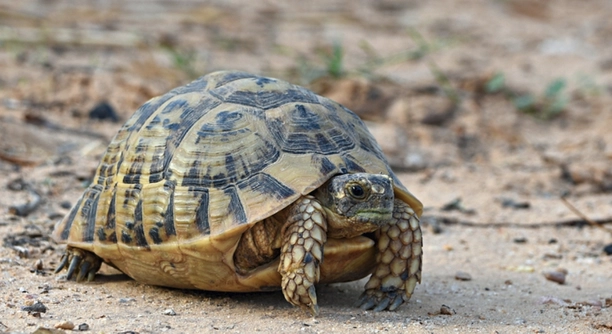
If your Greek tortoise seems unusually inactive, it could be due to several factors that affect their behavior and health. Understanding these can help address the issue effectively.
The main reasons for a Greek tortoise’s inactivity include improper temperature, insufficient lighting, stress, or health problems. Ensuring the right habitat conditions and monitoring their diet are crucial steps to support their overall well-being.
Making a few adjustments to their environment can often resolve the issue and help your tortoise regain its energy.
Temperature and Lighting Issues
One of the main reasons for a Greek tortoise being inactive is improper temperature. These tortoises thrive in warm environments, needing a basking spot of around 90°F (32°C) and a cooler area around 75°F (24°C). Without the right temperature gradient, they may become sluggish and lethargic.
Inadequate lighting also contributes to inactivity. Greek tortoises require UVB lighting to help them absorb calcium and maintain their energy levels. If their enclosure lacks proper lighting, they may show signs of low activity.
To fix this, ensure your tortoise’s habitat has both a heat source and UVB light. Adjust the temperature to meet their needs and provide them with 12-14 hours of light daily. Regularly monitor these conditions to make sure they remain stable and supportive of your tortoise’s health.
Stress and Anxiety Factors
Stress can cause inactivity in Greek tortoises. Frequent handling, sudden changes in their environment, or a noisy habitat can make them anxious. This affects their behavior, leading to a lack of movement.
To minimize stress, create a quiet, safe space for your tortoise, and avoid handling them too much. Keep their enclosure clean and consistent. A peaceful environment is key to helping your tortoise feel at ease and more active.
Health Problems
Illness or injury can lead to a lack of movement in Greek tortoises. If they are not feeling well, they will likely stay hidden or inactive. Common health issues such as respiratory infections or metabolic bone disease may not be immediately obvious.
If your tortoise shows signs of inactivity, a visit to the vet is necessary. Regular check-ups can help catch potential problems early. Look for any swelling, discharge from the nose, or irregularities in their shell. If you notice any, consult with a reptile vet right away to prevent serious conditions.
Poor nutrition can also contribute to inactivity. A lack of calcium or other essential vitamins can affect your tortoise’s energy levels. Make sure they have a balanced diet, rich in greens and supplemented with calcium. Over time, these adjustments can make a noticeable difference in their activity.
Habitat Size and Enclosure Setup
A cramped or poorly designed enclosure can contribute to inactivity. If your tortoise doesn’t have enough space to roam and explore, it will become lethargic. Ensure their enclosure is large enough for them to move around freely.
Add various hiding spots and climbing structures to encourage them to be more active. Use natural elements like rocks and logs to simulate their natural environment. This will not only help with physical activity but also provide mental stimulation, encouraging your tortoise to explore more.
If their space is too small or lacking in enrichment, they may become stressed or bored, further decreasing their activity levels. Regularly assess their environment to make sure it supports their needs.
Overfeeding or Underfeeding
Overfeeding or underfeeding can both lead to inactivity in Greek tortoises. If they are eating too much, they may become lethargic due to an overloaded digestive system. On the other hand, insufficient food can cause weakness and sluggishness.
It’s important to find a balance in their diet. Feed them a variety of greens, vegetables, and small amounts of fruit. Monitor portion sizes based on their age and size. Proper feeding ensures they have the energy needed to stay active.
Adjusting their feeding schedule can also help maintain a healthy weight. This improves their overall vitality and keeps them moving.
Hydration
Dehydration can quickly make a Greek tortoise less active. Without enough water, their metabolism slows down, and they become lethargic.
Ensure your tortoise always has access to fresh water. Mist their environment occasionally to increase humidity. Dehydration is preventable, and keeping their water supply fresh and consistent supports their activity levels.
FAQ
Why is my Greek tortoise so inactive all of a sudden?
A sudden change in activity levels can be caused by various factors. It might be due to improper temperature, insufficient lighting, stress, illness, or changes in their diet or habitat. If the inactivity is new, check their enclosure to ensure the temperature and lighting are correct. Also, examine their health for any signs of illness. If you can’t find an obvious cause, it’s best to consult with a veterinarian to rule out health issues.
Can stress cause my tortoise to be inactive?
Yes, stress can make a Greek tortoise inactive. Stress factors such as loud noises, too much handling, or sudden changes in their environment can cause them to retreat into their shell and stay inactive. To reduce stress, provide a calm and stable environment. Avoid frequent handling and ensure their enclosure is in a quiet area.
How can I make sure my tortoise is getting enough calcium?
Greek tortoises need calcium to maintain strong bones and proper metabolic function. Without adequate calcium, they can become lethargic or show signs of metabolic bone disease. To ensure they get enough calcium, offer leafy greens like dandelion, kale, and collard greens, which are rich in calcium. You can also sprinkle a calcium supplement on their food two to three times a week.
Should I feed my tortoise more to help with activity?
If your tortoise is inactive, overfeeding isn’t the solution. In fact, excessive food can lead to obesity, which can cause lethargy. Instead, focus on offering a balanced diet with the right amount of vegetables, greens, and occasional fruits. Make sure their portions are appropriate for their age and size. If they’re not eating or staying active despite a proper diet, check their health and environment.
How much space does my Greek tortoise need to stay active?
Greek tortoises need space to roam, forage, and explore. A small enclosure can lead to boredom and inactivity. A minimum enclosure size of 4 feet by 2 feet is recommended for a single tortoise, but larger is always better. Include rocks, logs, and other objects to encourage exploration and physical activity.
How do I know if my tortoise is dehydrated?
Dehydration can cause inactivity and health problems. A dehydrated tortoise may have sunken eyes, dry or wrinkled skin, and may be less active than usual. To prevent dehydration, provide fresh water daily and mist the enclosure to maintain humidity. Some tortoises enjoy soaking in shallow water, which also helps keep them hydrated.
Can my tortoise become inactive due to too much light?
Excessive light can cause stress, which can result in inactivity. It’s important to provide a proper day-night cycle with 12-14 hours of light and 10-12 hours of darkness. Too much light, especially if it’s too bright or too hot, can lead to overheating, making your tortoise less active. Ensure the lighting in their enclosure mimics natural sunlight with both heat and UVB sources.
What are the signs that my tortoise is sick?
If your tortoise is suddenly inactive, it could be a sign of illness. Look for other symptoms like swelling, discharge from the nose or eyes, changes in appetite, or difficulty moving. If any of these symptoms are present, take your tortoise to the vet for a proper diagnosis. Early detection of illness can prevent further health complications.
How often should I clean my tortoise’s enclosure?
A clean enclosure is important for both the health and activity of your tortoise. You should spot clean daily, removing uneaten food, waste, and any soiled bedding. Perform a more thorough cleaning weekly, washing the entire enclosure and replacing the bedding. Keeping the habitat clean prevents bacterial growth, which can lead to health issues that cause inactivity.
Is it normal for my tortoise to sleep a lot during winter?
Greek tortoises may naturally slow down and become less active during colder months, as they are naturally inclined to hibernate in the wild. However, they should still be provided with the proper conditions to avoid hibernation-related health problems. If your tortoise is overly inactive during winter, make sure the temperature in their enclosure stays within the proper range.
Can my tortoise get lazy from lack of exercise?
Like any other pet, a Greek tortoise needs physical activity. Without space to roam or enough environmental stimulation, they can become lazy. Provide a larger enclosure with various objects to climb, hide, and explore. Also, offering them opportunities to forage for food within their enclosure can stimulate their natural behavior and encourage them to move more.
How long should I allow my tortoise to bask each day?
Greek tortoises need to bask for 4-6 hours a day to regulate their body temperature and absorb UVB light. Without proper basking, they may become inactive due to a lack of energy. Provide a basking spot with temperatures around 90°F (32°C) to ensure they stay healthy and active.
Final Thoughts
Inactivity in Greek tortoises can stem from several factors, including improper environment, diet, and health issues. It’s essential to provide a stable, stress-free habitat with the right temperature, humidity, and lighting. Keeping their enclosure clean and providing sufficient space for movement are key elements in ensuring they remain active. If your tortoise is inactive, take a look at their daily routine and surroundings. Consider if there have been any recent changes to their diet, environment, or handling that could be affecting their behavior.
Another crucial aspect is monitoring their health. Greek tortoises can become inactive when they are sick or dehydrated. Regularly check for signs of illness, such as changes in appetite, shell abnormalities, or difficulty moving. Providing clean water and maintaining proper hydration will help prevent inactivity caused by dehydration. Additionally, avoid overfeeding, as obesity can also lead to lethargy. By offering a balanced diet and appropriate portion sizes, you can ensure your tortoise remains active and healthy. A proper balance of greens, vegetables, and occasional fruit can go a long way in supporting their overall well-being.
Lastly, if you’re unable to determine the cause of your tortoise’s inactivity or if the issue persists despite changes in their care, seeking the advice of a veterinarian is a good step. An expert can help identify underlying health concerns that may be affecting your tortoise’s energy levels. Remember, an active Greek tortoise is a healthy tortoise, and by providing them with the right care, you can help them live a long and fulfilling life. Regular observation and maintenance of their habitat and health are the best ways to ensure they stay lively and engaged.

Hello,
If you enjoy the content that we create, please consider saying a "Thank You!" by leaving a tip.
Every little bit helps us continue crafting quality advice that supports the health, happiness, and well-being of pets around the world, for pets of all shapes, sizes, and species.
We really appreciate the kindness and support that you show us!