
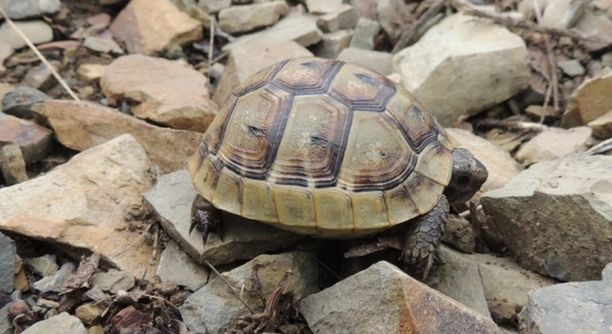
If your Greek tortoise is sleeping more than usual, it can be concerning. While it’s normal for tortoises to rest often, certain factors can lead to increased sleep. Understanding these causes will help you provide better care for your pet.
Greek tortoises typically sleep more due to environmental factors, such as temperature fluctuations, inadequate lighting, or improper humidity levels. Stress, health issues, and hibernation periods can also contribute to changes in their sleep patterns.
Identifying these causes will help you create a more comfortable environment for your tortoise. The following information will help you determine whether any changes need to be made for your pet’s well-being.
Temperature and Lighting Issues
One common reason for your Greek tortoise sleeping more is inadequate temperature and lighting. Tortoises are ectothermic, meaning they rely on external heat sources to regulate their body temperature. If their habitat is too cold, they may sleep more to conserve energy. Tortoises also need a UVB light source for proper calcium absorption and overall health. Without adequate UVB exposure, they may become lethargic or inactive. It’s important to check the temperature of their habitat regularly and ensure they have a heat source that mimics natural sunlight. A basking spot should be around 90°F (32°C), with a cooler area to allow them to regulate their body temperature.
If the lighting setup is inadequate or the temperature is too low, your tortoise may be sleeping longer than usual to compensate. A consistent day-night cycle is essential for their well-being, as disruptions can affect their sleep and activity levels.
Ensuring the right temperature and proper lighting can drastically improve your tortoise’s activity level. It’s vital to monitor these factors regularly, especially during seasonal changes. If there are inconsistencies in their habitat, it’s worth considering adjustments to their setup.
Diet and Hydration
Your tortoise’s diet can also influence how much it sleeps. A diet lacking in essential nutrients or low in fiber might make your tortoise feel sluggish. A healthy, balanced diet is critical for their energy levels. Ensure they have access to fresh, leafy greens like dandelion greens, kale, and collard greens. Additionally, supplementing their diet with a small amount of fruit and occasional protein sources is important. If your tortoise is not eating enough, it might be due to low energy or lack of interest in food, which could lead to increased sleep.
Proper hydration is just as important as diet. Dehydration can make your tortoise lethargic, causing them to sleep more. Make sure your tortoise has fresh water available at all times, and provide a shallow dish for them to soak in. Soaking helps prevent dehydration and promotes digestion, contributing to their overall health.
Taking time to monitor your tortoise’s diet and hydration ensures they are getting the right nutrients. If there are changes in eating habits or excessive sleep, it’s important to evaluate both aspects for potential improvements.
Stress Factors
Stress is another common reason for your Greek tortoise sleeping more than usual. Tortoises are sensitive to changes in their environment. If they are placed in a new habitat or experience changes in their surroundings, they may become stressed. Stress can lead to lethargy, poor appetite, and excessive sleep. Noise, unfamiliar handling, or even the presence of other animals can add to their stress levels. It’s important to create a calm and stable environment for your tortoise, free from sudden disruptions. If your tortoise is stressed, they may withdraw into their shell and sleep longer than usual.
Understanding the signs of stress can help prevent it from becoming a long-term issue. Watch for changes in behavior, such as not eating or hiding more than usual. Reducing stress can help your tortoise feel more comfortable and active.
Providing a stress-free, quiet environment can make a significant difference in your tortoise’s health. If stress is the cause of excessive sleep, creating a secure, peaceful habitat can help them regain their normal activity levels.
Hibernation
Greek tortoises have natural hibernation cycles, usually during the colder months. During this time, they tend to sleep for extended periods. If the temperature in their environment drops or if they’re kept outdoors during cooler weather, they might enter a state of hibernation, which slows their metabolism. This can make them sleep more, and they may even stop eating for weeks. Understanding your tortoise’s hibernation habits is important, as improper hibernation can be dangerous. It’s crucial to monitor temperature levels and keep their environment stable to prevent unhealthy hibernation patterns.
If your tortoise is sleeping more than usual and it’s the right season for hibernation, it’s likely part of their natural cycle. Be sure their environment is correctly regulated, with the proper temperature and humidity. You should also make sure your tortoise has a suitable place to hibernate, whether indoors or outdoors. If you’re unsure about their hibernation habits, research the specific needs of your breed.
Before your tortoise enters hibernation, ensure they are healthy. A well-fed and hydrated tortoise is less likely to have complications during hibernation. Keep an eye out for any signs of illness before allowing them to rest for an extended period.
Health Problems
Health issues are another common reason for increased sleep in tortoises. Illness can cause lethargy, loss of appetite, and more time spent resting. Respiratory infections, shell problems, or internal parasites can all contribute to your tortoise’s sleep patterns. If your tortoise is excessively sleeping, it could be a sign that something is wrong. If you notice changes in behavior, appetite, or movement, it’s a good idea to consult a vet to rule out health problems. A check-up can catch potential health issues early.
Parasites, in particular, can affect your tortoise’s digestive system, making them feel sluggish. Shell rot or other injuries may also contribute to their lethargy. Be mindful of any visible changes to your tortoise’s shell or skin. A well-balanced diet and proper care can prevent many common health issues, but regular vet visits are essential for keeping them in top condition.
Keeping track of their eating habits and any physical signs will help you detect potential problems early. If your tortoise continues to sleep excessively despite having a proper environment, health problems could be the root cause. A quick vet visit can help confirm this and set you on the path to treatment.
Overfeeding
Overfeeding can lead to lethargy in Greek tortoises. If they consume more food than necessary, they may become sluggish and sleep more than usual. An overly rich diet, especially high in proteins and fats, can cause them to feel heavy and slow. This can disrupt their regular activity levels.
A proper feeding schedule is important. Stick to a balanced diet, including leafy greens and fiber-rich plants. Avoid overfeeding and ensure they are eating appropriate portions. Too many high-fat or sugary foods can make them feel lethargic, leading to longer sleep cycles.
Environment
A messy or uncomfortable environment can cause stress, leading to more sleep. Dirty bedding, poor air quality, or cluttered spaces can make your tortoise feel unsafe, encouraging them to retreat into their shell and sleep. Ensure their living area is clean, quiet, and safe.
Your tortoise’s environment plays a big role in their comfort and sleep patterns. Regularly clean their enclosure and remove any uneaten food to prevent bacteria growth. Providing a safe, stress-free space can reduce the need for excessive sleep and improve their overall health.
Lack of Exercise
Tortoises need regular movement to stay healthy. If they aren’t getting enough exercise, they may sleep more due to inactivity. Make sure to give them ample space to roam and explore. Lack of stimulation can lead to a sedentary lifestyle, contributing to excessive rest.
FAQ
Why is my Greek tortoise sleeping so much?
There are a few possible reasons your tortoise may be sleeping more than usual. It could be related to environmental factors like temperature or lighting. Greek tortoises need a stable, warm environment to remain active. If the temperature in their enclosure drops too low, they may sleep more to conserve energy. Another factor could be health issues, such as respiratory infections or parasites, which can cause lethargy. Stress or overfeeding can also lead to more sleep. Make sure your tortoise’s habitat is properly set up and monitor their health for any signs of illness.
How can I tell if my tortoise is hibernating?
Hibernation in Greek tortoises typically occurs during the colder months. If your tortoise is sleeping a lot and eating less, especially when temperatures drop, they might be entering hibernation. This process is natural and helps them conserve energy. Look for signs such as a decrease in activity and a refusal to eat for extended periods. It’s important to ensure their environment is stable and at the right temperature during this time. If your tortoise is hibernating properly, their body temperature will drop slowly, and they will rest for several weeks. If you suspect improper hibernation, consult a vet.
Can overfeeding cause my tortoise to sleep more?
Yes, overfeeding can lead to lethargy in Greek tortoises. When they consume more food than they need, it can cause them to become sluggish. Overfeeding, especially foods high in fats and proteins, can make them feel heavy and lead to increased sleep. Ensure you are providing your tortoise with a balanced diet of leafy greens, fiber-rich plants, and occasional fruits. Avoid offering excessive amounts of food, and maintain a consistent feeding schedule. This will help prevent your tortoise from becoming overweight or inactive, which could lead to excessive sleep.
What should I do if my tortoise isn’t eating and sleeping more?
If your tortoise isn’t eating and is sleeping more, it could indicate a health problem, stress, or improper environmental conditions. First, check the temperature and lighting in their enclosure. A drop in temperature or lack of UVB light could cause them to become lethargic and lose their appetite. If the environment is correct and the issue persists, it may be a sign of illness. Respiratory infections, shell issues, or parasites can make them feel unwell and refuse food. Take your tortoise to a vet for a check-up to rule out any health issues.
How do I know if my tortoise is stressed?
Stress can cause your tortoise to sleep more than usual. Signs of stress include hiding in their shell for long periods, refusing food, and pacing in their enclosure. Stress can be caused by environmental changes, loud noises, or the presence of other animals. To reduce stress, create a calm and quiet environment for your tortoise. Keep their enclosure clean and provide plenty of space. Avoid handling them too much, especially during periods of adjustment. If stress continues, consider whether there are any changes in their environment that could be affecting them.
Can health problems cause my tortoise to sleep more?
Yes, health problems can make your tortoise sleep more. If your tortoise is experiencing an illness, such as a respiratory infection, parasites, or shell rot, they may become lethargic and sleep excessively. Symptoms to watch for include nasal discharge, difficulty breathing, loss of appetite, or changes in their shell. If you notice any of these signs, take your tortoise to a vet. Early detection and treatment are important to prevent the issue from worsening. A healthy tortoise should be active and alert, so if there’s a sudden change in behavior, it’s essential to investigate.
How do I care for my tortoise during hibernation?
Proper care during hibernation is crucial to your tortoise’s health. Make sure their environment is set up with the right temperature and humidity levels. If you plan to let your tortoise hibernate, ensure they are healthy and well-fed beforehand. They should be hydrated and have access to fresh food until they begin to slow down. Once they enter hibernation, reduce their food intake, but ensure they have a safe, quiet space to rest. Check on them periodically, but avoid disturbing them. If you’re unsure about hibernation, consult with a vet for guidance.
What can I do if my tortoise is eating less?
If your tortoise is eating less, it could be due to various factors such as stress, environmental issues, or health problems. First, ensure the temperature and lighting in their enclosure are correct. A lack of UVB light or a drop in temperature can cause them to become lethargic and lose interest in food. If their environment is stable, check for signs of illness like nasal discharge or shell issues. If your tortoise continues to refuse food, it’s important to take them to a vet to determine the cause and seek appropriate treatment.
Is it normal for a Greek tortoise to sleep a lot in the winter?
Yes, it is completely normal for a Greek tortoise to sleep more during the winter months. As ectotherms, they rely on external temperatures to regulate their body temperature, and cooler weather triggers a natural hibernation response. During this time, your tortoise may sleep for extended periods and eat less. It’s important to maintain a proper hibernation setup, ensuring they have the right temperature and humidity levels. Monitor their behavior, and if they are showing signs of distress or illness, consult a vet.
Final Thoughts
In summary, it’s important to monitor your Greek tortoise’s behavior to understand why they may be sleeping more than usual. Many factors can contribute to this, such as environmental conditions, overfeeding, stress, or even health issues. The key is to maintain a balanced environment with proper temperature and lighting. Providing a clean, quiet space with enough room for your tortoise to roam and explore will help keep them active. Regularly check on their health and diet to ensure they are receiving proper nutrition and care.
If you notice that your tortoise is sleeping more than usual, first check their habitat to ensure the temperature and humidity levels are optimal. Greek tortoises are sensitive to changes in their environment, and improper conditions can lead to lethargy. Additionally, be cautious about overfeeding. Too much food, especially high-fat or sugary items, can make them sluggish. Stick to a well-balanced diet consisting of leafy greens and occasional vegetables. If the behavior continues, it’s essential to consider other factors, such as possible illness or stress. If your tortoise shows signs of infection or discomfort, it’s best to seek veterinary advice.
Ultimately, understanding your Greek tortoise’s natural sleep patterns and habits will help you make informed decisions about their care. Regular check-ups and attention to their living conditions are essential for their well-being. Whether they are entering hibernation or simply adjusting to changes in the weather, being proactive in maintaining their environment and health can help ensure they lead a long, healthy life. By staying attentive to their needs, you’ll create a comfortable space where your tortoise can thrive.

Hello,
If you enjoy the content that we create, please consider saying a "Thank You!" by leaving a tip.
Every little bit helps us continue crafting quality advice that supports the health, happiness, and well-being of pets around the world, for pets of all shapes, sizes, and species.
We really appreciate the kindness and support that you show us!