
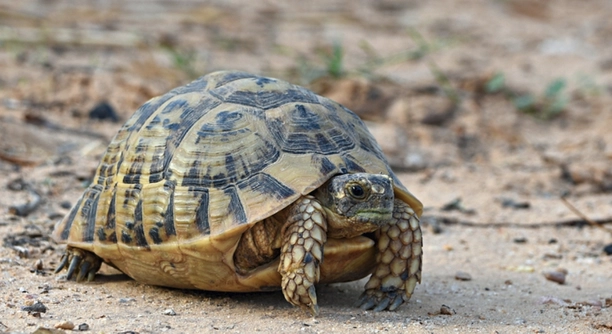
Is your Greek tortoise’s shell starting to peel, leaving you concerned about its health? Shell changes can be surprising, especially for new tortoise owners, but not all peeling is a cause for alarm.
Greek tortoise shell peeling is often a natural part of growth or shedding. However, it can also indicate health issues such as shell rot, fungal infections, or improper husbandry conditions, including poor diet, humidity imbalance, or inadequate UVB exposure.
Recognizing when peeling is normal versus problematic can help you ensure your tortoise stays healthy and comfortable.
Common Reasons for Greek Tortoise Shell Peeling
Shell peeling in Greek tortoises can happen for several reasons. Natural shedding is the most common cause, allowing the tortoise to replace old scutes as it grows. This process is typically slow, with thin layers flaking off without exposing raw tissue underneath. Environmental factors like humidity and UVB exposure also play a role. Insufficient humidity may lead to dry, flaky shells, while excessive moisture can promote bacterial or fungal infections. Poor diet lacking in essential nutrients, especially calcium and vitamin D3, can further compromise shell health. In some cases, injuries or burns from heat lamps can cause localized peeling. Monitoring habitat conditions and providing proper care can often prevent many of these issues from arising.
A healthy peel should not reveal soft spots or a foul smell. If you notice discolored patches, oozing, or softness, it may indicate an underlying infection that needs prompt attention.
Proper care and attention to your tortoise’s habitat and diet can help maintain a healthy shell and prevent abnormal peeling.
When to Worry About Shell Peeling
Not all shell peeling is harmless. If the peeling exposes soft tissue, is accompanied by a foul odor, or reveals discolored spots, it’s a sign of a more serious issue. Shell rot, often caused by bacteria or fungi, can develop in overly damp environments or after an injury. Without timely treatment, it may spread deeper, affecting the bone underneath. Fungal infections present as white, powdery patches that worsen over time, while bacterial infections may cause oozing and foul smells. Burns from heat sources can also lead to abnormal peeling.
If you notice any of these signs, consult a reptile veterinarian promptly. Delaying treatment can lead to severe health problems or permanent shell damage. A vet will assess the severity and recommend appropriate treatment, which may include antibiotics, antifungal medications, or improved husbandry. Regular cleaning of the enclosure, proper UVB lighting, and a well-balanced diet are crucial to prevent future issues and promote shell recovery.
How to Care for a Peeling Greek Tortoise
Monitor the peeling closely to determine if it’s part of natural shedding or a sign of a problem. Keep the enclosure clean, maintain proper humidity levels, and ensure your tortoise receives adequate UVB exposure. Regular baths in lukewarm water can help soften dead scutes for easier shedding.
If the peeling seems abnormal, gently clean the affected area with diluted betadine to prevent infections. Avoid peeling the scutes manually, as this can cause injury. Provide a balanced diet rich in calcium and vitamin D3 to promote shell health. Adjust the humidity to a moderate level—too dry can cause cracking, while too moist encourages infections. A proper UVB light source is essential, as it aids calcium absorption and prevents metabolic bone disease. Routine check-ups with a reptile veterinarian can help catch any underlying issues early.
Creating an environment that mimics your tortoise’s natural habitat is key. Use a substrate that retains moisture without being overly wet, such as coconut coir or soil. Make sure the basking area reaches the correct temperature, around 95°F, while the cooler side stays between 75-85°F. This temperature gradient supports overall health and proper shell growth. Offering calcium supplements and exposing your tortoise to natural sunlight (when safe) also encourages healthy shedding cycles.
Preventing Future Shell Issues
Consistent habitat maintenance is essential to prevent future peeling. Clean the enclosure regularly to eliminate harmful bacteria and replace the substrate every few weeks. Provide fresh, clean water daily to support hydration and prevent dry, flaky shells.
A proper diet is equally important. Feed your Greek tortoise a variety of leafy greens like dandelion greens, collard greens, and hibiscus leaves. Limit fruits to occasional treats, as excess sugar can lead to health issues. Calcium-rich foods and supplements should be offered regularly to strengthen the shell. Ensure that UVB lighting is replaced every six months to maintain effectiveness.
Outdoor time under natural sunlight (supervised and in a safe enclosure) can greatly benefit shell health, but always monitor temperatures to prevent overheating. Avoid placing the heat source too close to the tortoise to prevent burns. Regularly check for early signs of peeling or discoloration to catch potential problems before they worsen. Preventative care through proper nutrition, habitat management, and routine veterinary visits will help keep your Greek tortoise’s shell in top condition.
Environmental Factors That Affect Shell Health
Humidity plays a significant role in maintaining a healthy shell. Low humidity can cause dryness and cracking, while excessive moisture promotes fungal and bacterial infections. Keep humidity levels between 40-60% to support natural shedding and prevent health issues.
Proper UVB lighting is equally essential. Without it, your tortoise can develop metabolic bone disease, leading to soft, unhealthy shells. Replace UVB bulbs every six months and provide a basking area to ensure proper calcium absorption and overall shell health.
Dietary Considerations for Shell Maintenance
A balanced diet rich in calcium and essential vitamins is crucial for your tortoise’s shell health. Offer a variety of dark leafy greens, such as collard greens, mustard greens, and turnip greens, along with calcium supplements. Avoid high-oxalate foods like spinach, as they can hinder calcium absorption. Occasional calcium-rich treats like cuttlebone can further support shell strength. Providing foods high in vitamin A, such as squash and carrots (in moderation), also helps maintain healthy scutes. Ensuring proper hydration through fresh water and moisture-rich foods supports natural shedding and overall health.
When to Consult a Veterinarian
Seek veterinary care if you notice soft spots, discoloration, foul odors, or oozing from the shell. These signs indicate potential infections or injuries that require immediate attention to prevent worsening health issues. Early intervention ensures your tortoise receives the necessary treatment.
FAQ
What causes my Greek tortoise’s shell to peel?
Shell peeling is a normal process for growth and natural shedding, but it can also result from improper care. Low humidity, insufficient UVB light, poor diet, and even injury can contribute to unhealthy shell peeling. It’s important to monitor both the shedding process and the overall condition of the shell. If peeling is excessive or exposes soft tissue, it may indicate an underlying issue that requires veterinary attention.
Is it normal for my tortoise’s shell to peel in patches?
Yes, it is normal for the shell to peel in patches. As the tortoise grows, old scutes (the outer layer of the shell) naturally shed to make way for new ones. These patches can appear as uneven shedding, but this is typically harmless. However, if the peeling is accompanied by signs of infection, like a foul smell or soft spots, it’s essential to consult a veterinarian.
How do I know if my tortoise’s shell peeling is abnormal?
Abnormal shell peeling often includes signs such as discolored patches, softness, or foul odors. If you notice these symptoms, it could indicate an infection, injury, or metabolic bone disease. A healthy shell should not show any signs of softness or leaking. Abnormal peeling usually requires veterinary intervention.
What should I do if my tortoise’s shell becomes soft?
If your tortoise’s shell becomes soft, it’s a sign of potential metabolic bone disease, which is often caused by a lack of calcium or UVB exposure. Ensure your tortoise’s diet includes sufficient calcium and vitamins, and replace the UVB light bulb regularly. If the softness persists, take your tortoise to the vet for proper diagnosis and treatment.
How can I prevent shell rot in my tortoise?
To prevent shell rot, maintain proper habitat conditions, including adequate humidity and temperature. Avoid excessive moisture in the enclosure, as this can promote bacterial growth. Ensure your tortoise has access to clean water and dry areas for basking. Regular cleaning of the enclosure and providing a balanced diet will also reduce the risk of infections.
Is it okay for my tortoise to eat fruits?
Fruits can be offered to your Greek tortoise, but only in moderation. Too much sugar can cause health problems, including digestive issues and obesity. Stick to low-sugar fruits like strawberries and melons as occasional treats, while focusing on leafy greens for the majority of their diet.
How often should I change my tortoise’s substrate?
Substrate should be changed every 2-3 weeks, depending on the cleanliness of the enclosure. If it becomes wet or soiled, change it sooner to maintain a healthy living environment. Opt for a substrate like coconut coir or organic soil, which retains moisture without becoming overly damp. Regular cleaning helps reduce the risk of fungal and bacterial infections.
What are the signs of a fungal infection on my tortoise’s shell?
A fungal infection on a tortoise’s shell typically appears as white, powdery, or fuzzy patches. These patches can spread over time and may cause the shell to become soft or discolored. If you notice these symptoms, it’s important to consult a vet, as fungal infections can worsen without proper treatment.
How can I tell if my tortoise has a bacterial infection?
Bacterial infections on a tortoise’s shell often result in oozing, a foul odor, or soft, mushy spots. Infected areas may also appear red, swollen, or discolored. Prompt treatment from a veterinarian is necessary to prevent the infection from spreading deeper into the shell.
Can I treat shell issues at home?
For minor cases of peeling due to natural shedding, you can help by maintaining proper humidity and UVB exposure, and offering a balanced diet. If you suspect a bacterial or fungal infection, it’s essential to see a vet for treatment. Home remedies should only be used cautiously and under the guidance of a professional.
How long does it take for my tortoise to shed its shell?
Shedding can vary depending on the tortoise’s age, size, and overall health. Typically, it may take several weeks for a tortoise to shed a full layer of scutes. Younger tortoises tend to shed more frequently than older ones. During shedding, make sure your tortoise’s habitat is optimal for their health and shell maintenance.
How can I help my tortoise shed its shell more easily?
To help with the shedding process, maintain proper humidity levels, between 40-60%. You can also offer regular baths in lukewarm water to help soften the scutes. Avoid manually removing the old scutes, as this can cause harm. Ensure a balanced diet with sufficient calcium and vitamins to promote healthy shedding.
What should I do if my tortoise has a burn on its shell?
If your tortoise has a burn, immediately remove the source of heat and seek veterinary care. Burns can cause peeling, discoloration, and long-term damage to the shell. Treatment may include antibiotics or antifungal medications to prevent infection, and the vet may provide advice on how to promote healing.
Should I be concerned if my tortoise doesn’t shed regularly?
If your tortoise doesn’t shed regularly, it could be due to factors such as improper humidity, temperature, or diet. Lack of shedding may indicate an underlying health issue. Ensure your tortoise’s enclosure is set up correctly and provide a proper diet to encourage natural shedding. If shedding doesn’t occur after a long period, it’s a good idea to consult a vet.
Can stress cause my tortoise’s shell to peel?
Stress can contribute to shell issues, though it’s not a common direct cause of peeling. A stressed tortoise may experience changes in behavior or health, which could potentially affect its shedding cycle. Make sure your tortoise’s environment is peaceful, and that it has enough space, light, and proper care.
Final Thoughts
When it comes to caring for your Greek tortoise, shell health is a crucial part of ensuring its overall well-being. Shell peeling can be a normal process, but it’s important to pay attention to any signs of irregularities. While some peeling is natural, excessive or abnormal peeling can indicate an underlying issue, such as poor diet, lack of proper humidity, or even a bacterial or fungal infection. It’s always a good idea to monitor your tortoise’s condition and be aware of any changes in its behavior or shell appearance.
Providing a proper habitat is key to supporting your tortoise’s health. Ensure that your tortoise has access to the right UVB lighting and a humidity level that suits its needs. A well-balanced diet is equally important, with a focus on calcium and vitamins to help support a strong shell. Regular cleaning of the enclosure and offering fresh water also contributes to a healthier environment. If you are unsure about what your tortoise needs, don’t hesitate to consult a veterinarian, as they can provide guidance on specific care requirements.
Remember that some peeling is just a part of the growth process, but if you notice signs of infection or anything unusual, getting help early can make a big difference. Healthy shell care, along with attention to diet and environment, will help keep your tortoise thriving. While it can be worrying to see changes in your tortoise’s shell, the right care and prompt attention to potential issues can prevent long-term harm and improve your tortoise’s quality of life.

Hello,
If you enjoy the content that we create, please consider saying a "Thank You!" by leaving a tip.
Every little bit helps us continue crafting quality advice that supports the health, happiness, and well-being of pets around the world, for pets of all shapes, sizes, and species.
We really appreciate the kindness and support that you show us!