
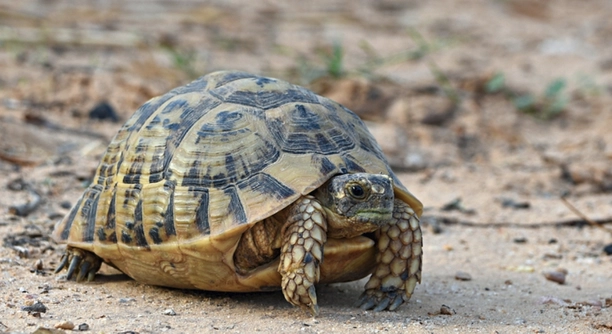
Greek tortoises are known for their slow, steady movements. However, if you notice your tortoise scraping its legs on the ground, it could be signaling an issue that needs attention. Understanding the cause is crucial.
Scraping behavior in Greek tortoises is often linked to discomfort or an environmental factor. Possible reasons include shedding problems, incorrect habitat conditions, injury, or stress. Identifying the cause can help ensure your tortoise’s well-being and comfort.
Exploring these causes will allow you to identify the underlying issue and take appropriate steps to support your tortoise’s health.
Shedding Issues
Shedding is a normal process for tortoises, but sometimes it can lead to scraping. If the shedding isn’t happening properly, your tortoise might try to rub off the skin, causing it to drag its legs on the ground. This can happen due to dehydration or humidity levels being too low in the environment. When the skin becomes stuck or too tight, it can cause discomfort. Make sure to keep the humidity level at the right range for your tortoise’s species and ensure it has access to fresh water.
Proper shedding plays a major role in the overall health of your tortoise. If you notice scraping, checking the humidity and hydration levels is a good first step. A properly hydrated tortoise should shed smoothly without causing discomfort.
If your tortoise continues to scrape even with proper humidity, it might be worth checking for stuck skin or signs of injury around the legs. Consulting with a vet could also help to rule out any deeper issues like fungal or bacterial infections.
Improper Habitat Conditions
The habitat conditions your tortoise is in play a significant role in its behavior. Incorrect temperatures or lighting can lead to stress, which might cause leg scraping. When the environment isn’t suited to its natural needs, your tortoise may try to find relief by rubbing its legs.
It’s essential to create a proper environment with the correct temperature gradient and UVB lighting. The basking area should be warm enough for your tortoise to absorb the necessary vitamins, and the cooler areas should provide a comfortable rest spot.
Stress caused by an improper habitat can also affect your tortoise’s appetite, mood, and overall health. If your tortoise is not comfortable in its environment, it might exhibit unusual behaviors like scraping its legs. By adjusting its habitat, you may see improvement.
Injury or Pain
Injury is another common reason for scraping behavior. If your tortoise has hurt its legs or feet, it may drag them to avoid putting pressure on the injured area. Injuries can occur from falls, sharp objects in the habitat, or even from rough handling.
If you suspect an injury, check for visible wounds or swelling on your tortoise’s legs. Gently inspect the area for any signs of discomfort, such as limping or abnormal movements. If the injury seems serious, consider taking your tortoise to the vet for proper care.
Even minor injuries can cause a lot of discomfort for your tortoise. If untreated, these issues can lead to infection or long-term pain. Ensuring a safe environment free from hazards can help prevent such injuries in the future.
Stress or Anxiety
Stress can trigger many unwanted behaviors, including scraping legs. A stressed tortoise might rub its limbs on the ground as a coping mechanism. Environmental changes, lack of routine, or handling can increase stress levels.
To reduce stress, maintain a consistent habitat and avoid frequent disturbances. Tortoises thrive in calm environments, so minimizing sudden changes, such as relocating or loud noises, is important. Keep handling to a minimum to allow your tortoise to adjust.
If stress is suspected, it may take time to observe improvements. Offering a stable, quiet habitat along with healthy interactions can help restore balance. However, if the scraping continues, other underlying health concerns should be considered.
Poor Diet
A poor diet can lead to scraping behavior if your tortoise isn’t getting the right nutrients. This could affect its skin and overall health. Without proper vitamins and minerals, your tortoise may try to rub off irritation or discomfort.
Ensure your tortoise is getting a balanced diet with the proper amount of calcium, fiber, and other necessary nutrients. A lack of variety or fresh foods may also affect its skin and joints. Consider adding more leafy greens and other plant-based foods to support overall health.
Parasites
Parasites such as mites or ticks can cause a tortoise to scrape its legs. These pests can irritate the skin and make your tortoise feel uncomfortable. Check your tortoise regularly for signs of parasites.
If you spot any parasites, it’s crucial to treat the issue as soon as possible. Your vet can recommend the right treatment and help restore your tortoise’s comfort. Keeping your tortoise’s habitat clean and free from pests will help prevent future infestations.
Shell Condition
A tortoise with a damaged or unhealthy shell might drag its legs in an attempt to relieve discomfort. Shell issues, whether from injury or infections, can cause significant pain and affect mobility.
If you notice abnormal growth or discoloration on the shell, it could be a sign of health problems that need attention. An unhealthy shell may be linked to improper diet, environmental stress, or infection. Regular checkups and proper care can help prevent shell-related issues and ensure your tortoise stays comfortable.
FAQ
Why is my Greek tortoise dragging its legs?
Dragging its legs could indicate several issues, including injury, stress, or skin problems. If your tortoise has hurt its legs, it might drag them to avoid putting pressure on the injured area. Scraping can also be linked to poor humidity levels or improper diet, causing irritation. Ensuring the right environmental conditions and checking for any visible wounds or signs of discomfort is key to understanding the cause.
How do I know if my tortoise is stressed?
Signs of stress in tortoises include excessive scratching, scraping, loss of appetite, or changes in behavior. Stress can result from sudden changes in their environment, frequent handling, or loud noises. To reduce stress, maintain a calm habitat and keep handling to a minimum.
Can poor diet cause scraping behavior?
Yes, a poor diet can cause scraping. If your tortoise isn’t getting enough nutrients, such as calcium or fiber, it may develop skin issues or general discomfort, leading to behaviors like scraping. Ensure your tortoise receives a balanced diet with a variety of fresh, nutrient-rich foods to avoid such problems.
How do I treat parasites on my tortoise?
Parasites like mites or ticks can cause itching and discomfort, leading to scraping. If you suspect your tortoise has parasites, inspect its skin regularly for signs. Your vet can recommend appropriate treatment to get rid of these pests and ensure your tortoise’s health.
What should I do if my tortoise has an injured leg?
If you notice your tortoise dragging its leg, check for any visible injury. Swelling, cuts, or bruising should be addressed immediately. Depending on the severity, it might require a vet visit for proper care. Keep the injured area clean and provide a safe, calm space for recovery.
How can I prevent my tortoise from scraping its legs?
To prevent scraping, maintain the right habitat conditions, such as proper humidity, temperature, and UVB lighting. Ensure your tortoise’s diet is well-balanced, and the environment is safe from hazards. Regular check-ups and observing its behavior can help you address any issues early on.
Is scraping a sign of dehydration?
Yes, dehydration can lead to improper shedding, which can cause your tortoise to scrape its legs in an attempt to remove stuck skin. Make sure your tortoise has constant access to fresh water and a humidity-controlled environment to support healthy shedding.
How do I improve my tortoise’s habitat?
Start by adjusting the temperature gradient in the enclosure to ensure your tortoise has both warm and cool areas to choose from. Keep the habitat clean and add hiding spots or areas to retreat from any disturbances. Also, monitor humidity levels and provide UVB lighting to support overall health.
Can I use a humidifier for my tortoise’s habitat?
Yes, a humidifier can help maintain the proper humidity level for your tortoise, especially in dry environments. Just make sure to monitor the humidity carefully to avoid excessive moisture, which could lead to respiratory problems. Keeping the habitat at an optimal humidity range will prevent skin issues.
What are the signs that my tortoise has a skin problem?
Signs of skin issues include excessive scratching, peeling, or patches of irritated skin. If your tortoise is scraping its legs, it may be trying to remove dead skin or relieve discomfort. Check for any abnormalities like dryness, blisters, or abnormal shedding patterns. If skin problems persist, consult a vet.
How can I tell if my tortoise’s shell is unhealthy?
An unhealthy shell can show signs of discoloration, softness, or deformities. If your tortoise’s shell is damaged or infected, it might cause discomfort, leading to scraping behavior. Regular shell checks and maintaining the proper habitat can prevent shell-related issues. If abnormalities occur, seek veterinary care.
Is it safe to handle my tortoise if it’s scraping its legs?
Handling a tortoise that is scraping its legs may cause additional stress or injury, especially if the scraping is related to discomfort. Limit handling to a minimum and create a stress-free environment. If you need to handle your tortoise, do so gently and avoid causing further irritation.
Can environmental changes affect my tortoise’s behavior?
Yes, environmental changes like moving your tortoise’s enclosure or sudden shifts in temperature or lighting can lead to stress. Stress can trigger behaviors like scraping. To minimize this, try to keep the environment consistent and avoid unnecessary changes. Introduce new elements gradually to help your tortoise adjust.
How often should I check my tortoise for health issues?
Regular health checks are important for identifying issues early. Check your tortoise’s legs, shell, and overall body condition every few weeks. Regular observation will help you catch any signs of discomfort, injury, or health problems before they become more serious.
Can a tortoise’s habitat cause scraping behavior?
Yes, a poorly maintained habitat can lead to scraping. Improper humidity, temperature, or lighting can cause discomfort, prompting your tortoise to rub its legs. Ensure that the environment is set up to mimic your tortoise’s natural habitat, with proper heat, UV light, and humidity.
Final Thoughts
If your Greek tortoise is scraping its legs, it could be due to a variety of factors. It’s important to carefully observe your tortoise and rule out possible causes such as poor diet, injury, or environmental stress. By understanding the root of the problem, you can take the necessary steps to provide the proper care and address any issues. Your tortoise’s well-being depends on a healthy habitat, a balanced diet, and regular checks for any signs of discomfort. If the behavior persists or seems to worsen, seeking advice from a veterinarian is always a good option.
Maintaining a proper living environment is one of the most effective ways to prevent scraping. This includes ensuring correct temperature, humidity, and lighting levels to support your tortoise’s health. Along with the right habitat, a varied and nutritious diet is essential to keeping your tortoise happy and comfortable. When your tortoise is well-fed and its needs are met, it will be more likely to stay active and content, reducing the chance of behaviors like scraping. Monitoring the skin and shell regularly will also help catch any issues before they become serious.
In many cases, scraping is a sign that something is off, whether it’s physical discomfort or environmental factors. The good news is that, with the right care and attention, most causes can be addressed and prevented. Pay attention to your tortoise’s behavior, diet, and habitat, and make adjustments as needed. Regular vet visits and staying informed about your tortoise’s health will go a long way in ensuring that it lives a long, healthy life. By staying proactive and informed, you can help your Greek tortoise thrive in its environment.

Hello,
If you enjoy the content that we create, please consider saying a "Thank You!" by leaving a tip.
Every little bit helps us continue crafting quality advice that supports the health, happiness, and well-being of pets around the world, for pets of all shapes, sizes, and species.
We really appreciate the kindness and support that you show us!