
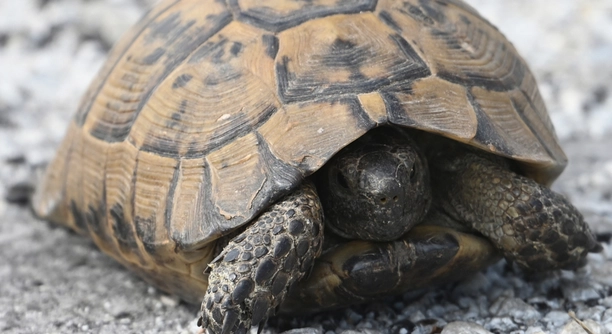
If you have a Greek tortoise and notice it rubbing its feet on rocks, you may be concerned. This behavior is not uncommon and can stem from various reasons. Understanding what might be behind it will help ensure your tortoise’s well-being.
Greek tortoises rubbing their feet on rocks can be a natural behavior linked to their need to wear down their claws, mark territory, or alleviate discomfort from parasites or poor substrate. It can also be a sign of curiosity or exercise.
There are several factors at play that could explain this behavior. Understanding them will help you address any concerns and improve your tortoise’s environment. Keep reading to discover the most common causes.
Natural Claw Maintenance
Rubbing their feet on rocks is a natural behavior for Greek tortoises. In the wild, they encounter rough surfaces that help wear down their claws and nails. Since your pet tortoise may not have access to such surfaces in captivity, it may use rocks to maintain its claws at a healthy length. This is especially important for their mobility and overall health.
Your tortoise might also be using rocks to help grind down any rough edges or prevent them from becoming overgrown, which can lead to discomfort or mobility issues.
If your tortoise has access to a variety of natural textures, it will instinctively seek out rocks, logs, or rough surfaces to satisfy this need. Regular maintenance of their claws is essential for preventing injury or infection. Providing appropriate surfaces can reduce the chances of nail-related issues. Keeping their habitat as natural as possible helps mimic their environment and encourages healthy behaviors.
Comfort and Health
Sometimes, tortoises rub their feet on rocks to ease discomfort.
If your Greek tortoise is feeling any kind of irritation, whether from mites or a minor injury, rubbing its feet against rough surfaces may provide relief. It’s a way of self-soothing and attempting to remove any unwanted sensations. Keeping a close eye on this behavior can help identify health concerns early.
If you suspect that your tortoise may be rubbing its feet due to discomfort, it’s essential to check for signs of injury, irritation, or parasites. Infections, such as fungal or bacterial issues, can also cause your tortoise to rub its feet as it tries to alleviate the pain. If you notice any swelling or unusual behavior, it’s best to consult a vet. Addressing potential health issues promptly ensures that your tortoise stays comfortable and can continue its daily activities without issue.
Exploration and Curiosity
Greek tortoises are naturally curious creatures.
Rubbing feet on rocks can be a way for your tortoise to explore its surroundings. When they are introduced to a new area or surface, they use their senses, including their feet, to understand what’s around them. Rocks often become a part of this sensory exploration.
As your tortoise explores its habitat, it may also rub its feet against rocks as a way of gathering information about the texture or potential food sources nearby. This behavior helps it feel more secure in its environment. Offering a variety of surfaces and textures in the enclosure will support this instinct and keep them active. A more enriched environment may help curb repetitive or stressful behaviors.
Stress Relief
If your tortoise feels stressed or anxious, rubbing its feet on rocks can help calm itself.
Stress is common for tortoises, especially if there are sudden changes in their environment, such as a new enclosure, different lighting, or unfamiliar noises. Rubbing against rocks could be a way of releasing built-up tension. This self-soothing behavior is not harmful and can help your tortoise feel more at ease.
Maintaining a stable environment is key to reducing stress. Ensure your tortoise has enough space, proper lighting, and a balanced temperature. Introducing safe hiding spots and varied textures in the habitat also creates a sense of security. Regular interaction with your tortoise, while respecting its space, can help build trust and reduce anxiety over time.
Territory Marking
Rubbing feet on rocks can be a way for Greek tortoises to mark their territory.
Tortoises have scent glands on their feet, and rubbing them on surfaces like rocks allows them to leave behind their scent. This behavior is a way of claiming space and signaling to others. It is a natural instinct for many reptiles.
When your tortoise rubs its feet on rocks or other surfaces, it is subtly communicating that the area is its own. This behavior is especially common during mating season or when a tortoise feels the need to protect its environment from others.
Substrate Issues
Inadequate substrate can lead to unwanted rubbing.
If your tortoise’s living environment has improper or uncomfortable bedding, it may rub its feet against rocks to alleviate the irritation. Ensuring the substrate is suitable, clean, and soft enough to prevent discomfort will help avoid this behavior.
Improper substrate can cause stress and discomfort, making it harder for your tortoise to move or even rest. A suitable bedding type like organic soil, coconut fiber, or mulch can make a huge difference in your tortoise’s comfort. Changing the substrate regularly keeps the habitat clean and inviting, reducing the urge to rub its feet.
FAQ
Why is my Greek tortoise rubbing its feet on rocks?
Rubbing its feet on rocks can be a natural behavior for a Greek tortoise. This action often helps them wear down their claws, as they would naturally do in the wild. Rocks provide a rough surface that allows them to maintain healthy claws, preventing them from growing too long and causing discomfort. The tortoise may also be exploring its environment, marking territory, or seeking relief from irritation or parasites. If the behavior seems excessive or linked to other health signs, it’s best to check for potential issues like infection or injury.
How can I tell if my tortoise’s feet are unhealthy?
You can check your tortoise’s feet by observing their overall condition. Healthy feet should be clean and free of swelling, cuts, or lesions. If your tortoise is rubbing its feet excessively or showing signs of limping, it could indicate an underlying problem, such as overgrown claws, injuries, or infections. Also, check for signs of parasites, such as redness, swelling, or unusual growths on the feet. If you notice any of these, it’s best to consult a vet to ensure your tortoise’s feet are healthy and functioning properly.
Can rubbing feet on rocks hurt my tortoise?
Generally, rubbing feet on rocks is not harmful if the rocks are not too rough or abrasive. It’s part of their natural behavior to maintain their claws and explore their environment. However, if the rocks are sharp or the behavior is excessive, it could lead to injuries or irritation. To keep your tortoise safe, ensure the rocks in their enclosure are smooth and free of sharp edges. Regularly check your tortoise’s feet to prevent any issues from developing.
What type of substrate is best for my tortoise?
A good substrate for your Greek tortoise should mimic their natural environment. Suitable options include organic soil, coconut coir, or a mixture of sand and soil. These substrates provide texture that encourages natural behaviors like digging and rubbing without causing discomfort. Avoid using cedar or pine wood shavings, as these can be harmful to reptiles. A clean, comfortable substrate will reduce the need for excessive foot rubbing and help your tortoise feel at home in its habitat.
How often should I trim my tortoise’s claws?
Claws should only be trimmed if they become overgrown or curled, as this can cause mobility issues or lead to injury. Typically, a Greek tortoise’s claws will wear down naturally through activities like walking on rough surfaces, such as rocks or gravel. If the claws are not wearing down enough, trimming them might be necessary. Always use specialized reptile nail clippers or a file to avoid injury. If you’re unsure how to trim the claws, it’s a good idea to consult a veterinarian.
Should I worry if my tortoise is rubbing its feet on rocks all the time?
If your tortoise is rubbing its feet frequently, it may be a sign that something is wrong. While occasional rubbing is normal, excessive rubbing can indicate that the substrate is uncomfortable, the claws are overgrown, or the tortoise is experiencing some form of irritation. You should check for any signs of injury, parasites, or infections. If the behavior doesn’t seem to improve or is accompanied by other symptoms, it’s wise to take your tortoise to the vet for a check-up.
Can I provide other materials for my tortoise to rub its feet on?
Yes, you can offer other materials like logs, rocks, or even ceramic tiles that have a rough texture. These can help your tortoise naturally wear down its claws and satisfy its instinct to explore. Just ensure that the materials are smooth enough to avoid injury. Regularly clean and inspect them to ensure they are safe and comfortable for your tortoise. A variety of textures in their environment will encourage natural behaviors and keep your tortoise active.
What are the signs of foot infections in Greek tortoises?
Foot infections can cause your tortoise to show signs such as swelling, redness, or discharge from the feet. You may also notice that your tortoise is limping or avoiding using one of its feet. If the claws appear discolored or if there’s a foul smell coming from the feet, these could be signs of an infection. Infections are serious and should be treated promptly, so if you suspect any issues, it’s important to take your tortoise to a vet.
Is there a way to prevent my tortoise from rubbing its feet on rocks?
While it’s hard to completely stop this behavior, you can try to limit it by providing more comfortable surfaces. Ensure that the substrate is suitable for your tortoise, offering enough texture for claw maintenance without being too rough. A spacious habitat with plenty of hiding spots, climbing surfaces, and areas to explore will allow your tortoise to fulfill its natural instincts in a healthier way. Ensuring the tortoise is well-fed and has a proper balance of heat and light also keeps them comfortable, reducing the need to rub excessively.
What else can I do to enrich my tortoise’s environment?
Enriching your tortoise’s habitat goes beyond just adding rocks. Providing plants, logs, and water features can give your tortoise more to explore and interact with. You can also vary the layout of their environment, ensuring that they have different surfaces and obstacles to climb. Adding hiding places can help your tortoise feel secure. These environmental changes not only support natural behaviors but can also reduce stress and encourage physical activity. An enriched habitat will keep your tortoise healthy and active for longer.
In conclusion, it’s important to understand that Greek tortoises rubbing their feet on rocks is a normal and natural behavior. They do this for a variety of reasons, such as wearing down their claws, exploring their surroundings, and marking their territory. It is also possible that they are rubbing to relieve discomfort from irritation or parasites. As long as this behavior doesn’t seem excessive or linked to other concerning symptoms, there is no need to worry. It’s simply part of their routine and instincts.
However, if the behavior becomes excessive or your tortoise shows signs of distress, such as swelling, injury, or difficulty walking, it’s important to take a closer look. Sometimes, an issue with the substrate, overgrown claws, or infections can lead to more frequent foot rubbing. Make sure that your tortoise has a comfortable, clean environment to help prevent unnecessary rubbing. Providing the right substrate, smooth rocks, and different textures for them to explore can support their natural behaviors while keeping them healthy. Regularly checking for signs of injury, discomfort, or parasites is key to maintaining their well-being.
By keeping your tortoise’s habitat enriched with various surfaces and textures and ensuring their health is regularly monitored, you can avoid most problems related to foot rubbing. This natural behavior is usually harmless, but understanding the causes and keeping an eye on your tortoise’s overall health will help you address any concerns as they arise. When in doubt, consulting a veterinarian can provide peace of mind and ensure that your tortoise is happy and comfortable in its environment.

Hello,
If you enjoy the content that we create, please consider saying a "Thank You!" by leaving a tip.
Every little bit helps us continue crafting quality advice that supports the health, happiness, and well-being of pets around the world, for pets of all shapes, sizes, and species.
We really appreciate the kindness and support that you show us!