
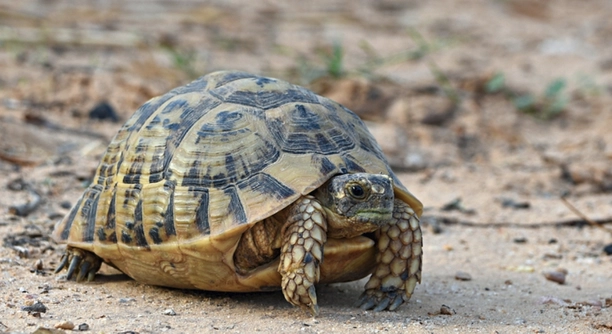
Is your Greek tortoise avoiding its hide, leaving you concerned about its well-being? A hide is essential for comfort, security, and stress reduction, so it can be worrying when your tortoise refuses to use it.
A Greek tortoise may not use its hide due to improper temperature, incorrect placement, unsuitable size, lack of familiarity, stress, illness, or personal preference. Ensuring the hide meets your tortoise’s needs is crucial for encouraging regular use.
Various factors could be influencing your tortoise’s behavior. Understanding these causes will help you create a more inviting and suitable hide for your pet’s comfort.
Improper Temperature
A Greek tortoise needs a warm and cool area to regulate its body temperature. If the hide is too cold or too hot, your tortoise may avoid it. The ideal temperature inside the hide should be around 75-85°F. A hide that is too cold can make your tortoise uncomfortable, while excessive heat may drive it away. Using a thermometer can help you monitor and adjust the temperature accordingly. Heat lamps or under-tank heaters should be positioned correctly to ensure a comfortable and stable environment. If the hide is placed in an area with extreme temperatures, your tortoise will likely seek another spot.
A well-regulated temperature will encourage your tortoise to use the hide. Make sure there is a good balance between warmth and shade to provide comfort. Observing your tortoise’s behavior will help you determine if temperature adjustments are needed.
If your tortoise prefers staying outside the hide, check if the temperature inside differs too much from its usual resting areas. Placing the hide in a stable environment, away from direct heat sources or cold drafts, can help. Testing different locations and making minor adjustments will improve your tortoise’s comfort, encouraging it to use the hide more frequently.
Incorrect Placement
A hide that is placed in an inconvenient or exposed location may be ignored by your tortoise. Tortoises prefer secluded areas that feel safe and undisturbed.
Placing the hide in a noisy or high-traffic area may discourage your tortoise from using it. If the hide is positioned in direct light, it could become too warm, making it less appealing. Ideally, the hide should be placed in a quiet corner of the enclosure, offering a balance of warmth and shade. Providing some coverage, like plants or rocks around the entrance, can make the hide feel more secure.
If your tortoise continues to avoid the hide, consider repositioning it to a more sheltered spot. Testing different locations can help you find an area that feels safe and inviting. A properly placed hide will encourage your tortoise to use it regularly, giving it a secure retreat when needed.
Unsuitable Size
A hide that is too small can make your tortoise feel cramped, while one that is too large may not provide enough security. The hide should be just big enough for your tortoise to fit inside comfortably without excess space.
A proper hide should allow your tortoise to turn around easily while still feeling enclosed. If the hide is too tight, your tortoise may struggle to enter or feel trapped. On the other hand, a hide that is too spacious may not create the cozy, protective environment your tortoise needs. Try different sizes to see what works best. A hide with low ceilings and walls close enough to touch its shell can make your tortoise feel safer. Adjusting the size of the hide can make a big difference in whether your tortoise chooses to use it.
If your tortoise continues to ignore the hide, consider testing different designs. Some tortoises prefer enclosed hides, while others like semi-open spaces. Materials also matter—wood, stone, or sturdy plastic can create a more natural feel. Experimenting with different options will help you determine the best fit. Your tortoise’s comfort depends on having a secure and well-sized hide that meets its natural instincts.
Lack of Familiarity
Tortoises take time to adjust to new additions in their enclosure. A hide that is recently introduced may be unfamiliar, making your tortoise hesitant to use it. Providing a familiar scent can help encourage exploration and use.
If your tortoise seems uninterested in the hide, try placing some used substrate inside to carry a familiar scent. This can make the hide feel less foreign and more inviting. Positioning food or treats nearby may also encourage curiosity. Some tortoises take longer to warm up to new hiding spots, so patience is key. Observing its behavior will help determine if additional encouragement is needed. Avoid moving the hide too frequently, as this can create more hesitation.
Letting your tortoise gradually explore the hide at its own pace will increase the chances of it using it. A consistent environment with minimal changes can help build trust. Once your tortoise recognizes the hide as a safe space, it will likely begin using it regularly.
Stress or Discomfort
A stressed tortoise may avoid using its hide. Loud noises, frequent handling, or changes in the enclosure can make your tortoise feel uneasy. Reducing disturbances and maintaining a stable environment can help your tortoise feel more secure and comfortable inside its hide.
Illness or discomfort can also cause a tortoise to reject its hide. If your tortoise is avoiding enclosed spaces and showing other signs of distress, such as lack of appetite or sluggish movement, a health issue could be the reason. Observing for unusual behavior and consulting a vet if needed is important.
Personal Preference
Some tortoises simply prefer resting in open spaces rather than inside a hide. While hides are beneficial, not all tortoises use them regularly. If your tortoise is healthy and active, its preference for staying outside the hide may not be a concern.
Final Thoughts
A tortoise’s hide should provide comfort and security, but sometimes adjustments are needed. Observing its behavior and making small changes can help create a space that feels safe and inviting.
FAQ
Why is my Greek tortoise sleeping outside its hide?
A Greek tortoise may sleep outside its hide if the temperature inside is uncomfortable or if it prefers an open space. Some tortoises naturally enjoy resting in warm, open areas rather than enclosed spaces. Checking the temperature and placement of the hide can help encourage use.
Should I be worried if my tortoise never uses its hide?
If your tortoise is active, eating well, and showing no signs of illness, there is usually no reason to worry. Some tortoises simply prefer open spaces. However, if your tortoise seems stressed or avoids enclosed areas suddenly, it may be worth checking for environmental or health issues.
How can I make my tortoise’s hide more inviting?
Ensuring the hide is the right size, in a quiet location, and at a comfortable temperature can make it more appealing. Adding familiar scents by placing used substrate inside can help. Providing some natural cover, like plants or rocks around the entrance, can also make the hide feel more secure.
Can a hide be too big for a Greek tortoise?
Yes, a hide that is too large may not provide the enclosed, cozy feeling that tortoises prefer. The hide should be just big enough for your tortoise to enter, turn around, and feel secure. A properly sized hide creates a safer and more comfortable space.
What materials are best for a tortoise hide?
Natural materials like wood, stone, or thick plastic work well for tortoise hides. They should be sturdy, non-toxic, and provide insulation. Avoid materials that retain excessive heat or moisture, as these can create an uncomfortable or unhealthy environment for your tortoise.
How often should I clean my tortoise’s hide?
Cleaning the hide once a week helps maintain hygiene. Remove old substrate, wipe down the interior, and ensure there is no mold or excess moisture. If your tortoise spends a lot of time inside, more frequent cleaning may be necessary to prevent bacterial buildup.
Does my tortoise need more than one hide?
Providing multiple hides can be beneficial, especially in larger enclosures. One hide can be placed in a warmer area and another in a cooler spot, allowing your tortoise to regulate its temperature while feeling secure. Having options can make your tortoise more comfortable.
Why does my tortoise only use its hide sometimes?
Tortoises adjust their behavior based on temperature, lighting, and personal comfort. Your tortoise may use the hide more often when it needs warmth, shade, or rest. If conditions change, such as seasonal temperature shifts, its hide usage may vary.
Can stress cause my tortoise to avoid its hide?
Yes, stress from handling, noise, or changes in the enclosure can cause a tortoise to avoid its hide. Keeping the environment stable and minimizing disturbances can help. If stress is ongoing, identifying and removing possible triggers is important for your tortoise’s well-being.
Will my tortoise eventually start using its hide?
Some tortoises take time to adjust to a new hide, while others may never use it regularly. If the hide is properly placed and comfortable, your tortoise may begin using it over time. Observing its habits and making small adjustments can help.
Final Thoughts
A Greek tortoise’s hide is an important part of its enclosure, providing security, warmth, and a place to rest. If your tortoise is not using its hide, there are several factors to consider, including temperature, placement, size, and personal preference. Small adjustments can make a big difference in whether your tortoise chooses to use it. Monitoring your tortoise’s behavior and testing different setups can help create a more comfortable space. A hide should feel safe and inviting, giving your tortoise an option for shelter whenever needed.
Not all tortoises use their hide regularly, and that is not always a cause for concern. Some prefer resting in open spaces or under natural cover instead of enclosed hides. As long as your tortoise is eating well, active, and showing no signs of illness, occasional hide avoidance is not necessarily a problem. However, sudden changes in behavior, such as completely avoiding the hide after using it before, could indicate discomfort, stress, or health issues. Checking for environmental changes or possible illness can help identify any underlying problems.
Creating the right environment for your tortoise takes patience and observation. Ensuring proper heat, humidity, and enclosure setup will encourage natural behaviors, including the use of a hide. Every tortoise has its own habits and preferences, so it is important to adapt to its needs rather than force it to use a hide. A comfortable and stress-free enclosure will allow your tortoise to feel safe, whether inside a hide or in another preferred resting spot.

Hello,
If you enjoy the content that we create, please consider saying a "Thank You!" by leaving a tip.
Every little bit helps us continue crafting quality advice that supports the health, happiness, and well-being of pets around the world, for pets of all shapes, sizes, and species.
We really appreciate the kindness and support that you show us!