
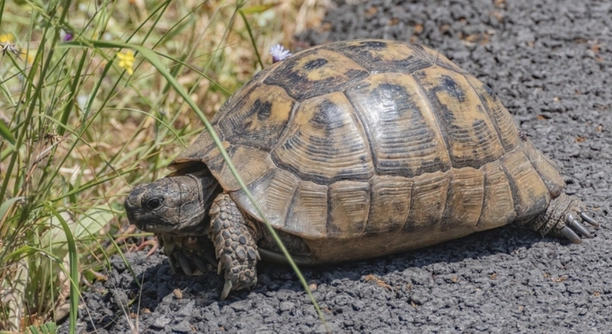
Is your Greek tortoise not moving as it usually does? Tortoises can be slow-moving creatures, but there are times when their inactivity might signal something more serious or just a minor issue.
There are several potential reasons why your Greek tortoise may not be moving. It could be due to improper temperature, insufficient light, stress, or even hibernation. Identifying the underlying cause requires close observation and understanding of your tortoise’s behavior and environment.
Understanding these causes can help you address the issue effectively and ensure your tortoise stays healthy and active.
1. Improper Temperature and Lighting
One of the main reasons your Greek tortoise may not be moving is improper temperature and lighting. Greek tortoises are cold-blooded animals, meaning they rely on their environment to regulate body temperature. If their enclosure is too cold or lacks proper lighting, they may become sluggish or even stop moving altogether. Tortoises need a warm basking area with a temperature range of 85-90°F (29-32°C) during the day and a cooler area around 70-75°F (21-24°C) at night. A UVB light is also crucial for their health, as it helps them absorb calcium and stay active. If these conditions are not met, your tortoise may become inactive as it struggles to maintain its body temperature.
Make sure to monitor the temperature closely and ensure that the lighting mimics a natural day-night cycle. This will help keep your tortoise’s environment stable and supportive of its activity levels.
Regularly checking the setup and adjusting accordingly can prevent long-term health issues. A proper temperature and light setup is essential to keep your tortoise moving freely and healthy.
2. Stress and Environment Changes
Your Greek tortoise may become inactive due to stress from environmental changes.
Any sudden shifts in their living space, such as moving their enclosure or introducing new animals, can make them anxious and less active. Stress can also arise from a lack of hiding spots, loud noises, or overhandling. This stress causes them to withdraw and stay still.
To reduce stress, try to keep their environment consistent. Avoid sudden changes, ensure they have hiding spaces, and minimize noise. The more comfortable your tortoise feels in its environment, the more likely it will be to stay active. Keep handling to a minimum and allow your tortoise time to adjust to its surroundings.
3. Illness or Injury
An injury or illness could make your Greek tortoise inactive. Tortoises are good at hiding pain, so it’s not always obvious when they’re unwell. If your tortoise isn’t moving, check for signs like swollen limbs, open wounds, or unusual lethargy. Respiratory infections, parasites, or digestive problems can also cause them to become inactive.
If you notice any of these symptoms, it’s crucial to take your tortoise to a vet specializing in reptiles. Timely treatment can make a significant difference in recovery. Even small changes in behavior can indicate health problems, so don’t ignore them.
Regular check-ups are essential in preventing health issues from affecting your tortoise’s activity. Being proactive with care can help your tortoise live a long, active life.
4. Hibernation or Brumation
Greek tortoises naturally enter a state of hibernation, also known as brumation, during colder months. This is a normal behavior where they slow down and become less active. If your tortoise is in the process of hibernating, it may stop moving altogether. This typically happens in winter when the temperature drops.
While brumation can last for several weeks or months, it’s important to ensure that your tortoise is healthy before entering this state. If brumation occurs outside of the typical winter period or for extended periods, it may indicate a health issue. Always monitor your tortoise’s behavior closely during this time.
5. Poor Diet
A poor diet can cause your Greek tortoise to become sluggish. Tortoises need a balanced diet of leafy greens, vegetables, and occasional fruits to stay healthy. If your tortoise is not getting the proper nutrition, it may not have enough energy to be active.
Make sure to feed your tortoise a variety of appropriate foods. Over time, a lack of proper nutrition can lead to digestive issues, weakness, and inactivity. A well-rounded diet will help maintain your tortoise’s health and encourage movement.
Consult a reptile expert if you’re unsure about the right food choices. Proper feeding is essential to their well-being.
6. Overcrowded Habitat
An overcrowded habitat can restrict your Greek tortoise’s movement. If there are too many objects or other animals in their enclosure, it may be difficult for them to move around freely.
To keep your tortoise active, ensure they have enough space to explore and roam. Reducing overcrowding will create a more comfortable environment and allow your tortoise to stay active and engaged. Keep the enclosure clean and ensure there’s enough room for your tortoise to move around without obstacles.
Proper habitat design is key to your tortoise’s physical and mental health.
7. Age-Related Inactivity
As your Greek tortoise ages, its activity level may naturally decrease. Older tortoises tend to move less, but that doesn’t mean they are necessarily unwell. Age-related slowing is common, and tortoises may not be as quick or active as they were in their youth.
If you have an older tortoise, it’s important to monitor its overall health. While reduced movement is expected, any sudden changes should still be evaluated by a vet. Even elderly tortoises need proper care to maintain their health and well-being.
FAQ
Why is my Greek tortoise not moving at all?
If your Greek tortoise isn’t moving at all, it could be a sign of several issues. Temperature and lighting conditions may be inadequate, causing your tortoise to slow down. It might also be entering a state of hibernation, or it could be unwell due to an illness or injury. Stress from environmental changes or overcrowded habitats can also lead to inactivity. Check your tortoise’s environment, diet, and overall health. If the problem persists, a vet visit is advised.
How can I tell if my tortoise is stressed?
Stress in tortoises can show in various ways, such as lack of movement, hiding more often, or trying to escape its enclosure. Other signs include not eating or drinking, biting or scratching at its surroundings, or becoming more defensive when handled. If these behaviors are noticed, it’s important to evaluate the tortoise’s living conditions, such as temperature, humidity, and whether the environment is too crowded or noisy. Reducing stress factors will help improve your tortoise’s activity level.
Is it normal for a Greek tortoise to be inactive sometimes?
It is normal for a Greek tortoise to be inactive, especially during colder months. They tend to slow down when temperatures drop, entering a state similar to brumation. If your tortoise is not moving but still seems healthy, it may just be resting or conserving energy. However, if this inactivity lasts for an extended period or occurs outside the typical seasonal changes, it’s important to check for other potential issues, such as illness or injury.
Can Greek tortoises get too cold and stop moving?
Yes, Greek tortoises can stop moving if they are too cold. Being cold-blooded, they rely on their environment to regulate their body temperature. If their enclosure is too cold, they may become lethargic or stop moving altogether. Ensure that their enclosure has a warm basking spot with temperatures between 85-90°F (29-32°C), along with a cooler area for them to retreat to at night. Maintaining proper temperature and lighting conditions will prevent inactivity caused by cold stress.
How do I know if my tortoise is hibernating?
Hibernation, or brumation, is a natural behavior for Greek tortoises during the winter months. If your tortoise is less active, eating less, and seems to be sleeping more than usual, it might be entering this state. During brumation, tortoises will usually seek out a cool, dark place to rest. This is a natural and healthy process, but it’s important to ensure that the temperature isn’t too low, as this can cause health issues. Keep track of your tortoise’s behavior, and if you’re unsure, consult a vet.
Should I be worried if my tortoise isn’t eating?
If your Greek tortoise is not eating, it could be a sign of stress, illness, or improper environmental conditions. It could also indicate a problem with its diet, such as unappealing food or a lack of proper nutrition. Ensure that your tortoise is provided with a variety of appropriate foods, such as leafy greens, vegetables, and occasional fruits. If your tortoise continues to refuse food for more than a couple of days or shows signs of illness, a vet visit is recommended to rule out any underlying health issues.
How do I care for an older Greek tortoise?
Older Greek tortoises may naturally slow down, but they still require proper care. Ensure that their habitat is spacious and easy for them to navigate. Provide a balanced diet that supports their aging needs, with a focus on calcium and vitamins. Monitor their weight, activity, and overall health regularly. As tortoises age, they may develop mobility issues, so make sure the enclosure is easily accessible for them. Older tortoises are also more prone to certain health problems, so regular vet check-ups are essential.
Can a tortoise be too active?
While it’s less common for tortoises to be overly active, they can become restless if they are not given enough stimulation or space. An under-stimulated tortoise might roam excessively or try to escape its enclosure. If your tortoise seems to be moving more than usual, ensure that the habitat is well-suited to its needs, with space to explore and appropriate environmental conditions. It’s also important to provide enrichment, such as safe plants to nibble on, to keep your tortoise mentally engaged.
What are the best foods to feed my Greek tortoise to keep it active?
Feeding your Greek tortoise a balanced diet is crucial for its health and activity level. They should primarily eat a variety of leafy greens, such as dandelion greens, collard greens, and kale. Other safe vegetables like zucchini, bell peppers, and squash can be included. Occasional fruits, such as berries and melon, are a good treat. Avoid feeding them too many sugary or high-fat foods, and ensure they have access to calcium-rich foods, like calcium powder or cuttlebone, to maintain strong bones and support overall health.
What should I do if my tortoise is not moving and looks sick?
If your Greek tortoise is not moving and appears sick, it’s essential to check for signs of illness. Look for symptoms such as a runny nose, swollen eyes, changes in the shell, or abnormal waste. If your tortoise is lethargic and not eating or drinking, it could be suffering from a respiratory infection, parasites, or other health issues. In these cases, it’s best to take your tortoise to a reptile vet as soon as possible for a diagnosis and treatment plan.
Can my tortoise get too hot and stop moving?
Yes, if the environment gets too hot, your Greek tortoise may become stressed and stop moving. Tortoises require a specific temperature range, with a basking area between 85-90°F (29-32°C). If temperatures exceed this range, your tortoise may try to retreat to cooler spots and become lethargic. Ensure that the enclosure has areas with varying temperatures, allowing your tortoise to regulate its body heat. Avoid overheating, as it can cause dehydration or heat stress.
Final Thoughts
Understanding why your Greek tortoise isn’t moving can be a challenging but necessary step in ensuring its well-being. There are various factors that could contribute to a lack of movement, ranging from temperature issues to stress or illness. Regularly checking the environment for proper temperature, humidity, and lighting is essential in keeping your tortoise active and healthy. Sometimes, the reason for inactivity is simple, like brumation during colder months. Other times, it may be due to a more serious health concern that requires a veterinarian’s attention.
The key to resolving inactivity is careful observation and maintaining a stable environment. If your tortoise is simply slowing down due to seasonal changes, you can rest assured that this is a natural process. However, if inactivity is persistent and occurs outside of typical brumation periods, it may signal an underlying issue. In such cases, seek professional help to avoid any long-term harm. A veterinarian can provide guidance on diet, health checks, and care tips, ensuring that your tortoise gets the best possible care.
Ultimately, the health and activity level of your Greek tortoise are closely linked to its environment and care. By providing proper diet, temperature, and a stress-free environment, you can help prevent most causes of inactivity. Remember, each tortoise is unique, and its behavior can vary from day to day. Being proactive and attentive to its needs will help ensure your tortoise remains active and happy for years to come.

Hello,
If you enjoy the content that we create, please consider saying a "Thank You!" by leaving a tip.
Every little bit helps us continue crafting quality advice that supports the health, happiness, and well-being of pets around the world, for pets of all shapes, sizes, and species.
We really appreciate the kindness and support that you show us!