
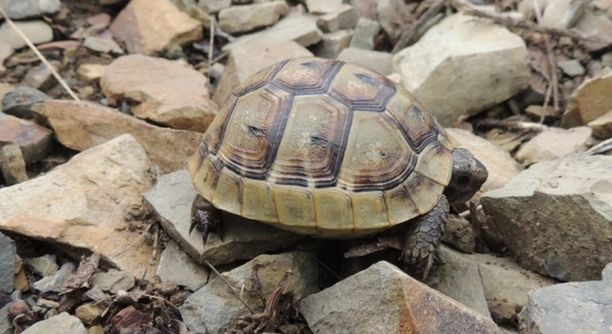
Greek tortoises are known for their beautiful scutes, but sometimes they may begin losing them. This can be worrying for pet owners. It’s important to understand why this happens and how you can address it to help your tortoise stay healthy.
The loss of scutes in a Greek tortoise can result from several factors. Nutritional imbalances, dehydration, improper humidity levels, and stress can contribute to scute shedding. Poor care, infection, or age-related changes can also cause scute loss, affecting their overall well-being.
Addressing the causes will guide you toward better care for your tortoise. We’ll go through the factors involved and ways you can help your pet recover.
Nutritional Imbalances
A poor diet is one of the most common reasons why Greek tortoises may lose scutes. These reptiles require a specific balance of calcium, protein, and other nutrients to maintain healthy growth and shell development. Without the right nutrients, their shells can become brittle, leading to scute loss. A diet low in calcium or high in phosphorus can also cause scutes to shed prematurely. Inadequate vitamin D3 intake can impair calcium absorption, further weakening the shell. It’s crucial to provide a balanced diet that includes leafy greens, vegetables, and occasional fruits while avoiding too much protein or high-oxalate foods.
A proper diet can prevent nutritional deficiencies and support shell health. If you are unsure about your tortoise’s nutritional needs, it’s worth consulting a veterinarian or reptile expert to ensure a well-rounded feeding plan.
Regularly supplementing with calcium powder and offering UVB light can help promote proper calcium metabolism. Without these additions, your tortoise may struggle to absorb necessary nutrients, causing shell issues, including scute loss.
Dehydration
Dehydration can lead to a variety of health issues in your Greek tortoise, including scute loss. If your tortoise isn’t drinking enough water or is exposed to low humidity, the shedding of scutes can occur. It’s essential to provide a consistent water source, whether through a shallow dish or a gentle misting of their environment.
Water plays an essential role in shell health. When dehydrated, tortoises can become more susceptible to scute shedding, as their bodies prioritize vital functions over maintaining the shell. Adjusting the humidity levels in their enclosure can also help prevent dehydration and the associated scute issues.
Improper Humidity
Humidity levels play a big role in maintaining a healthy shell. If the humidity is too low in your tortoise’s enclosure, it can cause their scutes to become dry and brittle, leading to shedding. On the other hand, excessive humidity can lead to shell rot, which can also cause scutes to fall off.
Maintaining a proper humidity level is vital for your tortoise’s shell health. Ideal humidity levels range from 40% to 60%, and you can achieve this by misting their environment or placing water dishes inside the enclosure. A hygrometer can help you monitor humidity accurately, ensuring that your tortoise thrives in a balanced climate.
The right humidity will keep your tortoise’s scutes intact and promote healthy growth. If the environment is too dry, their skin and shell can suffer. On the flip side, excess moisture may cause fungal growth or shell infections. Striking the right balance is key to avoiding these issues.
Stress
Stress is another major factor in scute shedding. Your tortoise may be experiencing stress due to environmental changes, noise, or improper handling. A stressed tortoise may shed scutes as part of its reaction to discomfort or fear. This can also lead to other health problems, including a weakened immune system.
Environmental factors like sudden temperature changes, overcrowding, or too much interaction can increase stress levels. Keeping their habitat calm and stable is essential for reducing stress. Allow your tortoise plenty of space and time to relax, and avoid unnecessary handling that could make them feel threatened.
By keeping your tortoise’s environment quiet and secure, you’ll help prevent stress-related scute shedding. Regularly monitor their living space for factors that could cause stress. Your tortoise needs a peaceful, controlled space to thrive, and stress reduction will help prevent scute loss.
Infection
Infections, whether bacterial or fungal, can cause scutes to detach. If your tortoise’s shell shows signs of discoloration, softness, or foul smell, it might be infected. Poor hygiene, damp conditions, and untreated wounds are common causes of infections. Prompt treatment is crucial.
Infections, especially fungal ones, can thrive in humid and damp environments, so cleaning your tortoise’s habitat regularly is essential. If you notice any signs of infection, it’s best to consult a veterinarian immediately for appropriate treatment. Ignoring an infection can lead to more severe health issues, including further scute loss or shell rot.
Age-Related Changes
As tortoises grow older, they naturally shed their scutes in a process known as “ecdysis.” This is normal and part of their life cycle. Over time, old scutes fall off to make way for new ones. However, age can also affect shell health.
Older tortoises may face slower growth or weaker shells, making them more prone to scute loss. Providing extra care, such as more frequent calcium supplementation and a carefully maintained habitat, will help ensure they remain healthy as they age. Regular checkups with a vet are also important.
Improper Handling
Handling your tortoise too much or in an improper way can cause stress and scute shedding. When lifting your tortoise, always support its body gently. Avoid grabbing or putting pressure on its shell, as this can damage the scutes or cause them to detach.
Too much physical handling can also result in stress, which, as mentioned earlier, can contribute to scute loss. Keep your tortoise’s handling to a minimum, and always focus on creating a safe, stable environment where they can feel comfortable. This will minimize the chances of scute loss due to improper handling.
FAQ
Why is my tortoise losing scutes?
There are several reasons your tortoise might be losing scutes. Poor diet, dehydration, stress, or improper humidity are common causes. Sometimes, infections or age-related changes can also lead to shedding scutes. Regular checkups and proper care can help prevent these issues and promote shell health.
Can scute shedding be prevented?
While some shedding, like during ecdysis (normal shedding process), is natural, you can reduce the risk of excessive shedding by providing a balanced diet, maintaining proper humidity levels, and minimizing stress. Regular care, such as hydration and preventing infections, can also help keep scutes intact.
How can I tell if my tortoise is shedding scutes naturally?
Natural shedding is typically gradual and happens as older scutes fall off to make way for new ones. The shell will not show signs of infection, such as discoloration or softness. If the scutes are coming off evenly and without distress to the tortoise, it’s likely a natural process.
What should I feed my Greek tortoise to prevent scute loss?
A diet rich in calcium, fiber, and vitamins is essential. Leafy greens like dandelion, collard greens, and kale should be the main components of their diet. Avoid high-protein foods and fruits, as they can imbalance the calcium-phosphorus ratio and contribute to shell issues. You can also supplement with calcium powder.
How can I tell if my tortoise’s shell is infected?
Signs of infection include a foul smell, soft or mushy patches on the shell, or discoloration. If the scutes appear to be peeling or coming off abnormally, and there is visible damage to the shell, infection may be present. A vet visit is necessary to confirm an infection.
What is the best humidity level for my Greek tortoise?
A humidity level between 40% and 60% is ideal for Greek tortoises. Too much humidity can cause fungal growth and shell rot, while too little can lead to dehydration and brittle scutes. Monitor humidity using a hygrometer and adjust as needed to maintain this range.
How can I provide proper humidity in my tortoise’s enclosure?
To maintain proper humidity, mist your tortoise’s enclosure regularly, especially in dry climates. Adding a shallow water dish can also help raise humidity. If needed, you can use a humidifier. Just be sure to monitor humidity levels frequently to avoid excess moisture, which can lead to shell rot.
How can I reduce stress for my Greek tortoise?
To reduce stress, keep your tortoise’s environment calm and quiet. Avoid excessive handling, as this can cause anxiety. Provide a spacious enclosure with plenty of hiding spots and secure access to food and water. Consistent temperatures and proper lighting are also key to a stress-free habitat.
Can stress cause permanent scute damage?
While stress can contribute to temporary scute shedding, prolonged or frequent stress might lead to more serious shell health problems, including weakened scutes or shell deformities. It’s essential to keep your tortoise in a stable environment to prevent ongoing stress that could affect its long-term health.
How often should I check my tortoise’s shell for scute loss?
It’s a good practice to check your tortoise’s shell regularly, ideally once a week. Look for any signs of scute loss, discoloration, or softness. Early detection of issues allows you to address problems quickly before they worsen. Pay attention to changes in behavior, like lethargy, as well.
What can I do if my tortoise has lost a lot of scutes?
If your tortoise is losing many scutes, it’s important to address potential causes like poor diet, dehydration, or infections. Ensure its environment is ideal, including proper humidity and temperature levels. If scutes continue to fall off or signs of infection appear, consult a veterinarian immediately.
Is it normal for a tortoise to lose scutes as they get older?
Yes, older tortoises naturally shed scutes as part of their growth cycle. As they mature, older scutes fall off to allow new, stronger scutes to grow. This process is normal and usually does not indicate any health problems unless the scutes come off abnormally or excessively.
Can I help my tortoise grow new scutes?
While you can’t directly “grow” new scutes for your tortoise, you can help ensure healthy scute development by providing a nutritious diet, proper hydration, and a stress-free environment. Maintaining optimal temperature and humidity conditions will support the overall growth of the shell and scutes.
What’s the best way to handle my tortoise to avoid scute damage?
Always support your tortoise gently by placing one hand under its body and the other supporting its back. Avoid pressing down on its shell, as this can cause scute damage or even fractures. Limit handling to reduce stress, which can also contribute to scute loss.
Final Thoughts
Caring for a Greek tortoise requires attention to its overall well-being, including its shell. Scute loss can be a sign of a variety of factors, ranging from natural processes like aging to potential health issues. Regular monitoring of your tortoise’s shell and health can help you spot any problems early. By providing a proper diet, maintaining the right humidity, and minimizing stress, you can reduce the risk of scute loss and ensure your tortoise stays healthy.
If you notice your tortoise losing scutes, it’s important to assess its environment and lifestyle. Ensure that your tortoise is not exposed to high humidity, poor diet, or handling that could cause stress. Keeping its enclosure clean and comfortable will go a long way in maintaining its health. If there are signs of infection or significant scute loss, seeking a veterinarian’s advice is always the best course of action. Timely intervention can prevent further damage to the shell and help keep your tortoise happy and healthy.
Ultimately, understanding the causes behind scute loss in Greek tortoises helps you provide the best care possible. Whether it’s due to natural shedding, improper care, or underlying health concerns, being proactive is key. Keep your tortoise’s habitat well-maintained, offer a balanced diet, and avoid over-handling to ensure a long and healthy life for your pet.

Hello,
If you enjoy the content that we create, please consider saying a "Thank You!" by leaving a tip.
Every little bit helps us continue crafting quality advice that supports the health, happiness, and well-being of pets around the world, for pets of all shapes, sizes, and species.
We really appreciate the kindness and support that you show us!