
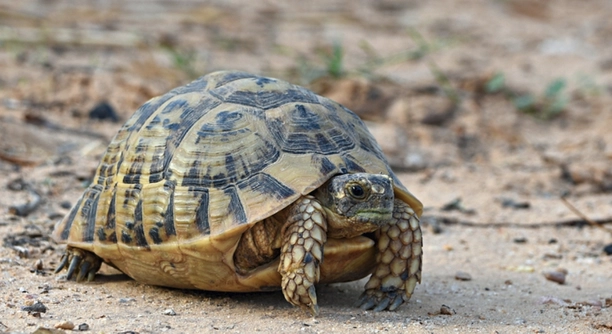
Greek tortoises are wonderful pets, but their care requires attention to detail. One issue that may cause concern is when they start losing scales, which can be a sign of health problems or improper care.
The loss of scales in a Greek tortoise can be attributed to several causes, including shedding due to natural growth, humidity imbalances, poor diet, or skin infections. Proper care, including maintaining correct temperature and humidity levels, is essential to prevent this issue.
Identifying the root cause of your tortoise’s scale loss is important. In the following sections, we will explore the top causes and how to address them to keep your pet healthy and happy.
Natural Shedding Process
Greek tortoises, like many reptiles, shed their skin and scales as part of their natural growth process. As they get older, they may shed their old skin to make room for new, healthier scales. This shedding typically happens in small patches rather than large chunks, and it’s usually not a cause for concern. The scales that fall off during this process are often replaced quickly, and this helps keep your tortoise’s shell and skin in good condition. If you notice a few scales coming off, it’s often a sign that your tortoise is simply growing.
This shedding can also depend on the seasons. During warmer months, your tortoise may shed more due to increased activity and growth.
Keep an eye on the process to make sure your tortoise isn’t losing more scales than usual or showing other signs of distress. If shedding seems excessive or irregular, it’s a good idea to look into the other possible causes of scale loss.
Humidity Imbalance
Humidity is another factor that can contribute to scale loss. Greek tortoises need specific humidity levels to stay healthy. Too much or too little humidity can affect their skin and shells. If your pet is kept in a dry environment, the skin can become flaky and cracked, causing scales to fall off. On the other hand, excessive humidity can lead to fungal or bacterial infections that also result in scale loss.
Maintaining the right humidity level in your tortoise’s enclosure can make a big difference in preventing skin issues. The ideal range for Greek tortoises is between 50% and 70%. You can achieve this by spraying the enclosure lightly with water and ensuring proper ventilation to avoid damp conditions. Be sure to monitor the humidity using a hygrometer, a simple tool that measures moisture in the air. If the humidity levels are too high or too low, adjust accordingly to keep your tortoise comfortable.
Poor Diet
A poor diet can affect your tortoise’s health and lead to scale loss. If your Greek tortoise isn’t getting the right balance of nutrients, it can weaken its skin and shell. A lack of calcium, for instance, can cause problems with shell growth and scale shedding.
To avoid this, make sure your tortoise’s diet includes a variety of leafy greens, high-fiber plants, and occasional protein sources. Avoid offering too many fruits, as they are high in sugar and can upset your tortoise’s digestion. Providing a calcium supplement is also recommended to help maintain strong, healthy scales.
Regularly offering a balanced diet is one of the best ways to ensure your tortoise’s overall health, including its skin and shell. If the scales are falling off because of nutritional imbalances, adjusting their diet can make a big difference.
Skin Infections
Skin infections are another possible reason for scale loss. Bacterial or fungal infections can cause patches of skin to become inflamed, leading to scales falling off. These infections can develop if your tortoise’s enclosure is too damp, too dirty, or if it gets injured.
If you notice that the scales are coming off in areas with redness or swelling, this could be a sign of an infection. It’s important to act quickly, as untreated infections can lead to more serious health problems. Cleaning your tortoise’s habitat regularly and ensuring it’s free from excess moisture will help reduce the risk of infection.
If you suspect an infection, consult a vet to get the right treatment. Early intervention can help your tortoise heal quickly and prevent long-term damage to its skin.
Mites and Parasites
Mites and other parasites can cause scale loss in Greek tortoises. These tiny pests feed on the skin, causing irritation and damage. This can lead to the scales falling off, especially in the areas where the mites are present.
To prevent this, regularly check your tortoise for signs of parasites, such as small dark spots or irritated skin. If mites are found, a vet can recommend appropriate treatments to get rid of them. Keeping the enclosure clean will also help reduce the chances of a mite infestation.
Injury or Trauma
Injuries from rough handling or accidental falls can damage your tortoise’s scales, causing them to fall off. These injuries might not always be obvious, but they can lead to patches of missing scales.
If you notice any swelling, bruising, or abnormal behavior, it’s a good idea to check your tortoise for injuries. If there is an injury, clean the area gently and monitor it for signs of infection. In some cases, the injury may require professional attention to prevent further damage.
FAQ
Why is my Greek tortoise losing scales around its head?
Scales falling off around the head could be due to a variety of factors, including natural shedding or irritation from external sources. It’s important to monitor for other signs of illness or injury, such as redness or swelling. If it’s just shedding, the scales should eventually be replaced, but if there’s swelling, an infection might be present, requiring veterinary attention.
Can humidity levels affect my tortoise’s scales?
Yes, humidity levels are crucial in maintaining your tortoise’s health. If the humidity is too low, the skin may dry out and cause scales to crack and fall off. Conversely, if the humidity is too high, it can create an environment that encourages fungal or bacterial growth, leading to infections and scale loss.
How often should I change my tortoise’s bedding to prevent scale loss?
Changing your tortoise’s bedding regularly is essential to prevent skin infections and other health issues. If the bedding becomes damp, soiled, or moldy, it can lead to scale loss and irritation. Generally, changing bedding every 1-2 weeks is a good practice, but it should be more frequent if it gets dirty quickly.
What signs indicate an infection on my tortoise’s skin?
Signs of a skin infection include redness, swelling, pus, or sores. The scales may also appear patchy or discolored. If you see these signs, it’s best to take your tortoise to the vet for proper diagnosis and treatment. Infection can worsen quickly, so early intervention is key.
How do I properly clean my Greek tortoise’s shell?
Cleaning your tortoise’s shell is important to remove dirt and debris that can cause skin irritation. Use a soft brush and lukewarm water to gently scrub the shell. Avoid using harsh chemicals, as they can damage the shell or irritate the skin. Make sure the shell is completely dry before putting your tortoise back into its enclosure.
Is it normal for my tortoise to shed its skin regularly?
Yes, it’s normal for tortoises to shed their skin as they grow. However, the shedding process should be gradual and not overly excessive. If large patches of skin are coming off at once, it could indicate a problem such as an infection, injury, or humidity imbalance.
Can stress cause scale loss in Greek tortoises?
Stress can indeed lead to health problems, including scale loss. Tortoises can get stressed from improper handling, changes in their environment, or an overcrowded enclosure. Stress weakens the immune system and can make the tortoise more susceptible to infections, which may result in the loss of scales.
How can I prevent scale loss in my Greek tortoise?
Maintaining a balanced diet, proper humidity, and temperature levels is key to preventing scale loss. Ensure your tortoise has access to fresh, high-quality food, and keep its enclosure clean and well-maintained. Avoid unnecessary stress by handling it gently and providing a safe and comfortable environment.
Is it okay to handle my tortoise if it is losing scales?
While occasional handling won’t necessarily harm your tortoise, excessive handling or rough treatment could cause further stress or injury. If your tortoise is losing scales due to infection or injury, it’s best to minimize handling and consult a vet to ensure it’s healing properly.
How do I know if my tortoise’s scale loss is from an infection or natural shedding?
Infection-related scale loss is often accompanied by swelling, redness, or pus. If there’s no such irritation, and the scales are coming off in small, even patches, it could be natural shedding. However, if you’re unsure, it’s always best to consult a vet for proper evaluation.
What are the best supplements for a Greek tortoise’s skin and shell health?
Calcium and vitamin D3 are essential for maintaining strong skin and shells. Calcium helps in shell formation and repairs, while vitamin D3 aids in calcium absorption. These supplements can be given in powdered form, sprinkled on your tortoise’s food a few times a week.
Can changes in the weather cause my tortoise to lose scales?
Yes, extreme temperature or humidity changes can stress your tortoise’s body, leading to health issues such as scale loss. If there’s a sudden drop or rise in temperature, or if humidity levels fluctuate, it can disrupt your tortoise’s natural shedding process or make it more vulnerable to infections.
Is it safe to use topical creams for skin issues on my tortoise?
Topical creams should only be used if recommended by a veterinarian. Many creams designed for humans or other animals can be harmful to tortoises. If your tortoise has a skin issue or infection, always consult a vet for the best course of treatment.
Taking care of a Greek tortoise can be an incredibly rewarding experience, but it does come with challenges. One of the more worrying issues that tortoise owners might face is scale loss. It can happen for a variety of reasons, such as natural shedding, humidity imbalances, poor diet, infections, or even stress. While some scale loss is normal and not a cause for concern, it’s essential to be aware of the signs that could indicate a bigger problem. Monitoring your tortoise’s behavior and environment can go a long way in ensuring its health and well-being.
A major factor in keeping your tortoise healthy is maintaining the right conditions in its enclosure. Temperature and humidity play a significant role in preventing skin issues, including scale loss. If the humidity is too low, it can cause the tortoise’s skin to dry out, leading to cracked scales. Too much humidity, on the other hand, can create a breeding ground for bacteria and fungi, which may cause infections. Keeping the enclosure clean and making sure your tortoise has access to proper light and warmth will help avoid many of the common causes of scale loss.
Lastly, diet and handling should never be overlooked. A well-balanced diet that includes the right nutrients, like calcium and fiber, is essential for maintaining a healthy shell and skin. Offering fresh greens, and avoiding too many sugary foods, will support your tortoise’s overall health. Additionally, stress from improper handling or changes in environment can weaken its immune system, making it more vulnerable to infections and other health problems. Regular check-ups with a veterinarian are also a good idea to catch any underlying health issues early. Proper care, along with attention to diet, enclosure conditions, and stress management, will go a long way in ensuring that your tortoise remains happy and healthy for years to come.

Hello,
If you enjoy the content that we create, please consider saying a "Thank You!" by leaving a tip.
Every little bit helps us continue crafting quality advice that supports the health, happiness, and well-being of pets around the world, for pets of all shapes, sizes, and species.
We really appreciate the kindness and support that you show us!